
Quy trình sản xuất cáp điện sử dụng hạt PVC
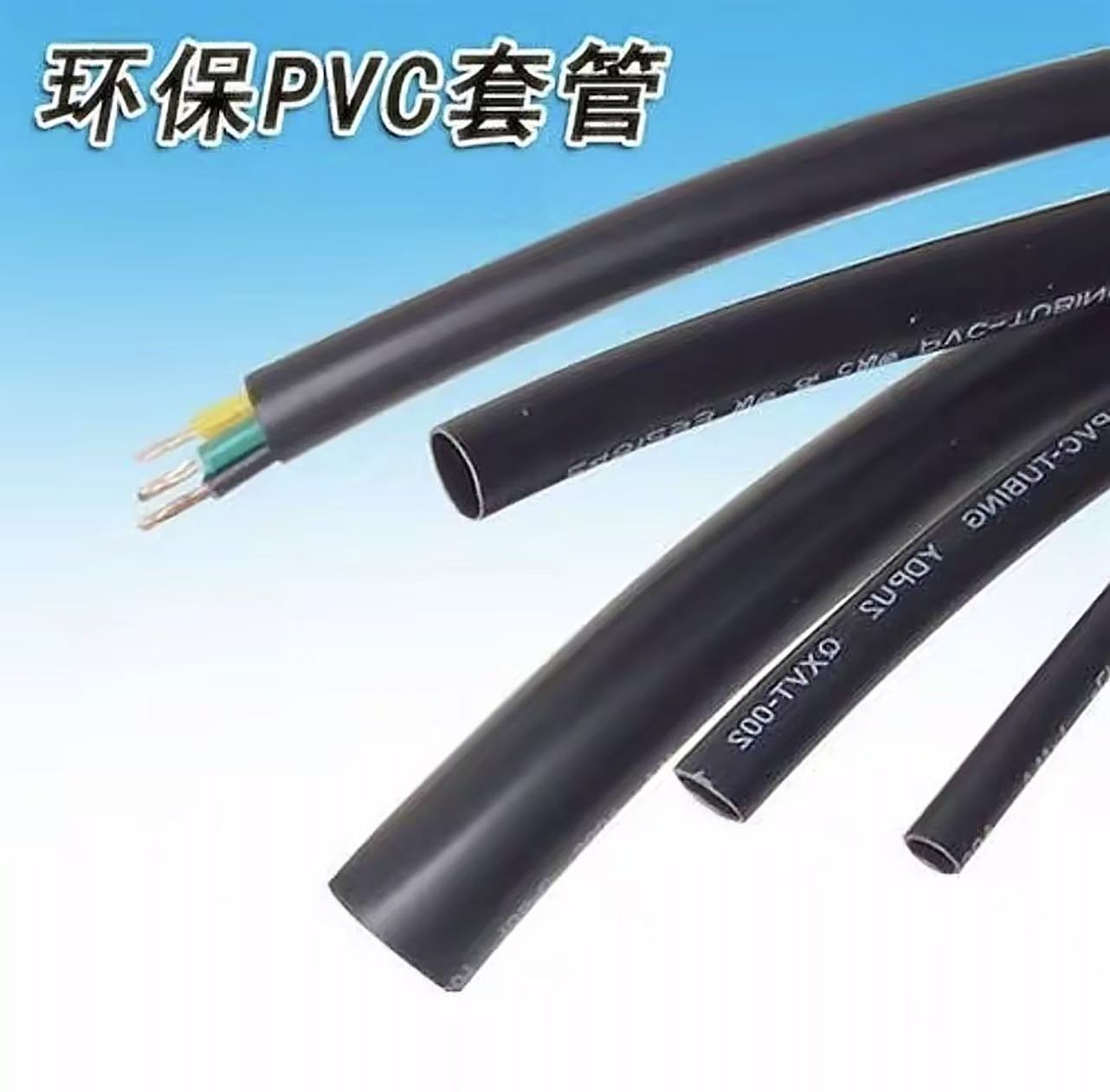
Việc sản xuất cáp điện có lớp cách điện hoặc vỏ bọc bằng PVC thường bao gồm các bước sau tám bước chính:
1. Chuẩn bị nguyên liệu
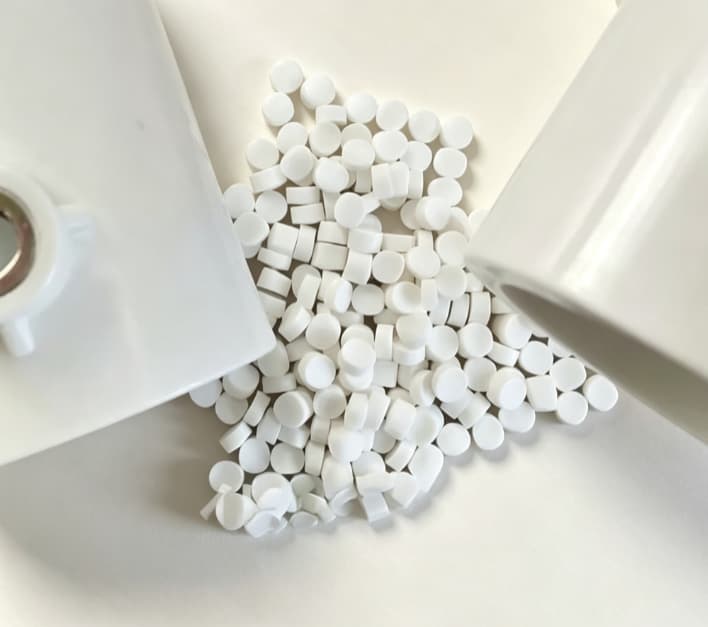
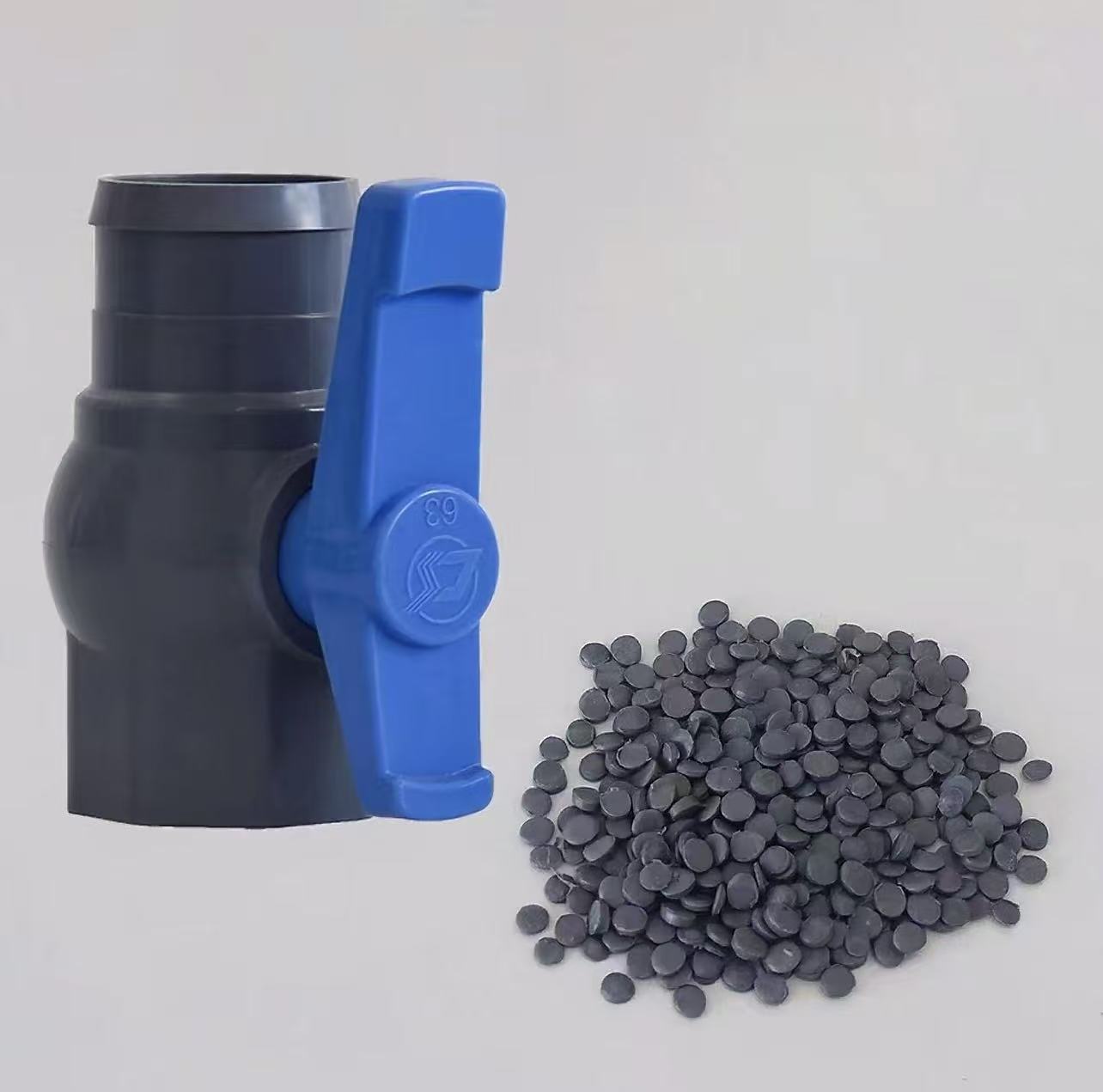
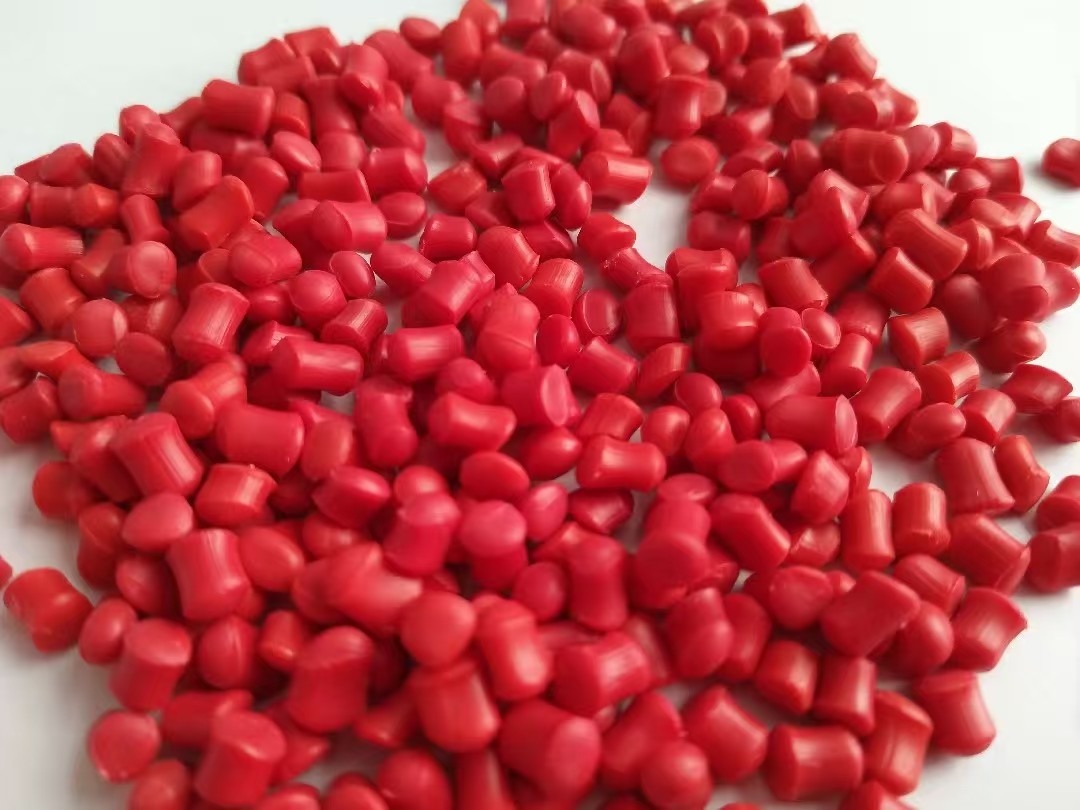
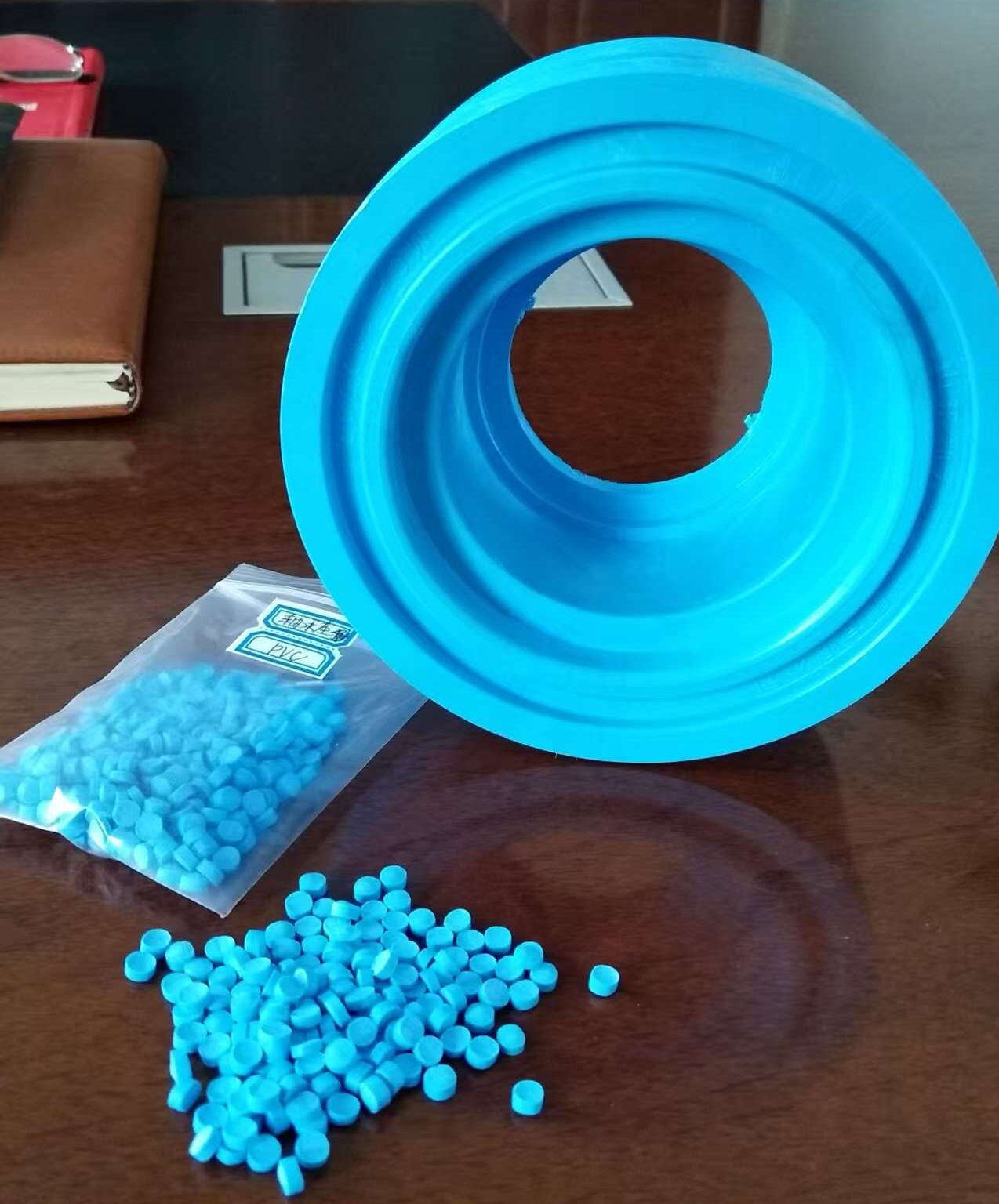
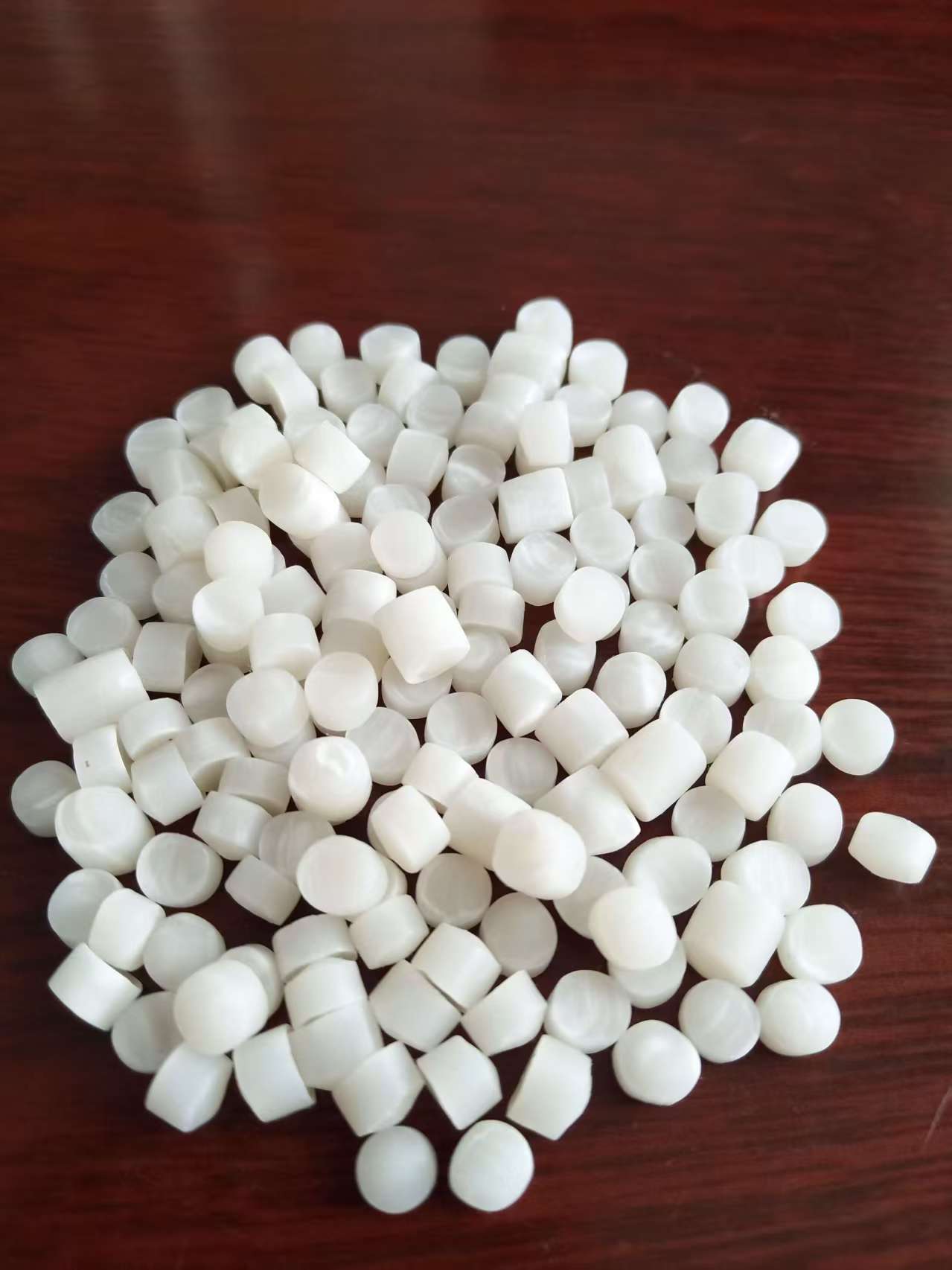
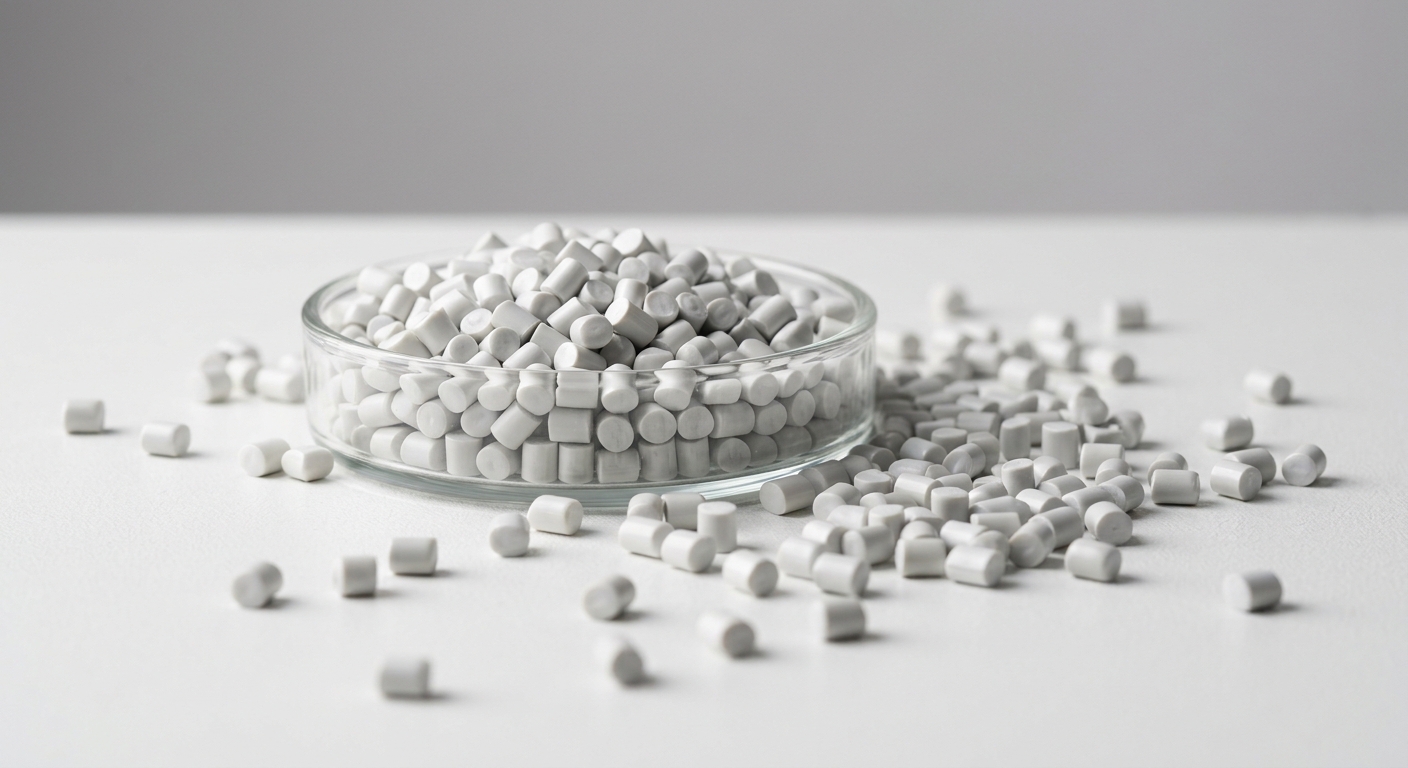
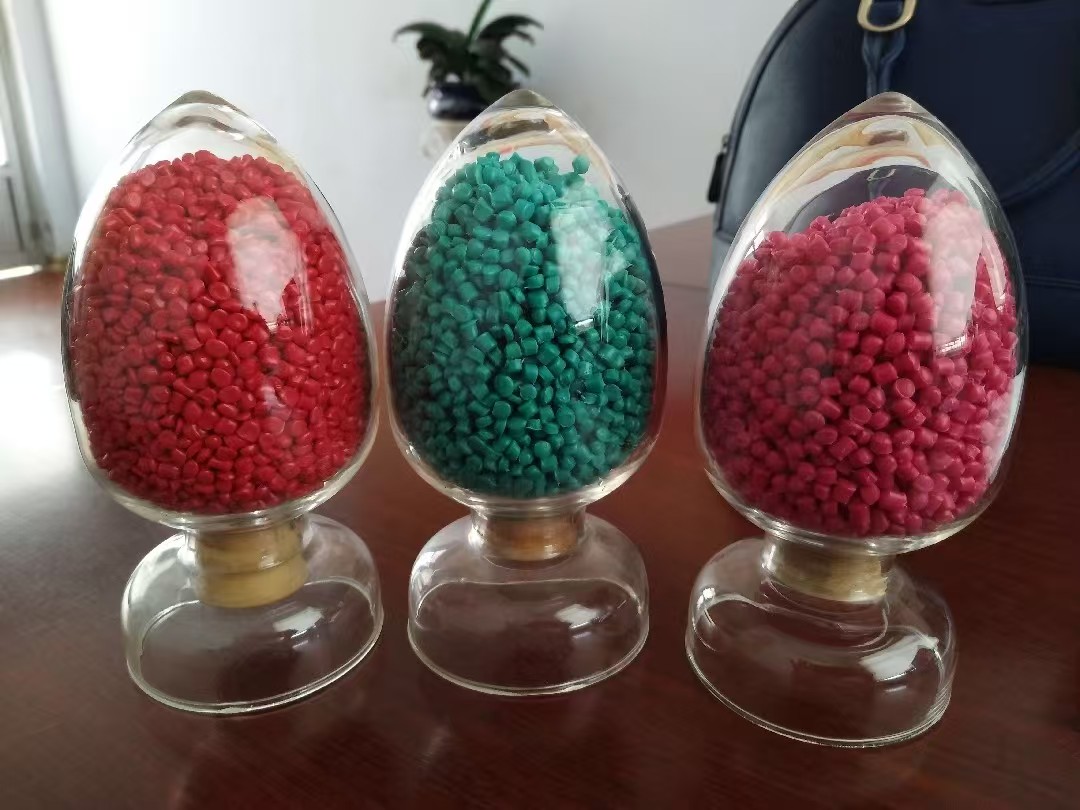
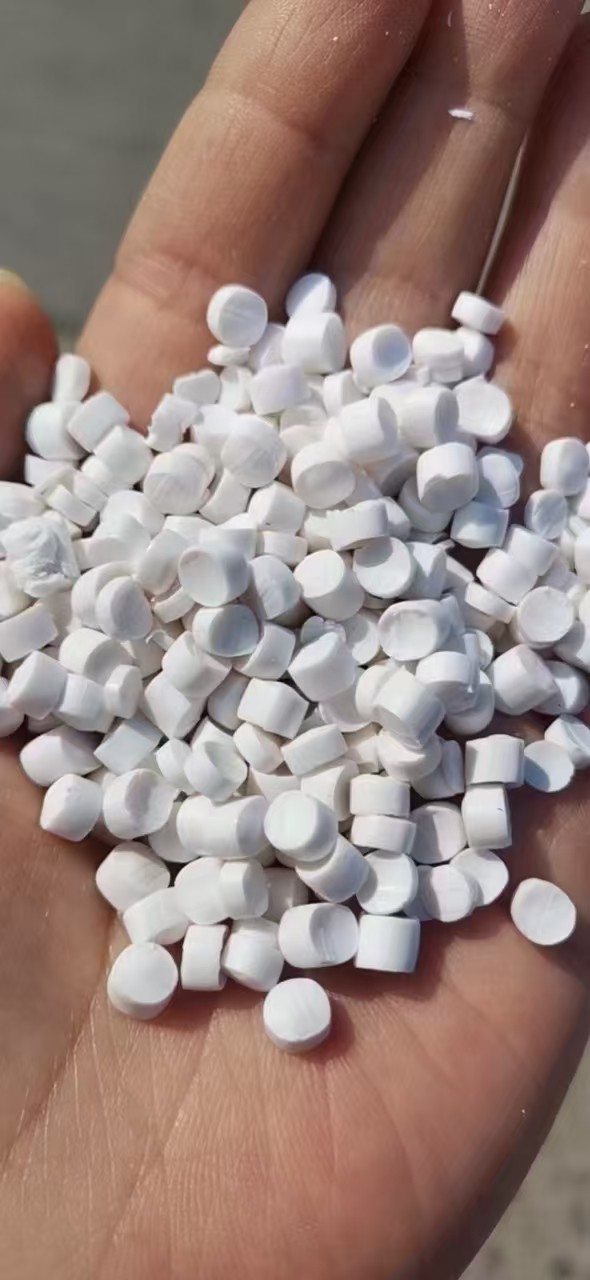
Lựa chọn hạt PVC
Các nhà máy lựa chọn các hợp chất PVC cụ thể tùy thuộc vào loại cáp:
-
Hạt PVC cách điện (dùng để cách điện dây dẫn)
-
Hạt PVC vỏ bọc (dùng để bảo vệ lớp vỏ ngoài)
-
Các hợp chất PVC chuyên dụng (ví dụ: chống cháy, ít khói, độ dẻo cao, chống lạnh)
Trước khi sử dụng, hạt PVC thường được:
-
sấy khô (để loại bỏ hơi ẩm)
-
trộn sẵn với chất ổn định hoặc masterbatch màu (nếu cần)
2. Ép kéo dây đồng/nhôm
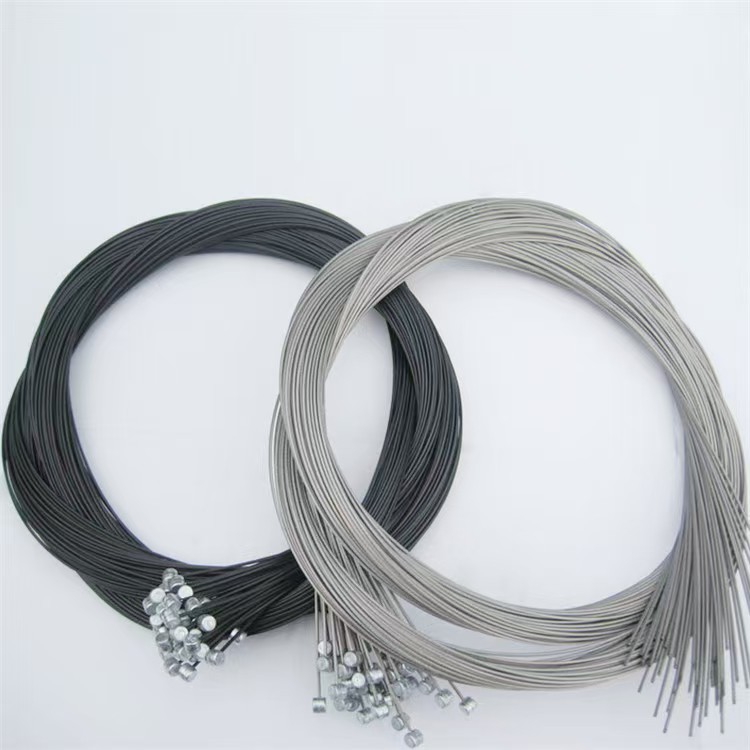
Các thanh đồng hoặc nhôm lớn được kéo qua một loạt khuôn để giảm đường kính.
Quy trình:
Thanh → Máy ủ → Ép kéo nhiều khuôn → Dây mịn → Cuộn thu hồi
Mục tiêu là tạo ra các sợi mịn, đồng đều phù hợp cho việc xoắn dây dẫn.
3. Xoắn dây dẫn
Nhiều sợi dây đã kéo được xoắn lại với nhau để tạo thành dây dẫn có:
-
độ dẻo cao hơn
-
hiệu suất điện tốt hơn
Các kiểu xoắn:
-
Xoắn chặt
-
Dạng hình quạt
-
Đồng tâm
-
Nén chặt (dùng cho cáp điện lực)
4. Ép đùn hạt PVC để làm lớp cách điện
Đây là giai đoạn quan trọng trong đó hạt PVC được nóng chảy và phủ lên dây dẫn.
Các bước ép đùn:
-
Hạt PVC được đưa vào bình chứa của máy ép đùn
-
Được làm nóng trong xi lanh (160–190°C tùy theo công thức)
-
Nhựa nóng chảy đi qua trục vít nén
-
PVC nóng chảy được ép đùn xung quanh dây dẫn
-
Làm nguội trong máng nước
-
Máy kiểm tra tia lửa kiểm tra độ tinh khiết của lớp cách điện
Kết quả:
Một dây dẫn cách điện PVC hoàn hảo tròn đều và có độ bền cao.
5. Xoắn / Đấu cáp (Nếu là cáp nhiều lõi)
Đối với cáp nhiều lõi (2, 3, 4 hoặc nhiều dây cách điện), các dây dẫn cách điện được xoắn lại với nhau.
Có thể bao gồm:
-
(như canxi cacbonat) cũng rất quan trọng; chúng phải mịn và phân tán đều để tránh làm gián đoạn hoa văn bề mặt tinh tế, đồng thời vẫn đóng góp vào độ cứng và tính hiệu quả về chi phí của ống. Công thức sẽ dựa trên một hợp chất
-
băng buộc
-
các lớp phân cách
Điều này đảm bảo độ tròn và tính ổn định cơ học của cáp.
6. Ép đùn vỏ bọc PVC (lớp vỏ ngoài)
Quá trình ép đùn thứ hai áp dụng lớp vỏ bọc PVC bên ngoài.
Vật liệu vỏ bọc PVC phải cung cấp:
-
khả năng chống mài mòn
-
chống chịu thời tiết và tia UV
-
khả năng chống cháy
-
độ bền cơ học
Quy trình tương tự như ép đùn cách điện:
Hạt PVC → Máy ép đùn → Nhựa nóng chảy → Khuôn đầu chéo → Vỏ bọc cáp → Làm mát → In ấn
7. In ấn & đánh dấu mét
Cáp hoàn thiện được in với:
-
loại cáp
-
kích thước
-
định mức điện áp
-
ký hiệu chiều dài
-
ngày sản xuất / lô sản xuất
Máy in phun mực được sử dụng trong quá trình vận hành dây chuyền.
8. Cuốn dây, đóng gói và kiểm tra chất lượng
Các bước cuối cùng bao gồm:
-
cuốn vào cuộn hoặc trống
-
kiểm tra trực quan
-
thử nghiệm điện (điện trở, độ bền điện môi, thử đánh lửa)
-
thử nghiệm cơ học (độ bền kéo, độ giãn dài, lão hóa)
Sau khi được phê duyệt, cáp sẽ được đóng gói và sẵn sàng để vận chuyển.