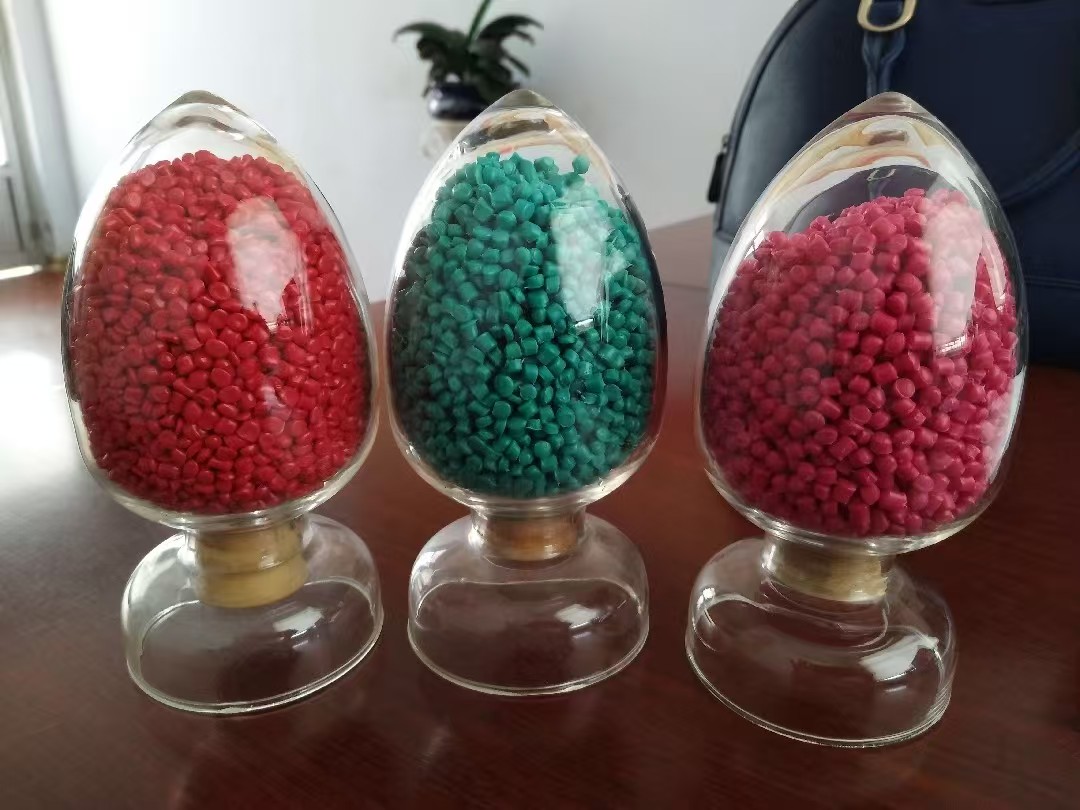
When sourcing ПВХ-гранулы, the lowest price per ton does not always translate into the lowest production cost. A lower-priced PVC compound can become more expensive if inconsistent processing increases scrap, causes extrusion downtime, or requires frequent process adjustments. For buyers, the better measure is total cost per finished part, considering material cost, processing reliability, and performance for the intended application.
This guide compares rigid and flexible PVC granules across these three factors, with a focus on extrusion, injection molding, and other common industrial applications. The goal is to help buyers evaluate PVC granule grades based on actual production requirements rather than price alone.
What Drives the Price Difference Between Rigid and Flexible PVC Granules
The price difference between rigid and flexible PVC granules mainly comes from their formulation and the cost of the materials used to achieve the required properties. While both grades use PVC resin as the base material, flexible formulations typically require plasticizers, while rigid grades rely more heavily on stabilizers, processing aids, impact modifiers, or fillers to meet specific processing and performance requirements.
Rigid PVC granules, often used as PVC-U compounds for pipes, profiles, fittings, and other rigid products, generally contain a high proportion of PVC resin. The remaining formulation is adjusted with additives such as stabilizers, lubricants, impact modifiers, and pigments according to the processing method and end-use requirements. As a result, the cost of rigid PVC compounds is strongly influenced by PVC resin prices and the additive package selected for the application.
Flexible PVC granules have a different cost structure. Plasticizers are added to reduce the hardness of the PVC compound and provide the flexibility required for products such as wire and cable jacketing, seals, tubing, and flexible profiles. The type and loading of plasticizer can significantly affect both material cost and finished-part performance. Other additives may also be required for heat resistance, flame retardancy, weatherability, or processing stability.
For buyers, the key issue is not simply whether rigid or flexible PVC granules have a lower price per kilogram. If the finished product does not require flexibility, a rigid PVC compound can avoid the additional cost associated with plasticizers. Where flexibility is essential, however, the plasticizer system is part of the performance specification rather than an optional cost.
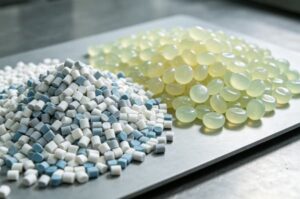
How Additives Impact Your True Material Cost
The additive package can make a noticeable difference in the cost and processing behavior of PVC granules. Buyers should therefore compare the formulation requirements and performance specifications of different grades rather than evaluating quotations by resin content alone.
- Stabilizers help protect PVC from thermal degradation during processing. Calcium-zinc stabilizer systems are widely used where lead-free formulations are required. Their cost depends on the formulation, processing conditions, and performance requirements of the finished product.
- Impact modifiers can improve the toughness of rigid PVC compounds used for window profiles, pipe fittings, and injection-molded components. Acrylic and chlorinated polyethylene modifiers are among the options used for specific applications, but the appropriate type and loading depend on the required impact performance and processing conditions.
- Fillers such as calcium carbonate can reduce material cost and adjust properties such as stiffness and density. However, increasing filler content may affect mechanical strength, surface appearance, and processing behavior. The economic benefit therefore depends on whether the finished application can accommodate these changes.
For PVC granule buyers, the most economical formulation is not necessarily the one with the lowest raw material cost. The better comparison is whether the additive package provides the required processing stability and finished-product performance without adding unnecessary formulation costs.
Which PVC Granule Grade Delivers the Best Processing Efficiency
Processing efficiency is a critical factor when evaluating PVC granules because the lowest material price does not always result in the lowest production cost. A PVC compound that requires frequent process adjustments, creates unstable melt flow, or increases scrap levels can reduce overall manufacturing efficiency.
For buyers sourcing PVC granules, the right grade should match the processing method, equipment conditions, and finished-part requirements. A compound designed for one application may not deliver the same results in another, which is why PVC granule selection is closely linked to production performance.
Molecular Weight and Melt Flow: The Processing Trade-off
The molecular weight of PVC resin influences both processing behavior and final product properties. Higher molecular weight PVC grades generally provide improved mechanical strength and toughness but may require more processing control due to lower melt flow. Lower molecular weight grades typically offer easier processing and better flow characteristics, although the final product properties may differ depending on the formulation.
This balance is especially important when selecting PVC compounds for extrusion and injection molding applications. Injection molding grades often prioritize melt flow and mold filling performance, while extrusion grades require sufficient melt strength to maintain dimensional stability during continuous production.
For applications such as pressure pipes, rigid profiles, and structural components, manufacturers typically prioritize mechanical performance and long-term durability. For complex injection-molded parts or profiles with demanding processing requirements, a grade with better flow characteristics may provide production advantages.
How Granule Consistency Affects Your Scrap Rate
Consistent PVC granule quality plays an important role in stable production. Factors such as particle size distribution, fines content, and material uniformity can influence feeding behavior, melting consistency, and overall process control.
Excessive fines may affect feeding stability in automated systems, while inconsistent granule structure can contribute to uneven plasticizer absorption in flexible PVC formulations. In production environments, these issues may appear as unstable processing conditions, surface defects, or variations between batches.
When evaluating PVC granule suppliers, buyers should review quality documentation such as particle size analysis, batch consistency records, and relevant processing data. Suppliers that maintain consistent formulation control can help manufacturers reduce process adjustments and achieve more predictable production results.
A lower-priced PVC compound may appear attractive during initial evaluation, but long-term value depends on whether the material delivers stable processing performance throughout regular production.
Rigid PVC Granules: Where Material Cost and Performance Align
Rigid PVC granules provide a cost-effective solution for applications that require stiffness, dimensional stability, and chemical resistance. Compared with flexible PVC compounds, rigid grades do not rely on plasticizers to achieve flexibility, which generally results in a different cost structure and performance profile.
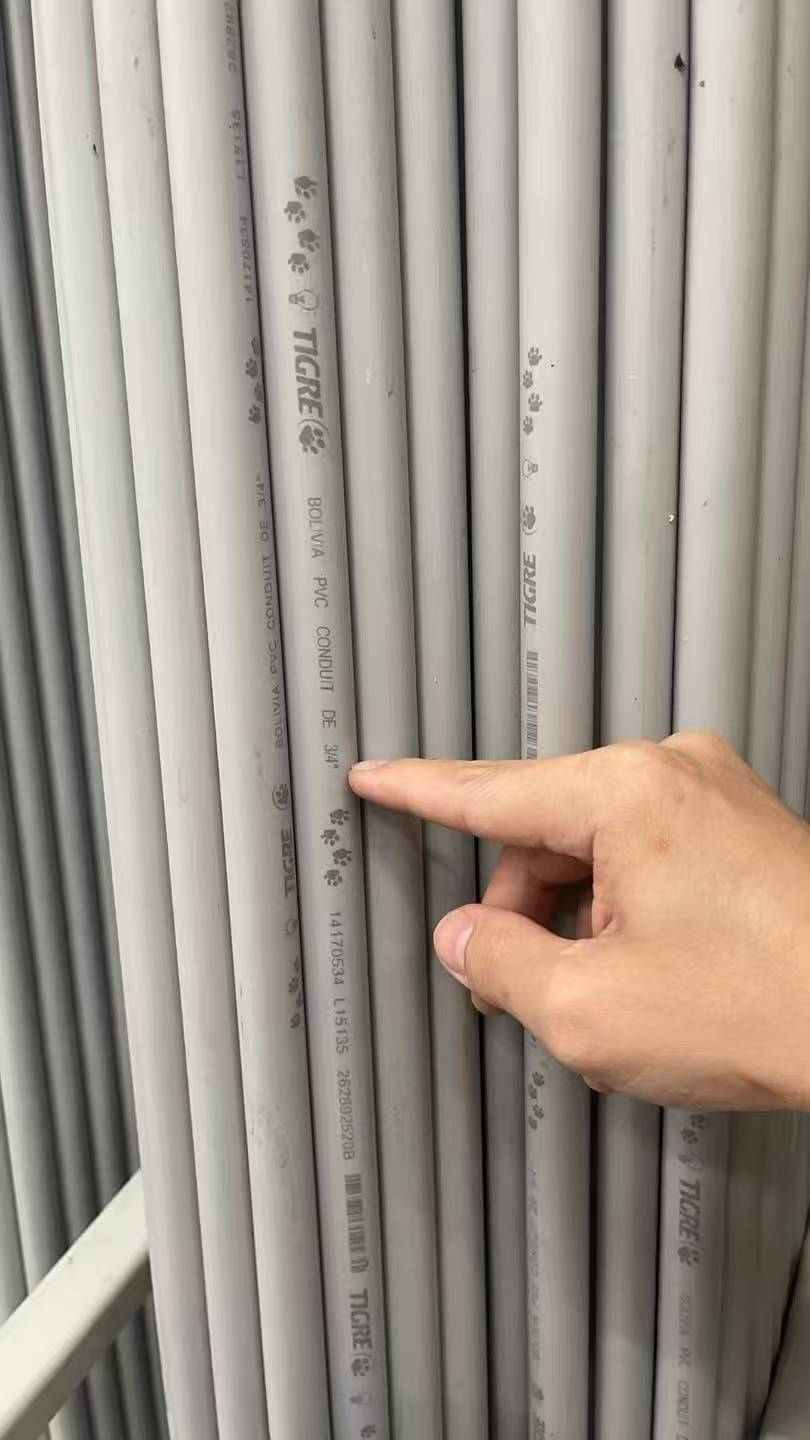
Rigid PVC granules are widely used in applications such as pipe and conduit extrusion, window and door profiles, electrical protection components, injection-molded fittings, and construction products. These applications typically require consistent mechanical properties, reliable processing behavior, and long-term durability. By selecting the right formulation, manufacturers can achieve the required performance without adding unnecessary material costs associated with flexible PVC systems.
When Rigid Granules Deliver the Lowest Total Cost
Rigid PVC granules often provide the greatest economic advantage in high-volume applications where material efficiency and production stability have a significant impact on overall cost. Industries such as pipe manufacturing, profile extrusion, and conduit production usually evaluate materials based on more than the initial resin price. Processing efficiency, scrap reduction, and finished-part performance all influence the final cost per component.
However, cost advantages depend on choosing a PVC compound that matches the production process. A rigid PVC grade developed for injection molding may not provide the melt strength required for continuous extrusion applications. Factors such as extrusion temperature, screw design, die configuration, and finished-product requirements should be considered during material selection.
Injection Molding vs. Extrusion Grades: Not Interchangeable
Rigid PVC granules are available in different grades designed for specific processing methods. Injection molding compounds typically focus on flow characteristics, mold filling performance, and cycle efficiency, while extrusion grades require sufficient melt strength and dimensional stability to maintain product shape during continuous production.
For injection-molded PVC components with complex geometries or thin sections, a formulation with improved flow behavior may provide processing advantages. For products such as pipes, profiles, and conduit, extrusion-grade PVC compounds are generally designed to maintain consistent output and dimensional accuracy after leaving the die.
When sourcing rigid PVC granules, manufacturers should clearly define their processing method, equipment conditions, and finished-product requirements. A supplier that can recommend application-specific PVC grades provides more value than one offering a single general-purpose compound for every production scenario.
Flexible PVC Granules: Paying More for Application-Critical Performance
Flexible PVC granules typically have a higher material cost than rigid grades because their formulation requires additional components to achieve flexibility and other application-specific properties. The important question for buyers is not whether flexible PVC costs more, but whether the performance benefits justify the additional formulation requirements.
Flexibility, low-temperature performance, impact resistance, and durability are key factors that determine the value of flexible PVC compounds. While rigid PVC compounds may offer a lower material cost, they cannot provide the same level of flexibility required for applications such as wire and cable jacketing, automotive seals, flexible tubing, and other soft PVC products.
Plasticizer Choice: The Hidden Performance Variable
In flexible PVC formulations, plasticizer selection plays a major role in determining the final properties of the compound. Different plasticizers can influence flexibility, low-temperature performance, heat resistance, durability, and regulatory suitability.
Phthalate-based plasticizers such as DOP (dioctyl phthalate) have traditionally been used in many general-purpose flexible PVC applications because of their balance between cost and performance. However, application requirements and regional regulations may influence whether alternative plasticizers are preferred.
Other plasticizers, including adipate-based options such as DOA (dioctyl adipate), are commonly considered when improved low-temperature flexibility is required. The most suitable plasticizer system depends on the product environment, processing conditions, and required service performance.
For flexible PVC applications exposed to cold temperatures or demanding operating conditions, plasticizer selection should be evaluated as part of the overall product design rather than only as a material cost factor.
Wire and Cable Applications: Where Flexible Granules Prove Their Value
Wire and cable jacketing represents one of the most demanding applications for flexible PVC granules. The compound must achieve a balance between flexibility, electrical insulation performance, heat resistance, flame resistance, and long-term durability.
Meeting these requirements depends on the complete formulation system, including PVC resin selection, plasticizer type, stabilizers, fillers, and other additives. A flexible PVC compound designed for general-purpose products may not provide the same performance as a grade developed specifically for electrical or industrial applications.
For buyers sourcing flexible PVC granules, comparing suppliers only by price can overlook important differences in formulation design and quality consistency. Reviewing technical data, application experience, and relevant test documentation can help ensure the selected PVC compound meets the expected service requirements.
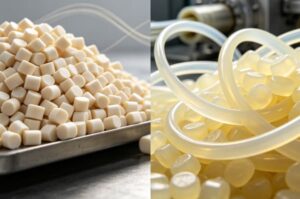
Comparing Value: A Side-by-Side Framework
Rigid and flexible PVC granules are designed for different performance requirements. The table below compares their value across key purchasing factors, including material cost, processing behavior, mechanical properties, and typical applications.
| Value Dimension | Гранулы жесткого ПВХ | Гранулы из гибкого ПВХ |
|---|---|---|
| Material cost | Generally lower because the formulation does not require plasticizers for flexibility | Generally higher due to plasticizer systems and additional performance requirements |
| Processing considerations | Requires suitable formulation and processing conditions to achieve stable extrusion or molding performance | Plasticizer selection and formulation balance influence processing behavior and long-term stability |
| Mechanical properties | Higher stiffness, dimensional stability, and chemical resistance for structural applications | Higher flexibility, elongation, and impact absorption for soft applications |
| Гибкость | Limited flexibility; typically selected where rigidity is required | Adjustable flexibility through plasticizer selection and formulation design |
| Typical applications | Pipes, conduits, profiles, fittings, electrical protection components, and rigid molded parts | Wire and cable jacketing, seals, tubing, automotive components, and flexible profiles |
| Main performance considerations | Formulation consistency, melt strength, dimensional accuracy, and impact performance | Plasticizer compatibility, migration resistance, flexibility retention, and service environment |
The right choice depends on the requirements of the finished product rather than material price alone. Rigid PVC granules are often the better fit when stiffness, dimensional stability, and cost efficiency are priorities. Flexible PVC granules provide greater value when flexibility, low-temperature performance, or impact absorption are essential for the application.
For buyers comparing PVC granule suppliers, the most important factor is selecting a grade that matches the production process and end-use requirements.
How to Evaluate PVC Granule Suppliers Beyond Price Per Ton
The lowest quotation does not always represent the lowest overall cost. When sourcing PVC granules, buyers should evaluate suppliers based on formulation expertise, quality consistency, technical support, and their ability to meet application-specific requirements.
Technical Support and Formulation Transparency
A reliable PVC granule supplier should be able to explain how the formulation is designed to meet specific performance requirements. Buyers should understand why certain stabilizers, plasticizers, modifiers, or fillers are selected and how the compound is expected to perform during processing.
Important questions to ask include:
- Is the PVC compound designed for extrusion, injection molding, or another process?
- Does the supplier provide application-specific PVC grades or only general-purpose compounds?
- What processing conditions and performance targets was the formulation developed for?
Suppliers with strong technical capabilities can help manufacturers select suitable PVC compounds instead of simply providing standard materials. This type of support can reduce unnecessary process adjustments and improve production stability.
Batch Consistency and Quality Documentation
Consistent quality is essential for manufacturers using PVC granules in continuous production. Buyers should review quality documentation such as Certificates of Analysis (COA), batch records, and relevant material test data before establishing long-term supply relationships.
Depending on the application, important evaluation factors may include:
- Melt flow or processing behavior
- Plasticizer content and compatibility
- Granule size distribution
- Mechanical performance data
- Regulatory documentation
For regulated applications such as electrical products, medical-related components, or food-contact applications, suppliers should be able to provide the required compliance documentation, including relevant certifications or test reports.
A PVC compound that performs well in an initial trial but lacks consistent quality control or necessary documentation may create challenges during commercial production.
Responsiveness to Application-Specific Needs
Different PVC applications require different formulation approaches. A standard PVC compound may not provide optimal performance for every production environment, especially when manufacturers have specific requirements related to processing temperature, product thickness, mechanical properties, or service conditions.
A supplier capable of adjusting formulation parameters, recommending suitable PVC grades, or supporting process optimization can provide greater value than a supplier focused only on offering the lowest material price.
For buyers comparing PVC granule suppliers, the most reliable partner is usually the one that understands both the material requirements and the realities of the production process.
Matching Granule Grade to Your Production Reality
Selecting PVC granules is not simply a matter of choosing the lowest-priced material. The right PVC compound should match your production process, equipment conditions, finished-product requirements, and expected service performance.
Before sourcing PVC granules, buyers can evaluate suppliers using the following checklist:
- Define your processing requirements — including extrusion temperature settings, injection molding conditions, cycle time targets, and production equipment limitations.
- Identify finished-product requirements — such as flexibility, tensile strength, impact resistance, temperature performance, and regulatory requirements.
- Request batch-specific technical data — including quality records, test results, and application-related information rather than relying only on a standard datasheet.
- Conduct production-scale trials — evaluate the compound under actual manufacturing conditions before moving to large-volume purchasing.
- Compare total production cost — consider material efficiency, processing stability, scrap reduction, and finished-part performance instead of focusing only on price per ton.
Rigid PVC granules often provide cost advantages when applications require stiffness, dimensional stability, and structural performance. Flexible PVC granules create additional value when products require flexibility, low-temperature performance, impact absorption, or other application-specific properties.
In both cases, the difference between a suitable and unsuitable PVC compound usually depends on formulation quality, supplier consistency, and how well the material matches the production process.
The best sourcing decisions begin with understanding your own manufacturing requirements. By defining your processing parameters, product specifications, and compliance needs, you can evaluate PVC granule suppliers based on long-term production value rather than the initial quotation alone.
If you are sourcing PVC granules for extrusion, injection molding, or other industrial applications, provide your processing conditions and performance requirements to a qualified supplier. Dingshengtong with strong technical support can help identify a PVC grade that fits your specific production needs.