Rigid PVC Granules for Injection Molding
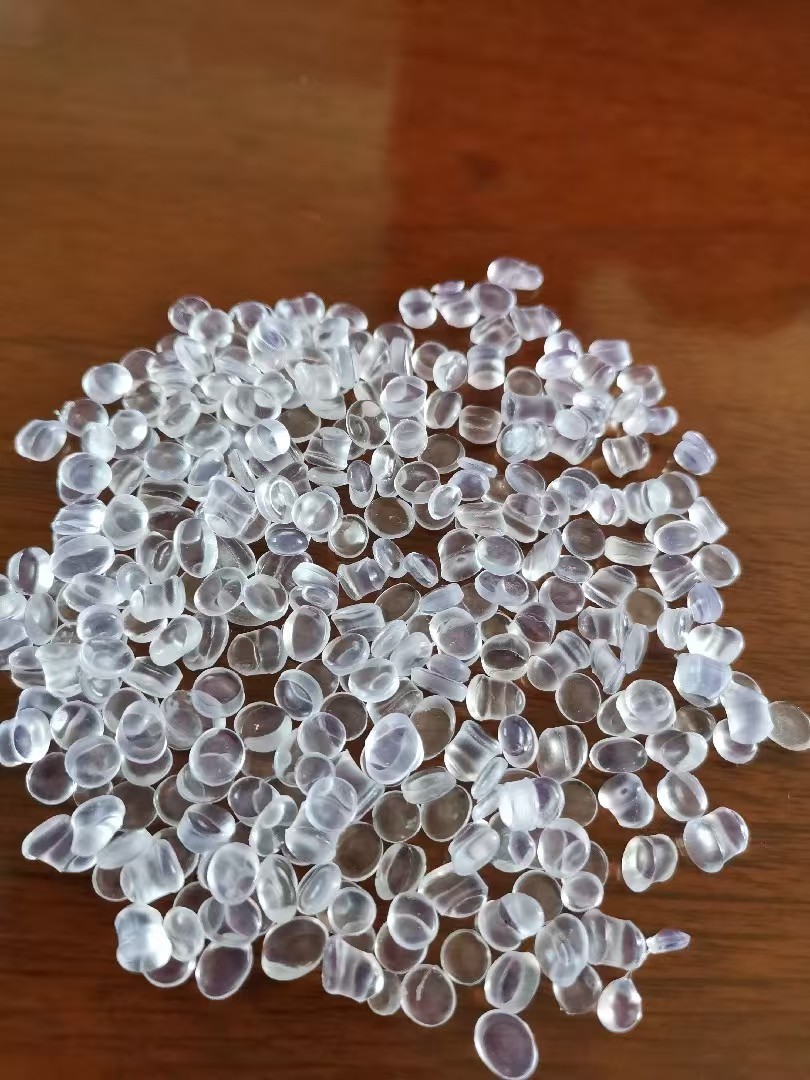
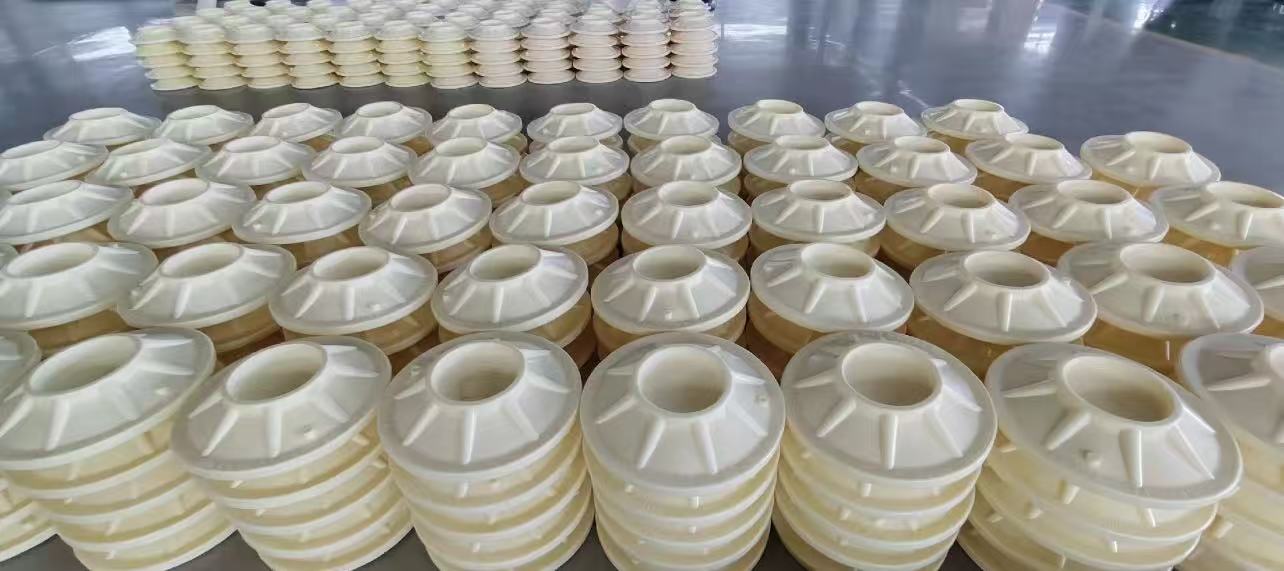
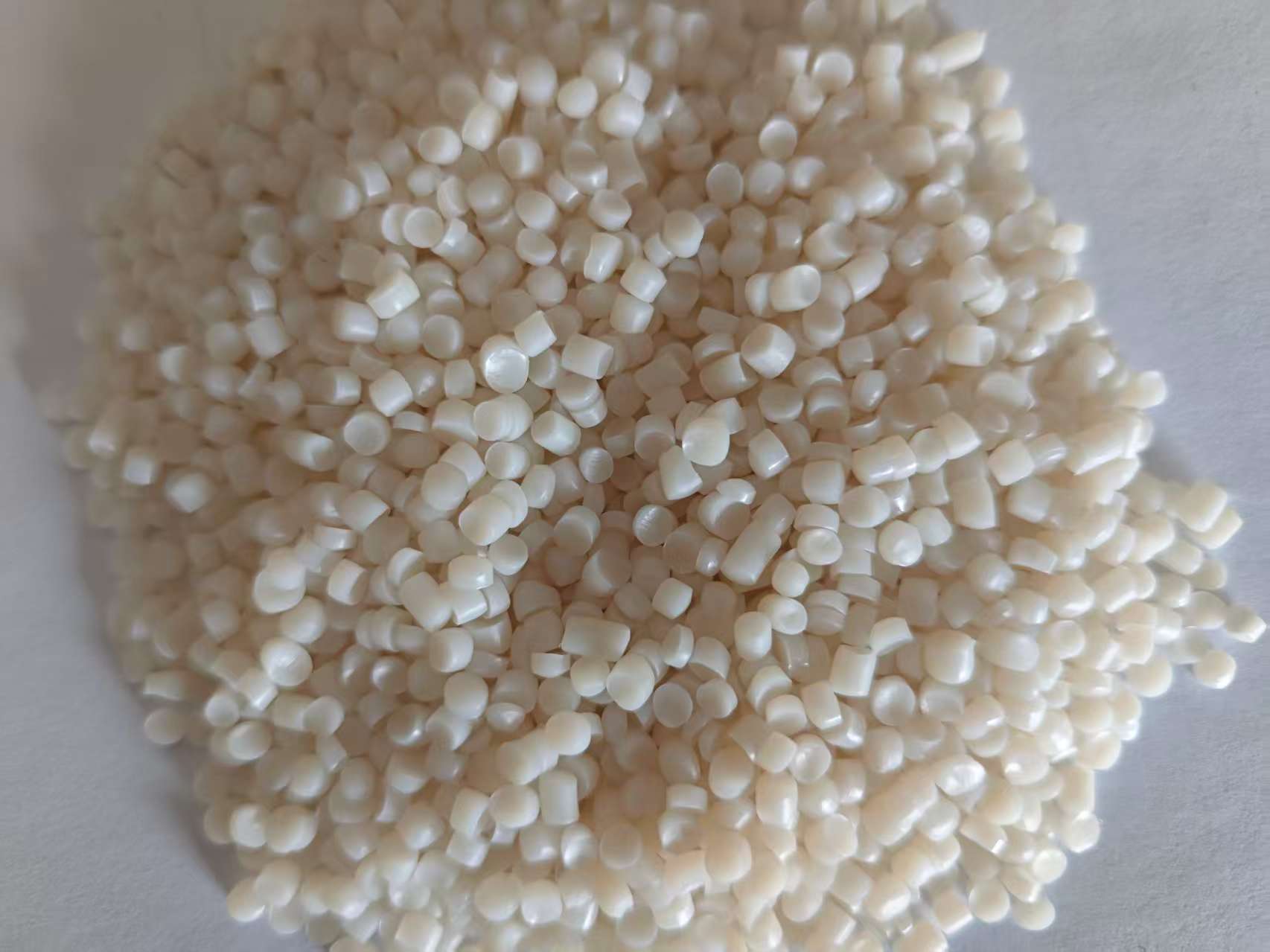
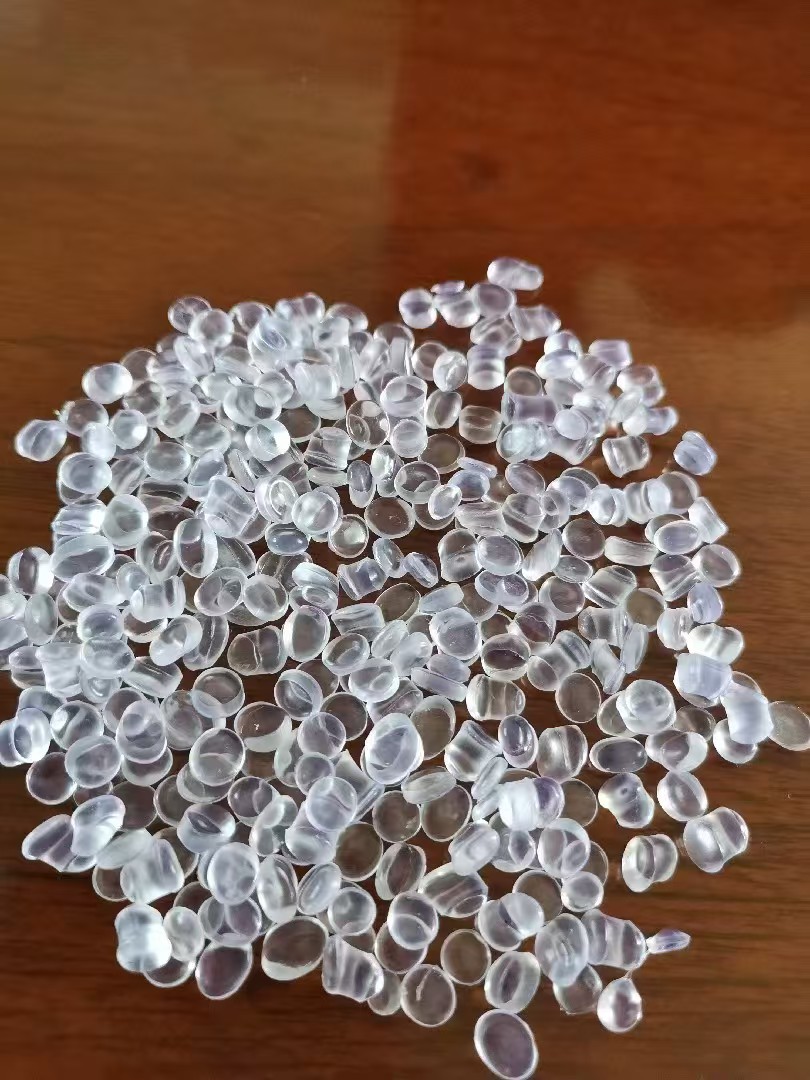
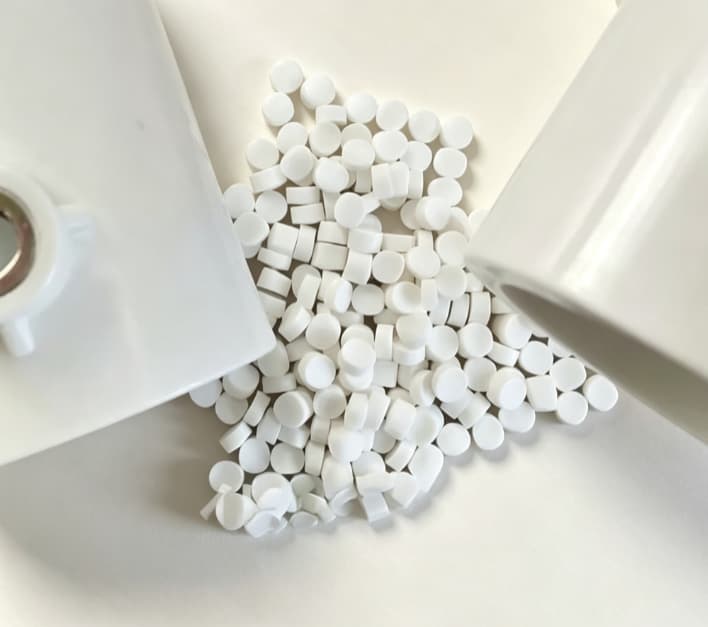
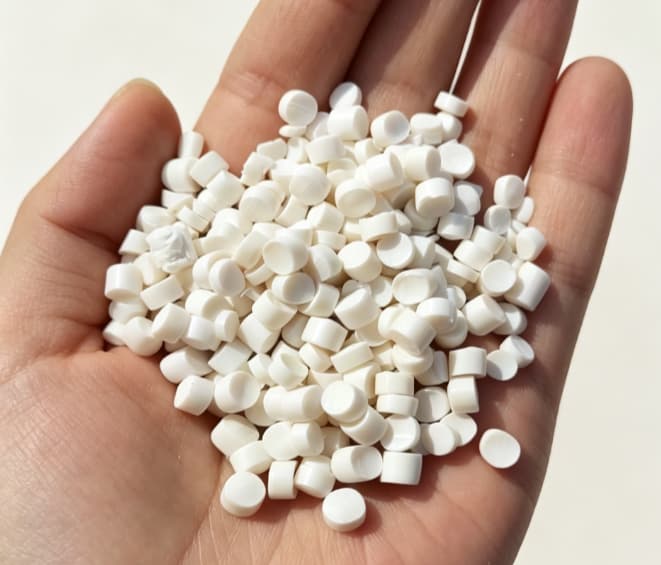
Rigid PVC granules for injection molding are specially formulated PVC compounds designed for manufacturing rigid plastic components through injection molding processes. By combining PVC resin with carefully selected additives, these granules provide excellent rigidity, dimensional stability, chemical resistance, and consistent processing performance.
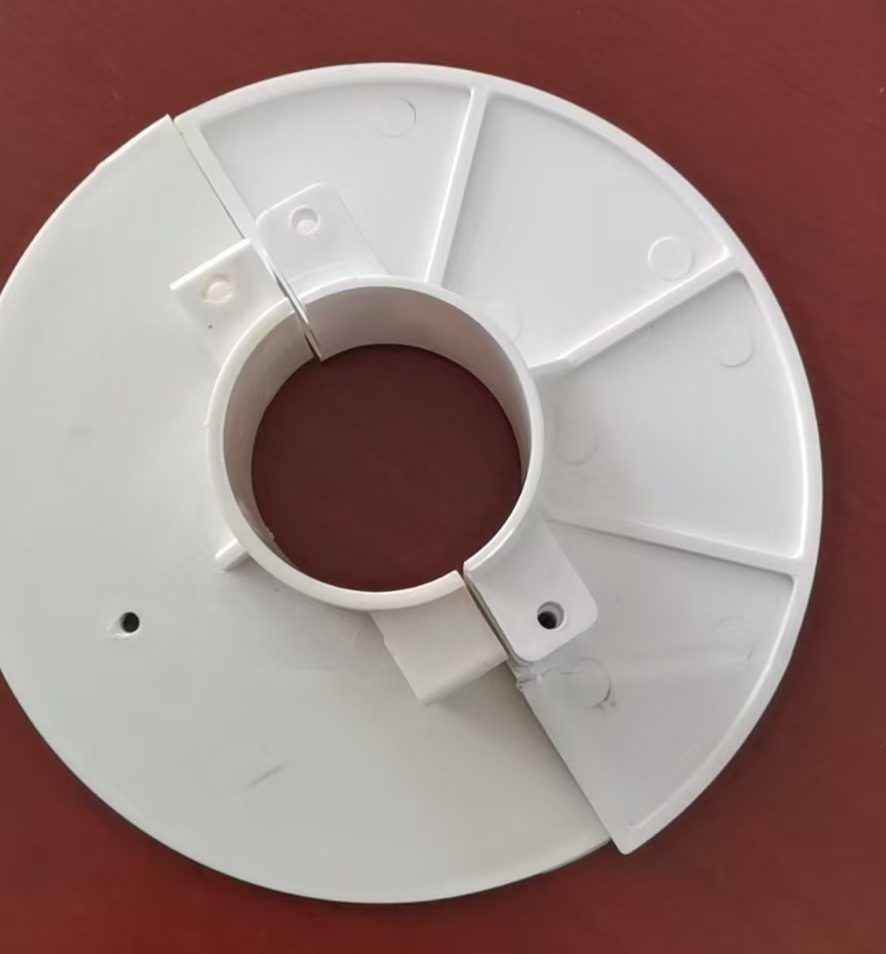
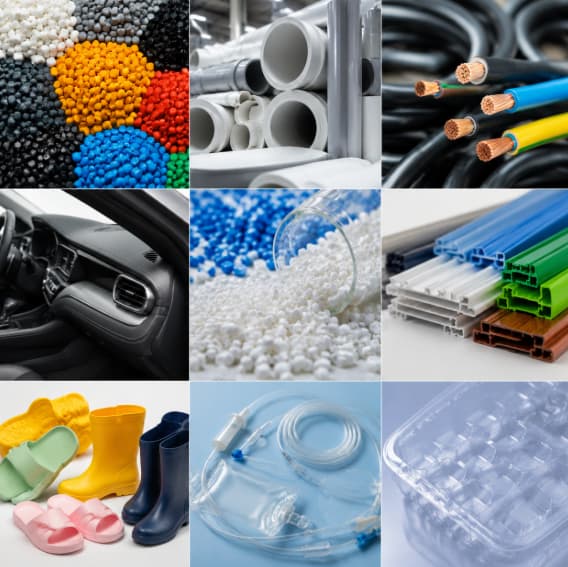
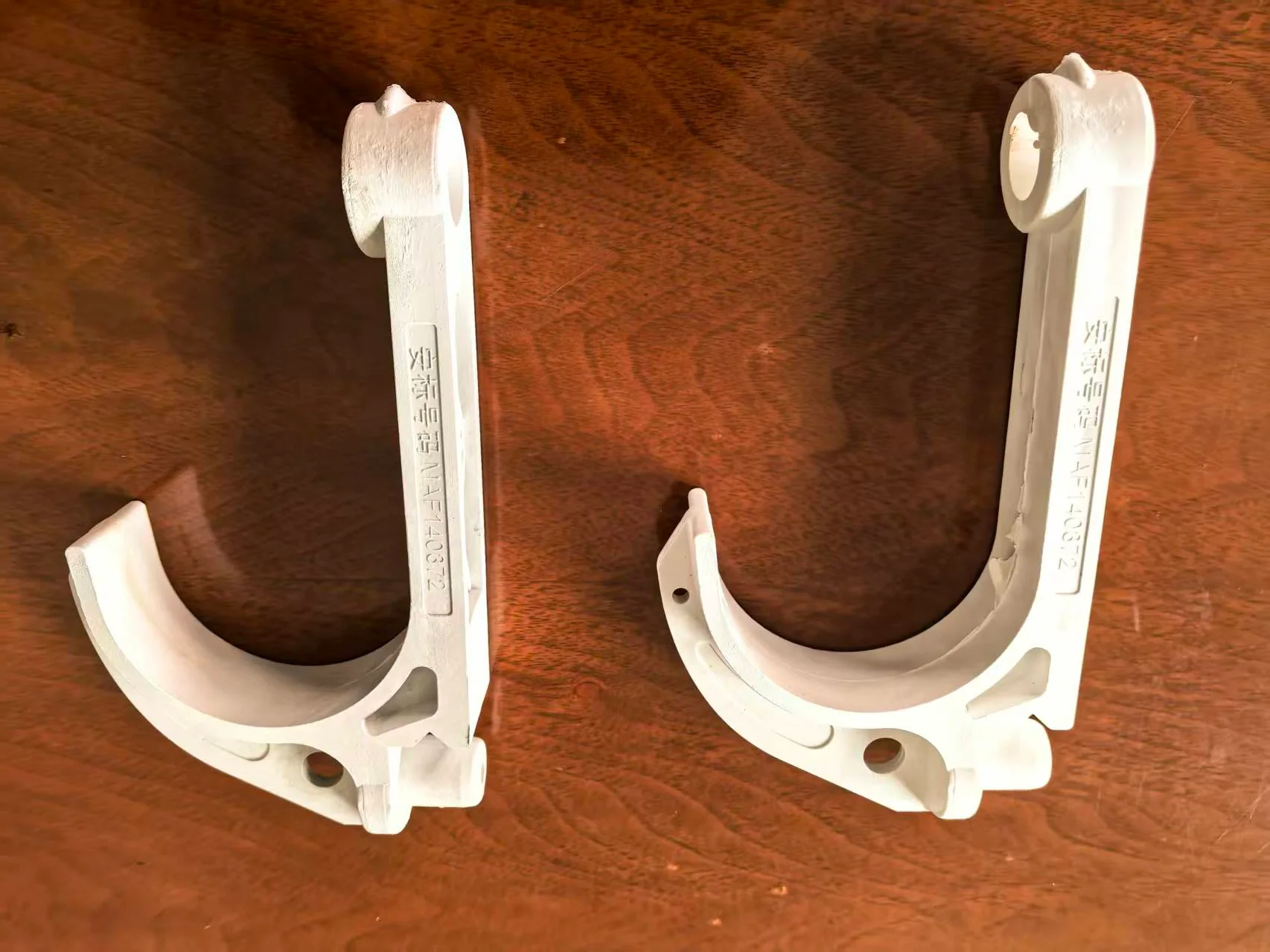
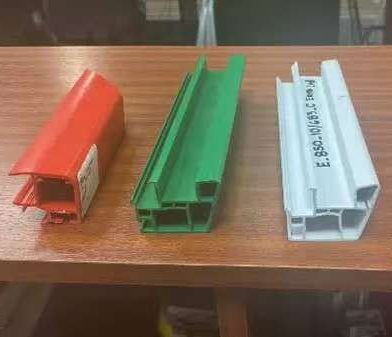
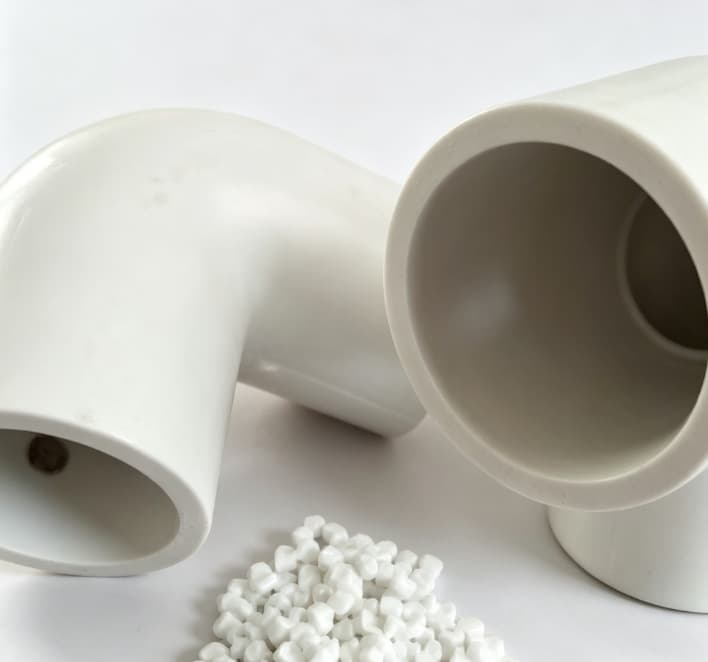
With stable melt flow and reliable molding characteristics, rigid PVC granules are suitable for producing various injection molded PVC products, including electrical components, pipe fittings, industrial parts, and customized plastic components.
Key Features of Rigid PVC Granules
Rigid PVC granules offer balanced physical and processing properties for demanding injection molding applications:
- High mechanical strength and rigidity for structural plastic components
- Excellent dimensional stability for accurate molded parts
- Good chemical and weather resistance for long-term performance
- Reliable electrical insulation and flame retardant properties for electrical applications
- Stable processing performance for efficient injection molding production
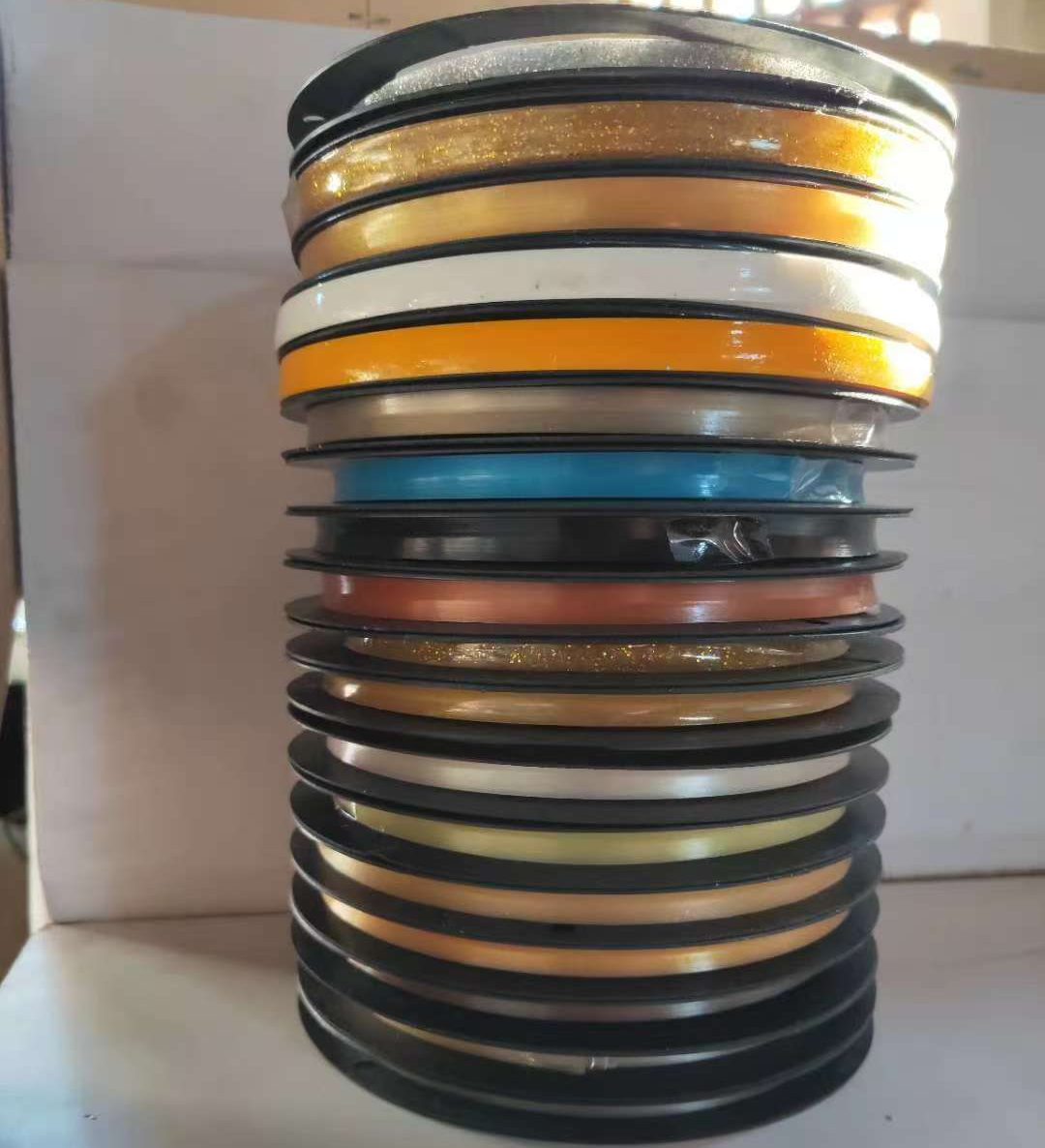
Customized hardness, color, and formulations are available to meet different product requirements.
Applications of Rigid PVC Granules for Injection Molding
Rigid PVC injection molding compounds are widely used for producing durable and precision-molded PVC products, including:
- Electrical plugs and components
- Junction boxes and cable accessories
- PVC pipe fittings
- Industrial connectors and parts
- Protective covers and housings
- Custom molded PVC components
The material can be adjusted according to specific requirements for strength, appearance, processing performance, and application environment.
Manufacturing Process of Rigid PVC Granules
The production of rigid PVC granules involves precise compounding and pelletizing processes to ensure consistent material performance.
1. Raw Material Mixing
PVC resin is blended with stabilizers, lubricants, processing aids, impact modifiers, fillers, pigments, and other additives according to the required formulation.
2. Compounding
The mixed materials are heated and processed under controlled conditions to achieve uniform additive dispersion and stable physical properties.
3. Pelletizing
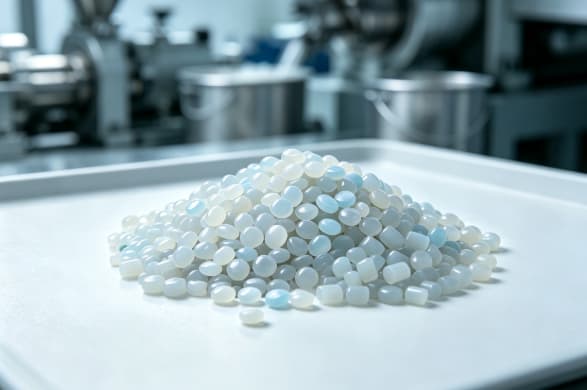
After compounding, the PVC material is cooled and cut into uniform granules suitable for injection molding applications.
4. Quality Inspection
Finished PVC granules are tested for appearance, processing performance, and consistency to ensure reliable performance during production.
PVC Injection Molding Compound Formulation
The formulation of rigid PVC granules determines their final properties, including strength, durability, processing stability, and surface performance.
A typical rigid PVC injection molding formulation includes:
| Component | Primary Function | Typical Loading (phr*) |
|---|---|---|
| PVC Resin | Base polymer forming the main structure | 100 |
| Thermal Stabilizer | Prevents PVC degradation during processing | 2–5 |
| Lubricants | Improves processing flow and mold release | 0.5–2 |
| Processing Aids | Enhances fusion and surface quality | 1–3 |
| Impact Modifier | Improves toughness and impact resistance | 0–10 |
| Fillers | Adjusts cost and material properties | 5–15 |
| Pigments | Provides customized colors | As needed |
*phr (Parts per Hundred Resin) is the standard unit used for PVC formulation design.