Introduction
Hạt nhựa PVC are widely used as ready-to-process materials in plastic manufacturing, serving industries such as construction, wire and cable, automotive, medical, and consumer products. Understanding their composition, production process, applications, and selection criteria helps manufacturers choose the right formulation for their specific needs.
This guide explains what PVC granules are, how they are produced, where they are used, and how to select the right type for different manufacturing applications.
1. What Are PVC Granules?
1.1 PVC Granules Definition and Composition
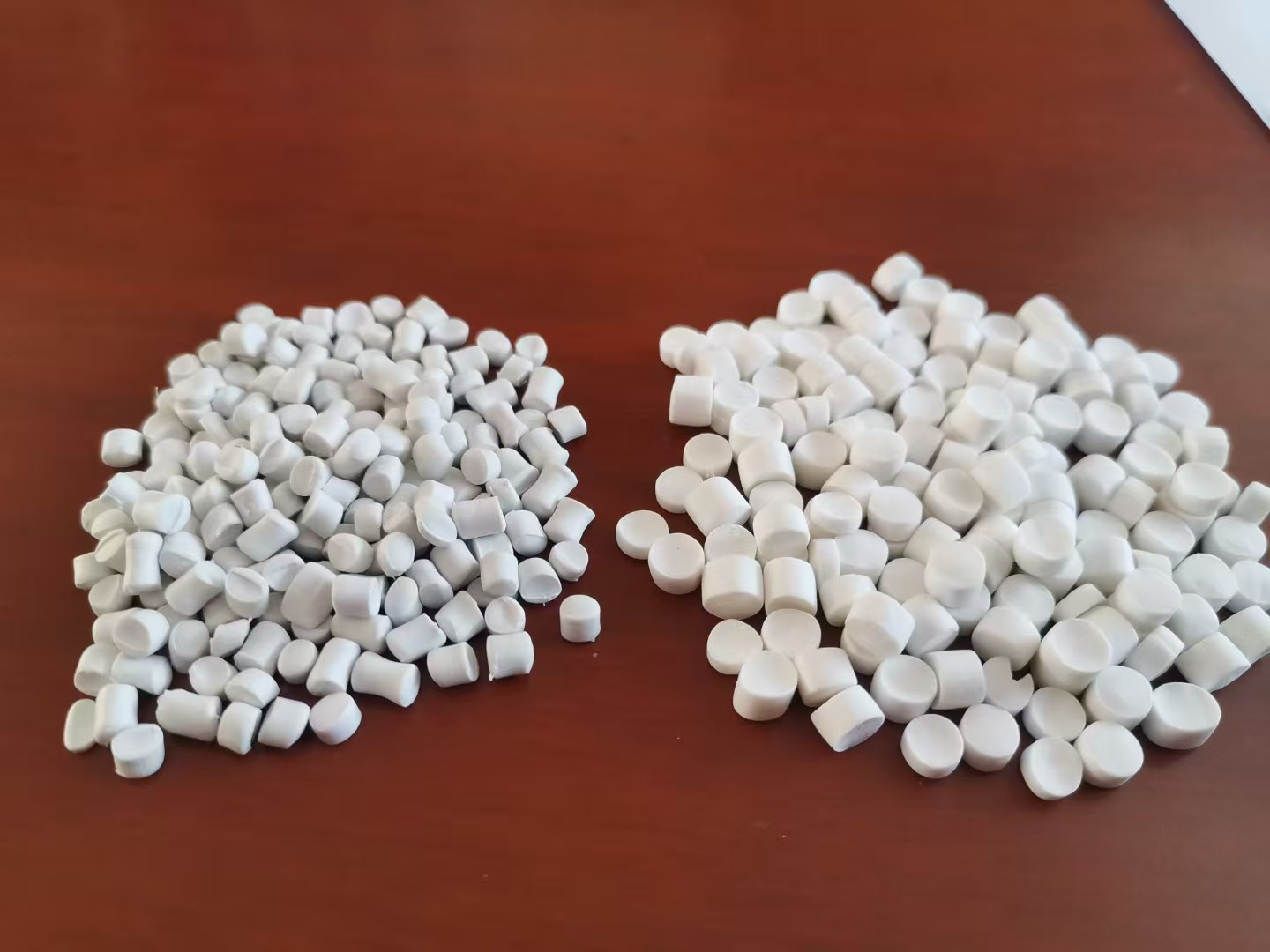
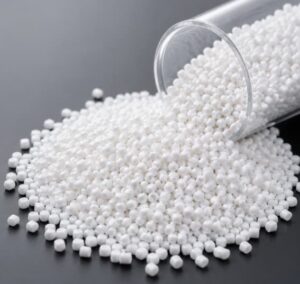
PVC granules are small pellet-shaped compounds produced by blending PVC resin with functional additives. Unlike raw PVC resin powder, these pre-compounded pellets can be directly used in processes such as extrusion, injection molding, and calendering.
Their formulation varies depending on the application. Plasticizers provide flexibility, stabilizers improve heat resistance, lubricants enhance processing performance, fillers adjust physical properties, and pigments create different colors.
Based on polyvinyl chloride, PVC granules are customized with specific additives to achieve different performance requirements for industrial applications.
1.2 How Are PVC Granules Made?
The production process involves raw material preparation, mixing, compounding, and pelletizing.
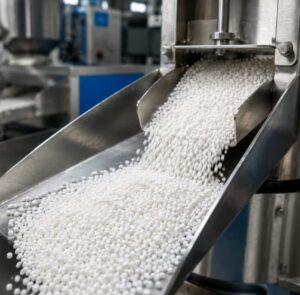
PVC resin and additives are first measured and blended to create a uniform compound. The material is then processed through extrusion granulation, where the molten compound is formed into strands and cut into consistent pellets.
Compared with PVC powder, granules offer better feeding performance, more uniform additive distribution, and more stable processing, making them a preferred material format for many manufacturing applications.
2. What Are PVC Granules Used For?
PVC granules are widely used across multiple industries due to their excellent processability, durability, and ability to be customized for different performance requirements. From construction materials to medical products, these versatile compounds support a wide range of manufacturing applications.
-
PVC Granules for Construction Applications
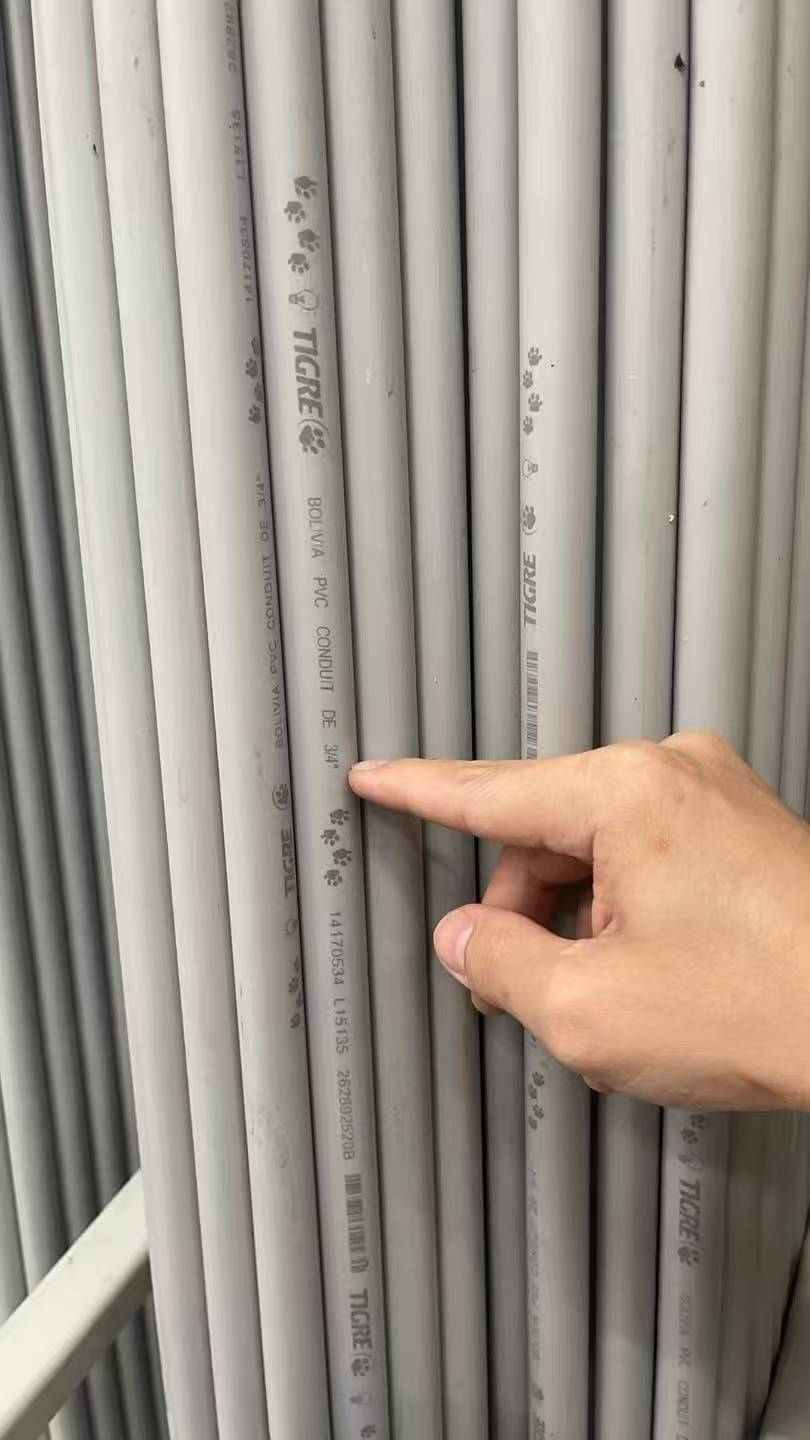
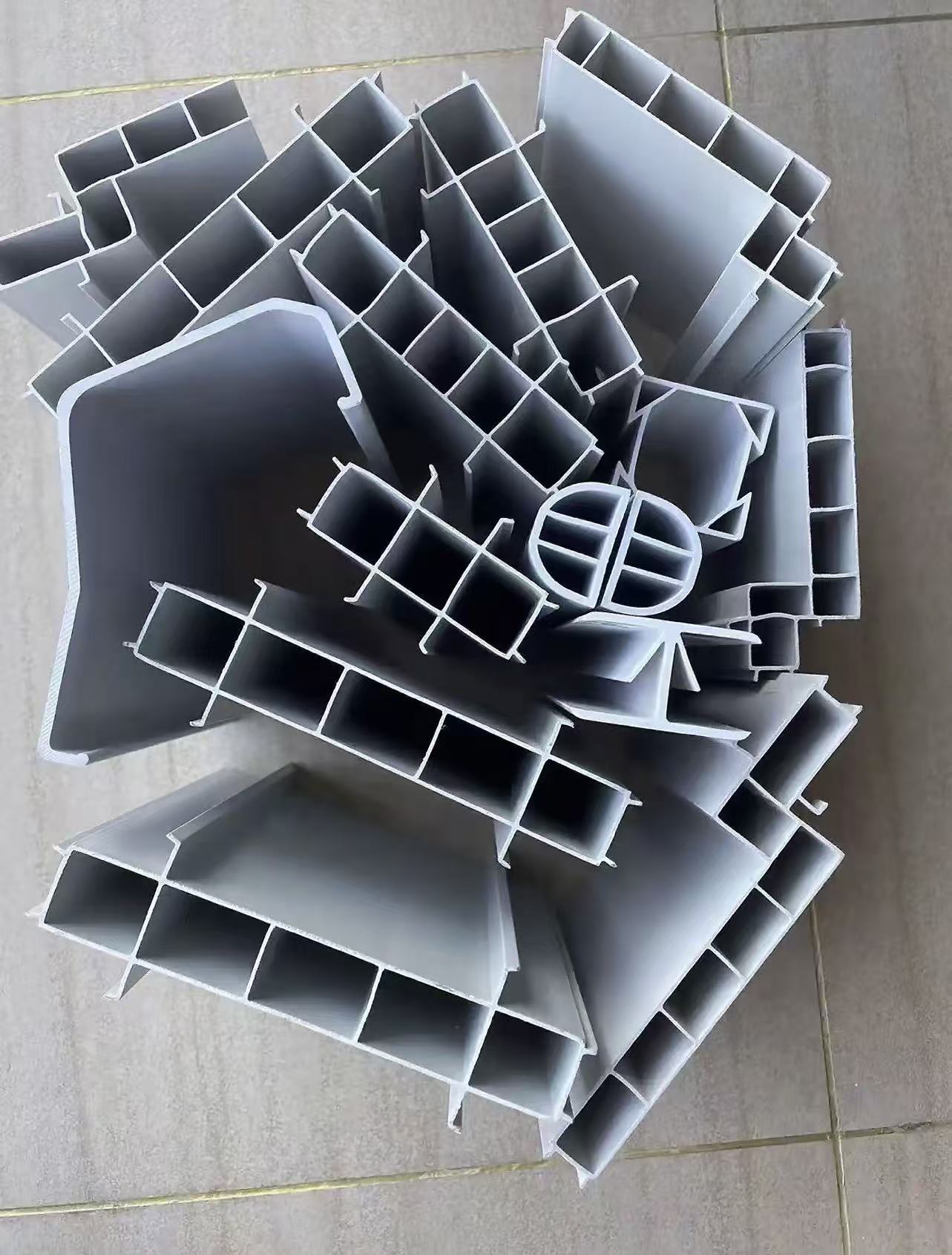
The construction industry is one of the largest users of PVC granules. Rigid grades are commonly used for pipes, fittings, window and door profiles, skirting boards, flooring, cable conduits, and other building components.
Their excellent weather resistance, flame-retardant properties, moisture resistance, and dimensional stability make PVC granules suitable for both indoor and outdoor applications. Flexible grades are also used for seals, gaskets, and expansion joints where elasticity and durability are required.
Recommend: ➤Hạt nhựa PVC dành cho ván khuôn xây dựng
-
PVC Granules for Wire and Cable Manufacturing
PVC granules are essential materials in the wire and cable industry due to their excellent electrical insulation, flexibility, and flame resistance. They are widely used for cable insulation, sheathing, communication cables, and power transmission applications.
Cable-grade PVC granules are formulated with specific additives to improve thermal stability, mechanical strength, and safety performance. Many specialized grades are designed to meet requirements such as RoHS, REACH, and other industry standards.
Recommend: ➤Hạt nhựa PVC dùng cho ống dẫn dây điện ➤Hạt nhựa PVC dùng cho cáp mạng linh hoạt
-
PVC Granules for Automotive Products
PVC granules play an important role in automotive manufacturing, where they are used for interior components, seals, gaskets, wiring protection, and exterior profiles.
Automotive-grade PVC compounds are designed to withstand temperature fluctuations, UV exposure, chemicals, and long-term mechanical stress. Low-odor and low-fogging formulations are commonly used for interior applications, while flexible grades provide the elasticity required for seals and protective components.
-
PVC Granules for Footwear, Toys and Consumer Products
The consumer products industry also relies heavily on PVC granules for their flexibility, durability, and cost efficiency. They are commonly used in footwear such as slippers, sandals, rain boots, and shoe soles, as well as toys, sporting goods, and other molded products.
By adjusting the formulation, manufacturers can achieve different levels of softness, transparency, wear resistance, and impact strength to meet specific product requirements.
Recommend: ➤PVC Granules for Toy & Model Components
-
PVC Granules for Medical and Packaging Applications
Specialized medical-grade PVC granules are used in products requiring high purity and safety performance, including medical tubing, IV bags, blood bags, and flexible medical containers. These materials are typically manufactured to meet strict requirements such as FDA, USP Class VI, and ISO 10993 standards.
In packaging applications, transparent PVC granules are valued for their excellent clarity, chemical resistance, and processability. They are commonly used for blister packaging, films, and other transparent packaging solutions.
3. What Types of PVC Granules Are Available?
PVC granules are available in a variety of formulations designed for different applications, processing methods, and performance requirements. Choosing the right type depends on factors such as flexibility, mechanical strength, processing conditions, and end-use environment.
The main categories include rigid PVC granules, flexible PVC granules, and process-specific grades optimized for extrusion, injection molding, and calendering applications.
Comparison of Different Types of PVC Granules
| Type of PVC Granules | Main Characteristics | Typical Applications | Key Advantages |
|---|---|---|---|
| Hạt nhựa PVC cứng | High strength, excellent dimensional stability, low plasticizer content | Pipes, profiles, fittings, construction products | Superior durability and structural performance |
| Hạt nhựa PVC dẻo | Contains plasticizers for improved flexibility and softness | Cables, hoses, flooring, medical products | Excellent flexibility and impact resistance |
| Extrusion-Grade PVC Granules | Optimized melt flow and thermal stability | Pipes, profiles, cable sheathing | Consistent processing performance |
| Hạt nhựa PVC đúc phun | Good flowability and molding efficiency | Automotive parts, fittings, consumer products | Suitable for complex molded components |
| Calendering-Grade PVC Granules | Designed for uniform sheet formation | Films, flooring, sheets | Stable processing and smooth surface quality |
The following sections explain the characteristics and applications of each major PVC granule type.
3.1 Rigid PVC Granules
Rigid PVC granules, also known as PVC-U or uPVC, contain little to no plasticizer, giving them excellent strength, stiffness, and dimensional stability.
With typical hardness values of around 65–85 Shore D, rigid PVC compounds are designed for applications where structural performance and long-term durability are essential.
Common applications include water and drainage pipes, window and door profiles, ducts, wall panels, fittings, and other construction components. Due to their high mechanical strength and resistance to weathering, rigid PVC granules are widely used in building, infrastructure, and industrial applications.
3.2 Flexible PVC Granules
Flexible PVC granules contain plasticizers—typically around 25–50% by weight—to reduce hardness and improve elasticity. These additives allow the material to bend repeatedly without cracking, making it suitable for soft and flexible products.
With hardness typically ranging from 50–90 Shore A, flexible PVC granules are commonly used for electrical cables, wire insulation, hoses, flooring, seals, medical tubing, and other applications requiring flexibility and durability.
By adjusting the plasticizer system and additive package, manufacturers can customize flexible PVC compounds for different requirements, including softness, low-temperature performance, and chemical resistance.
3.3 Extrusion-Grade PVC Granules
Extrusion-grade PVC granules are specifically formulated for continuous extrusion processes. They provide stable melt flow, good thermal resistance, and consistent dimensional accuracy during high-volume production.
Typical applications include pipes, profiles, window frames, cable insulation, cable sheathing, films, and hoses. These granules must maintain uniform processing behavior throughout long production cycles to ensure product consistency and reduce manufacturing defects.
3.4 Injection Molding PVC Granules
Injection molding PVC granules are developed with improved flow characteristics to fill complex molds efficiently and produce precise components.
They are commonly used for fittings, automotive parts, electrical components, and consumer products where dimensional accuracy and surface quality are important. The right formulation helps achieve smooth molding performance, shorter cycle times, and consistent finished product quality.
3.5 Calendering-Grade PVC Granules
Calendering-grade PVC granules are designed for producing continuous sheets and films through the calendering process. They require excellent melt uniformity and surface stability to achieve consistent thickness and appearance.
Typical applications include PVC flooring, decorative films, synthetic leather, and sheet materials. These grades help manufacturers produce smooth surfaces with reliable mechanical properties and processing efficiency.
4. PVC Granules vs PVC Resin: What Is the Difference?
Understanding the difference between PVC resin and PVC granules is essential for manufacturers and procurement teams when selecting the right raw material for production.
PVC resin is the basic polymer material produced through the polymerization of vinyl chloride monomer. It usually appears as a fine powder and serves as the foundation for manufacturing PVC compounds. However, resin alone does not have the final properties required for most applications and must be combined with additives such as plasticizers, stabilizers, lubricants, fillers, and pigments.
PVC granules, on the other hand, are pre-compounded materials created by mixing PVC resin with specific additives and processing them into uniform pellets. These ready-to-use compounds are formulated to deliver targeted properties, such as flexibility, hardness, thermal stability, color, and chemical resistance.
The main difference lies in processing convenience and application readiness. PVC resin requires additional compounding steps before it can be processed into finished products, while PVC granules can usually be directly fed into extrusion or injection molding equipment. This reduces formulation complexity, improves production consistency, and helps manufacturers minimize processing risks.
Although some manufacturers—especially in rigid pipe production—still use PVC resin dry blends with additives, pre-formulated PVC granules are widely preferred for applications that require consistent performance, efficient processing, and customized material properties.
5. How to Choose the Right PVC Granules for Your Application?
Selecting the right Hạt nhựa PVC requires evaluating your product requirements, processing method, and technical specifications. The correct formulation helps improve production efficiency, reduce defects, and ensure reliable product performance.
5.1 Define Your Product Requirements
The first step is to identify the performance requirements of your final product.
- Các đặc tính cơ học
Hardness, flexibility, tensile strength, and impact resistance determine whether the material is suitable for a specific application. Rigid PVC granules with around 65–85 Shore D hardness are commonly used for pipes and profiles, while flexible PVC granules with 50–90 Shore A hardness are suitable for cables, hoses, and seals.
- Environmental Conditions
Consider the product’s operating environment, including temperature, UV exposure, chemical contact, and moisture. For example, cable-grade PVC granules are available in formulations designed for different temperature requirements, such as 70°C, 90°C, and high-temperature applications.
- Appearance Requirements
For products requiring specific visual properties, factors such as color consistency, transparency, and surface finish should also be considered.
5.2 Select PVC Granules Based on Processing Method
Different manufacturing processes require different PVC granule formulations.
- Extrusion Processing
Extrusion-grade PVC granules are designed for continuous production of pipes, profiles, cables, films, and hoses. They require stable melt flow and good thermal stability.
- Injection Molding Processing
Injection molding PVC granules provide good flowability and are suitable for fittings, automotive parts, and consumer products requiring accurate molding performance.
- Calendering Processing
Calendering-grade PVC granules are used for flooring, films, and sheets, requiring uniform melting behavior and consistent surface quality.
PVC Granules Selection Guide by Application and Processing Method
| Ứng dụng | Recommended PVC Granules Type | Phương pháp gia công | Key Selection Factors |
|---|---|---|---|
| Pipes and Profiles | Hạt nhựa PVC cứng | Extrusion | Stiffness, durability, dimensional stability |
| Cable Insulation and Sheathing | Hạt nhựa PVC dẻo | Extrusion | Electrical insulation, flexibility, temperature resistance |
| Automotive Components | Flexible or Rigid PVC Granules | Ép phun | Heat resistance, durability, low emissions |
| Flooring and Sheets | Calendering-Grade PVC Granules | Calendering | Surface quality, flexibility, processing stability |
| Medical Tubing | Medical-Grade Flexible PVC Granules | Extrusion | Purity, biocompatibility, compliance |
5.3 Check Technical Specifications and Quality Standards
Before purchasing Hạt nhựa PVC, buyers should review technical data sheets and confirm key performance indicators.
Important specifications include:
- Độ cứng: Rigid PVC typically ranges from 65–85 Shore D, while flexible PVC ranges from 50–90 Shore A.
- Density: Rigid grades are usually around 1.35–1.45 g/cm³, while flexible grades range from 1.16–1.90 g/cm³.
- Mechanical Performance: Tensile strength and elongation should match the requirements of the final product.
- Ổn định nhiệt: Stable processing performance is essential for extrusion and high-temperature applications.
- Moisture Content: Should generally remain below 0.3% to prevent processing defects.
By matching application requirements, processing conditions, and technical specifications, manufacturers can select the most suitable Hạt nhựa PVC for efficient and reliable production.
6. How to Choose a Reliable PVC Granules Supplier?
Selecting a reliable supplier requires more than comparing prices. Buyers should evaluate product quality, technical capability, compliance standards, and long-term supply reliability before making a purchasing decision.
6.1 Check Quality Control and Batch Consistency
Consistent quality is essential when sourcing polymer compounds for manufacturing. Reliable suppliers should maintain strict quality control systems to ensure stable performance between production batches.
Key factors to evaluate include:
- Uniform pellet size, shape, and color
- Hiệu suất gia công ổn định
- Controlled moisture content and impurity levels
- Complete technical data sheets and test reports
Stable material consistency helps reduce production issues, minimize waste, and improve the reliability of finished products.
6.2 Evaluate Custom Formulation Capabilities
Many industries require customized formulations rather than standard materials. A capable supplier should be able to adjust properties such as hardness, color, UV resistance, flame retardancy, and other additive requirements.
Customization is particularly important for applications with specific performance demands, including automotive components, medical products, electrical cables, and industrial applications.
6.3 Verify Certifications and Compliance
Different applications require different compliance standards. Before purchasing, buyers should confirm that suppliers can provide relevant certifications and supporting documentation.
Common requirements include:
- ISO 9001 for quality management
- RoHS and REACH for electrical applications
- UL standards for cable-related products
- FDA, USP Class VI, or ISO 10993 for medical applications
Suppliers with complete compliance documentation can help reduce regulatory risks and support smoother product approval processes.
7. Common Mistakes When Buying PVC Granules
Even experienced buyers can make costly mistakes when sourcing plastic compounds. Understanding common risks helps ensure better material selection and long-term production stability.
7.1 Choosing Only Based on Price
The lowest-priced materials may contain excessive fillers, inconsistent additives, or lower-quality raw materials, which can lead to processing difficulties and reduced product performance.
Instead of focusing only on purchase price, buyers should consider total cost factors, including production efficiency, scrap rates, maintenance requirements, and product reliability.
7.2 Selecting the Wrong Grade for the Application
Different applications require different material formulations. Flexible grades are suitable for products requiring elasticity, such as cables, hoses, and seals, while rigid grades are designed for structural applications including pipes and profiles.
Using an unsuitable grade can result in poor performance, processing problems, or failure to meet application requirements.
7.3 Ignoring Processing Conditions
Material selection should always consider the actual manufacturing process and equipment. Factors such as extrusion temperature, molding conditions, and machine configuration can affect final product quality.
Testing samples under real production conditions before large-volume orders can help prevent unnecessary costs and quality issues.
Câu hỏi thường gặp
1. What are PVC granules used for?
They are widely used in construction materials, wire and cables, automotive parts, footwear, medical devices, and packaging products. Different formulations provide specific properties such as flexibility, durability, or chemical resistance.
2. What is the difference between PVC resin and PVC granules?
PVC resin is the raw polymer powder, while granules are pre-compounded materials containing additives such as plasticizers, stabilizers, and colorants. Granules can be directly processed into finished products.
3. Are PVC granules the same as PVC pellets?
Yes. The two terms are commonly used interchangeably to describe small pelletized PVC compounds used for manufacturing processes.
4. Which PVC granules are suitable for extrusion applications?
Extrusion-grade materials are designed for continuous processing and are commonly used for pipes, profiles, cables, films, and hoses. They require stable melt flow and good thermal performance.
5. How do I choose a reliable PVC granules supplier?
Consider factors such as quality control, customization capability, production capacity, and certifications including ISO 9001, RoHS, REACH, or FDA compliance where required.
Kết luận
PVC granules are essential materials used across industries, from construction and electrical systems to automotive, medical, and consumer products. Choosing the right formulation requires balancing application requirements, processing methods, and performance expectations.
Whether you need rigid compounds for structural applications, flexible grades for cables and hoses, or customized solutions for specialized products, selecting a reliable supplier is key to achieving consistent quality and production efficiency.
Looking for the right material solution? Liên hệ Dingshengtong to discuss your requirements, explore customized formulations, and request samples for testing before production.