Introduction
From the cables powering your home to the soles beneath your feet, soft PVC granules are everywhere. These versatile plastic pellets serve as the raw material for countless products across industries as diverse as automotive, healthcare, construction, and consumer goods. But what exactly can you manufacture with soft PVC granules? The answer spans more applications than most people realize, making this material one of the most adaptable compounds in modern manufacturing.
What Exactly Are Soft PVC Granules?
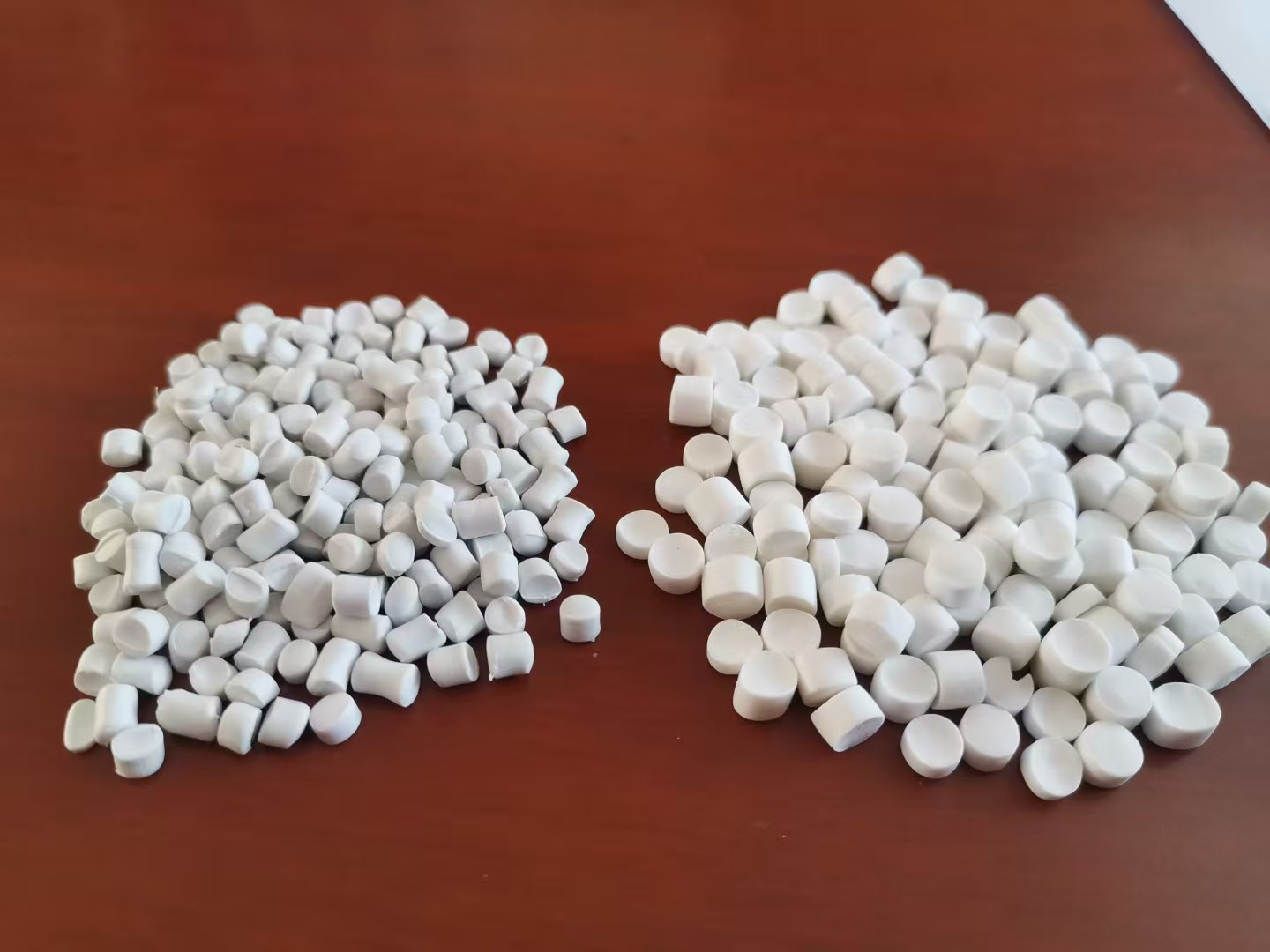
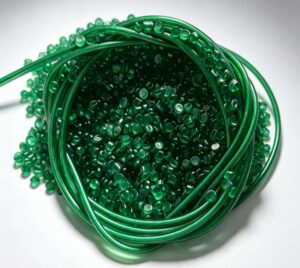
Before exploring the applications, it helps to understand what soft PVC granules actually are. These are compounded plastic pellets made from polyvinyl chloride resin combined with plasticizers, stabilizers, lubricants, and other additives. The plasticizers are what give soft PVC its characteristic flexibility—without them, PVC would be rigid and brittle.
The manufacturing process involves mixing PVC resin with these additives, then processing the blend through a twin-screw extruder to create uniform granules. The result is a consistent, easy-to-process raw material ready for extrusion or injection molding. Soft PVC compounds can be customized across a wide range of Shore A hardness levels—from as soft as 30 Shore A to firmer grades exceeding 90 Shore A—and can be produced in virtually any color, from crystal clear to opaque black.
What Products Can Be Manufactured with Soft PVC Granules?
-
Wire and Cable Manufacturing
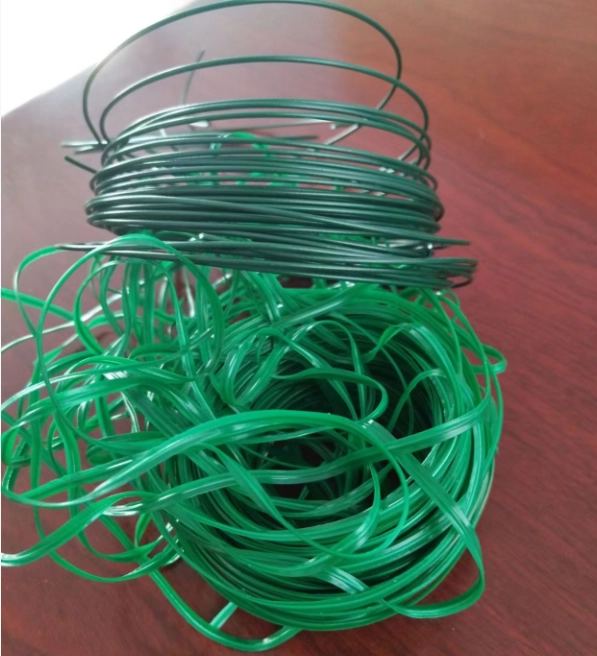
Wire and cable manufacturing is one of the largest applications of soft PVC granules. Thanks to their excellent electrical insulation, flexibility, and durability, flexible PVC compounds are widely used for cable insulation, protective jacketing, wire sheaths, and automotive wiring harnesses.
Soft PVC granules help manufacturers produce cables that can withstand repeated bending, mechanical stress, and long-term use. Different formulations can also be customized with flame-retardant properties and enhanced temperature resistance to meet specific industry requirements, including RoHS and REACH compliance.
-
Footwear Production
The footwear industry uses soft PVC granules to manufacture shoe soles, sandals, slippers, boots, and other flexible footwear components.
PVC footwear compounds are available in foamed and non-foamed grades. Foamed PVC provides lightweight construction and cushioning performance, while non-foamed grades offer higher durability and wear resistance for products such as rain boots and safety footwear.
With excellent molding performance, color flexibility, and adjustable hardness, soft PVC granules allow manufacturers to develop footwear products with different designs, textures, and comfort levels.
-
Automotive Components
Soft PVC granules are widely used in automotive interiors and electrical systems due to their durability, flexibility, and soft-touch characteristics.
Common applications include dashboards, door panels, trim parts, seals, gear knobs, and automotive wiring insulation. PVC compounds can also provide resistance to heat, oil, and chemicals, making them suitable for demanding automotive environments.
-
Medical Devices and Healthcare Products
Medical-grade soft PVC granules are widely used for healthcare products such as IV tubing, blood bags, oxygen masks, and fluid containers.
For medical applications, manufacturers typically require PVC compounds with high transparency, flexibility, chemical compatibility, and strict quality consistency. Specialized formulations, including non-phthalate and DEHP-free options, are available for applications requiring enhanced safety performance.
-
Hose and Tubing Applications
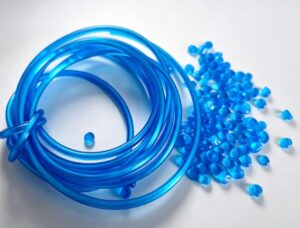
Soft PVC granules are commonly used to produce transparent hoses, garden hoses, and industrial tubing. Their flexibility, weather resistance, and excellent extrusion performance make them suitable for fluid transfer applications.
Transparent PVC hoses are especially valuable because they allow users to monitor fluid flow and quickly identify blockages or contamination. Customized formulations can also provide improved pressure resistance, durability, and chemical compatibility.
-
Construction Materials
In the construction industry, soft PVC granules are used for products such as seals, gaskets, flexible profiles, flooring materials, and protective components.
Their resistance to moisture, chemicals, and weather conditions makes flexible PVC suitable for both indoor and outdoor applications. PVC-based sealing products also help improve durability and prevent leakage in various building systems.
-
Consumer Products
Beyond industrial applications, soft PVC granules are also used in many consumer products, including tool grips, stationery, sports equipment, household accessories, and decorative items.
The ability to customize hardness, color, texture, and transparency allows manufacturers to create products that combine functionality, appearance, and user comfort.
Soft PVC Granules vs. Alternative Materials
Understanding the applications of soft PVC granules also means understanding how they compare to alternative materials. The table below highlights key differences across critical performance and economic metrics.
| Characteristic | Soft PVC Granules | Thermoplastic Rubber (TPR/TPE) | Silicone | Polyurethane (PU) |
|---|---|---|---|---|
| Flexibility Range | Very wide (30A to 95A Shore) | Wide | Wide | Moderate to wide |
| Cost per Unit | Low to moderate | Moderate | Cao | Moderate to high |
| Khả năng gia công | Excellent for extrusion & injection | Good | Fair to good | Good |
| Chemical Resistance | Tuyệt vời | Good | Tuyệt vời | Moderate to good |
| UV/Weather Resistance | Good with stabilizers | Good | Tuyệt vời | Moderate |
| Recyclability | Yes | Yes | Limited | Limited |
| Regulatory Compliance | RoHS, REACH, FDA grades available | Varies | FDA grades available | Varies |
| Transparency Options | Excellent, crystal clear available | Limited | Good clarity | Limited |
Soft PVC granules offer a compelling value proposition: they deliver performance comparable to or better than many alternatives at a significantly lower cost. The material’s excellent processability translates to faster cycle times and lower energy consumption during manufacturing.
How to Choose Soft PVC Granules for Different Manufacturing Applications?
Selecting the right soft PVC granules is not only about choosing a flexible plastic material. Different manufacturing applications require different combinations of hardness, flexibility, durability, processing performance, and regulatory compliance. A PVC granule formulation that works well for cable insulation may not deliver the same performance in footwear, medical tubing, or automotive components.
Manufacturers should evaluate the final product requirements, production process, and operating environment before selecting soft PVC granules. The following considerations can help identify the most suitable grade for different applications.
Soft PVC Granules for Wire and Cable Manufacturing
For wire and cable production, soft PVC granules are mainly selected for their electrical insulation properties, flexibility, and long-term durability. Cable manufacturers typically prioritize factors such as dielectric strength, flame resistance, temperature stability, and aging performance.
Flexible PVC compounds used for cable insulation and jacketing usually require excellent bending resistance because cables may be repeatedly installed, moved, or exposed to mechanical stress. For applications in power cables, communication cables, and automotive wiring harnesses, manufacturers often choose PVC grades with specific flame-retardant additives and enhanced heat resistance.
When sourcing soft PVC granules for cable manufacturing, it is important to consider:
- Electrical insulation performance
- Operating temperature requirements
- Flame-retardant properties
- Compliance with standards such as RoHS and REACH
Soft PVC Granules for Footwear Production
Footwear manufacturers select soft PVC granules based on comfort, abrasion resistance, molding performance, and appearance requirements. The hardness level plays a key role in determining the final feel and performance of shoe soles and other components.
Softer PVC grades are often used for lightweight sandals, slippers, and flexible footwear components, while harder formulations provide better support and wear resistance for boots, safety footwear, and industrial shoes.
Key factors to consider for footwear applications include:
- Shore A hardness requirements
- Slip and abrasion resistance
- Color consistency
- Surface finish and texture
- Injection molding performance
Customized soft PVC granules with different hardness levels and colors allow footwear manufacturers to achieve specific product designs while maintaining production efficiency.
Soft PVC Granules for Medical Tubing and Healthcare Products
Medical applications require soft PVC granules with strict quality control and consistent performance. Materials used for medical tubing, IV bags, blood bags, and other healthcare products must meet demanding requirements for flexibility, clarity, safety, and chemical compatibility.
For these applications, manufacturers typically look for:
- High transparency for visual inspection
- Excellent flexibility and kink resistance
- Medical-grade formulations
- Non-phthalate or DEHP-free options when required
- Compatibility with sterilization processes
Choosing the appropriate medical-grade PVC compound is essential because even small variations in formulation can affect product safety and performance.
Soft PVC Granules for Hoses and Flexible Tubing
Soft PVC granules are widely used in the production of garden hoses, industrial hoses, and fluid transfer tubing due to their excellent flexibility and processability. For these applications, manufacturers need materials that can withstand repeated bending while maintaining structural integrity.
Important selection factors include:
- Flexibility at different temperatures
- Pressure resistance
- Weather and aging resistance
- Transparency requirements
- Chemical compatibility
For transparent hoses, crystal-clear soft PVC granules are often preferred because they allow users to monitor fluid flow and detect blockages or contamination.
Soft PVC Granules for Injection Molded Products
Injection molding applications require soft PVC granules with stable melt flow, good mold-filling performance, and consistent shrinkage control. These properties directly affect production efficiency and final product quality.
Common injection molded products include:
- Tool grips
- Seals and gaskets
- Automotive interior components
- Consumer goods
- Flexible plastic parts
Manufacturers should select PVC grades according to processing conditions, mold design, and required product characteristics. A properly formulated soft PVC compound can help reduce processing issues, improve surface quality, and maintain consistent production output.
Key Factors When Selecting Soft PVC Granules
Regardless of the application, manufacturers should evaluate several core factors before purchasing soft PVC granules:
Độ cứng: Different products require different flexibility levels, typically measured by Shore A hardness.
Processing method: Extrusion and injection molding require different melt characteristics and formulations.
Environmental requirements: Products exposed to heat, chemicals, UV radiation, or outdoor conditions may require specialized additives.
Regulatory standards: Industries such as medical, food packaging, and electrical applications often require specific certifications and compliance.
Customization needs: Color, transparency, hardness, and additive packages can often be adjusted according to specific product requirements.
By matching the PVC formulation with the final application, manufacturers can achieve better product performance, improve production efficiency, and reduce material-related issues during manufacturing.
Manufacturing Processes: Extrusion and Injection Molding
Soft PVC granules are designed for two primary manufacturing processes: extrusion and injection molding.
Extrusion involves feeding the granules into a heated barrel where they melt and are forced through a die to create continuous profiles. This process is used for manufacturing hoses, cables, pipes, tubing, profiles, and films. Processing temperatures typically range from 170°C to 180°C. High-quality formulations enable faster extrusion rates and more consistent output.
Injection molding involves melting the granules and injecting the molten material into a mold cavity under pressure. This process is used for manufacturing shoe soles, automotive components, toys, tool grips, and various complex parts. The melt temperature should not exceed 200°C, as PVC is heat-sensitive and decomposition could occur.
Both processes benefit from soft PVC’s excellent thermal stability and consistent melt behavior. Some grades are specifically formulated for particular processes—extrusion grades for profiles and pipes, and injection molding grades for complex parts.
Key Performance Properties
When selecting soft PVC granules for a specific product, manufacturers consider several key performance properties.
Tensile strength ensures the final product can withstand applied forces without failure. High-quality formulations deliver strong mechanical properties suitable for demanding applications.
Elongation at break indicates excellent flexibility and the ability to stretch without tearing. This property is particularly important for hoses, cables, and flexible components.
Aging resistance ensures a long service life. After thermal aging, tensile strength and elongation typically remain within acceptable ranges, demonstrating the material’s durability over time.
Thermal stability is critical for processing and long-term performance. Many formulations maintain stability at processing temperatures, ensuring consistent results.
Regulatory Compliance and Quality Standards
For many applications, regulatory compliance is non-negotiable. High-quality soft PVC granules meet a range of international standards:
-
RoHS (Restriction of Hazardous Substances) compliance is standard across the industry
-
REACH (Registration, Evaluation, Authorisation and Restriction of Chemicals) compliance ensures safety in European markets
-
Food contact grades are available for packaging and food handling applications
-
Medical grades meet USP Class VI biocompatibility requirements and European Pharmacopoeia standards
Environmentally friendly grades are increasingly available, supporting sustainability goals without compromising performance.
Market Trends Shaping the Future of Soft PVC Granules
Several trends are expanding the applications of soft PVC granules and driving innovation in the field.
Market growth continues to be robust. The global PVC granules market was valued at $47.84 billion in 2025 and is projected to grow at a CAGR of 5.02%, reaching $67.45 billion by 2032.
Medical applications continue to grow rapidly, driven by aging populations and expanding healthcare access globally.
Sustainability is a growing priority. Manufacturers are developing formulations with recycled content and non-phthalate plasticizers. The material’s recyclability makes it attractive for circular manufacturing models.
Automotive lightweighting and the shift toward electric vehicles are creating new opportunities for soft PVC in interior and wire harness applications.
Asia-Pacific growth—particularly in manufacturing hubs—continues to drive demand for soft PVC compounds across all application areas.
Kết luận
Soft PVC granules enable manufacturers to produce a wide range of products, from cables and footwear to medical devices, automotive components, and flexible tubing. Their excellent flexibility, durability, processability, and cost-effectiveness make them an essential material across multiple industries.
Choosing the right PVC formulation and supplier is key to achieving consistent quality and reliable performance. Whether you need customized hardness, color, transparency, or specific compliance requirements, our team can help you find the right soft PVC granules solution for your manufacturing needs.
Please feel free to contact us anytime with any questions or needs.