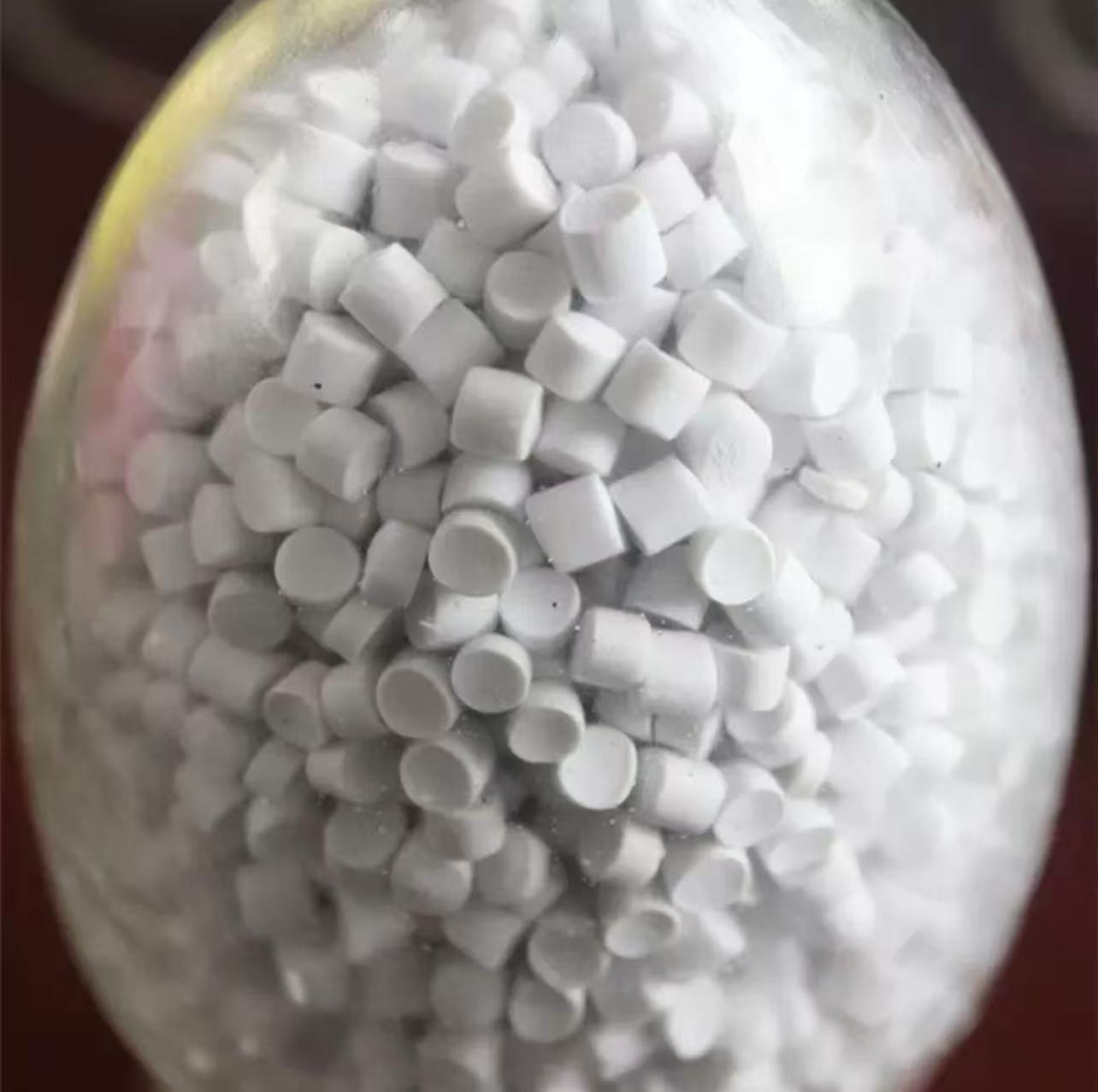

PVC Compound for Network Cables
PVC Network Cable Compound is a specialized modified PVC material designed for the insulation and sheathing of network cables. It serves as a core raw material in network cable production, offering advantages such as low cost and excellent insulation properties. Below is a complete product profile covering core characteristics, common grades, production process, application scenarios, and market information.
Core Characteristics
-
Insulation and Signal Integrity: Excellent high-frequency insulation properties, with dielectric strength typically ≥15 kV/mm. Effectively isolates electrical interference, ensures stable network signal transmission, prevents signal attenuation or leakage, and meets the data transmission requirements of network cables.
-
Outstanding Safety Protection: Inherent self-extinguishing properties due to chlorine content. When combined with flame-retardant additives, it can achieve the UL94 V-0 flame retardant standard, preventing flame spread in case of fire. It also offers resistance to acids, alkalis, and abrasion, protecting against chemical corrosion and physical friction during installation, thereby extending the cable’s service life.
-
Strong Processing Compatibility: Primarily an extrusion-grade formulation with stable flow properties. Dry flow time is typically 2.0 – 6.0 s/400cm³, with strict control of “fish eyes” (unmelted particles). It melts and forms easily during processing, ensuring precise coating of copper conductors. The resulting insulation layer has uniform thickness and a smooth surface, making it well-suited for the continuous extrusion production of network cables.
-
Customizable Formulation: Flexibility can be adjusted by modifying plasticizer content to suit network cables with different bending requirements. Additives such as UV stabilizers and anti-aging agents can be incorporated to meet the weather resistance needs of outdoor cabling. Common sheath colors like black or gray can also be customized.
Common Grades and Specifications
Various grades suitable for network cable production are available on the market, with naming conventions varying slightly between manufacturers. Some common types include:
| Grade | Related Properties | Application Scenario |
|---|---|---|
| J-70, H-90 | Special grade for wires and cables; moderate hardness; good processing flow | Insulation and sheathing for standard indoor network cables |
| ZRJ-70 | Labeled for flame retardancy; enhanced flame-retardant performance | Network cables for server rooms, office buildings, and other scenarios with high fire safety requirements |
| SG5 | Extrusion grade; polymerization degree suitable for network cable processing; cost-effective | High-volume production of standard household and commercial network cables |
| NP-XC 50 P | Gray extrusion grade; features prominent aging resistance and flame retardancy | Sheathing for network cables used in outdoor, exposed wiring |
Production Process
The production involves targeted modification of base PVC resin to meet network cable requirements. The core process is as follows:
-
Batching and Mixing: PVC resin is combined with plasticizers, flame retardants, heat stabilizers, antioxidants, and other additives in specific proportions and fed into a high-speed mixer. The materials are stirred uniformly at a controlled temperature to ensure thorough dispersion of the additives.
-
Melting and Plastification: The mixed compound is fed into a twin-screw extruder. The temperature is carefully controlled between 160 – 200°C to prevent PVC decomposition, melting the material into a homogeneous melt.
-
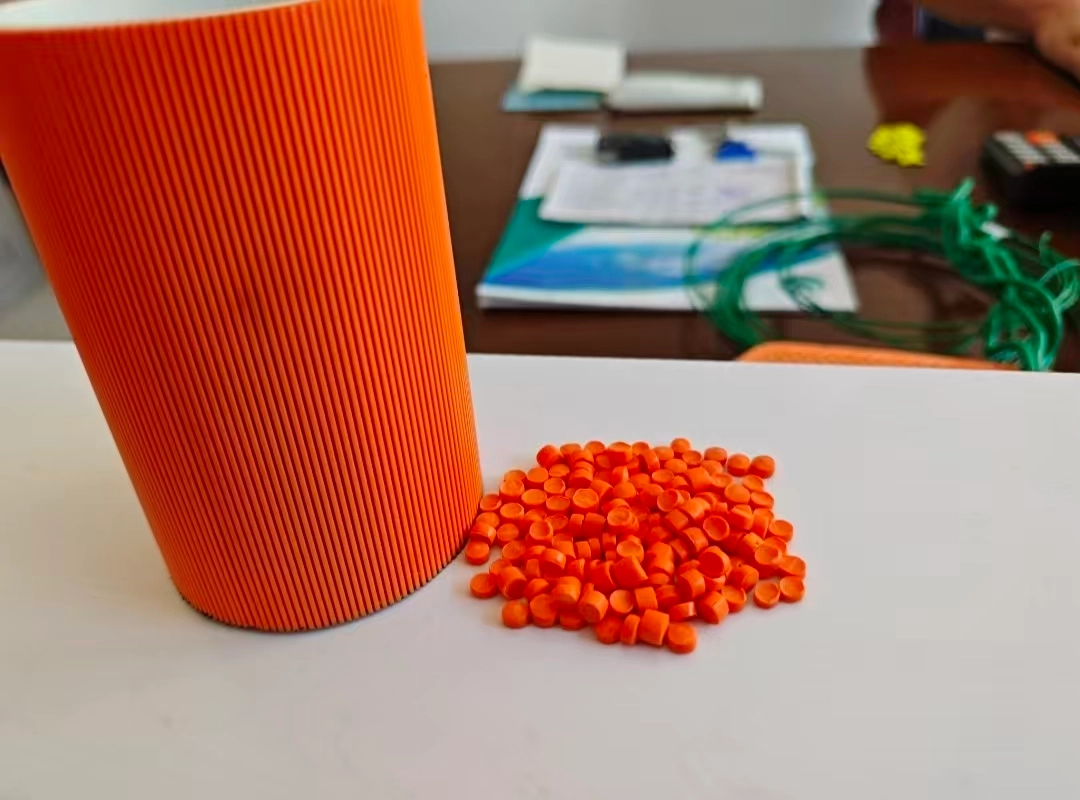
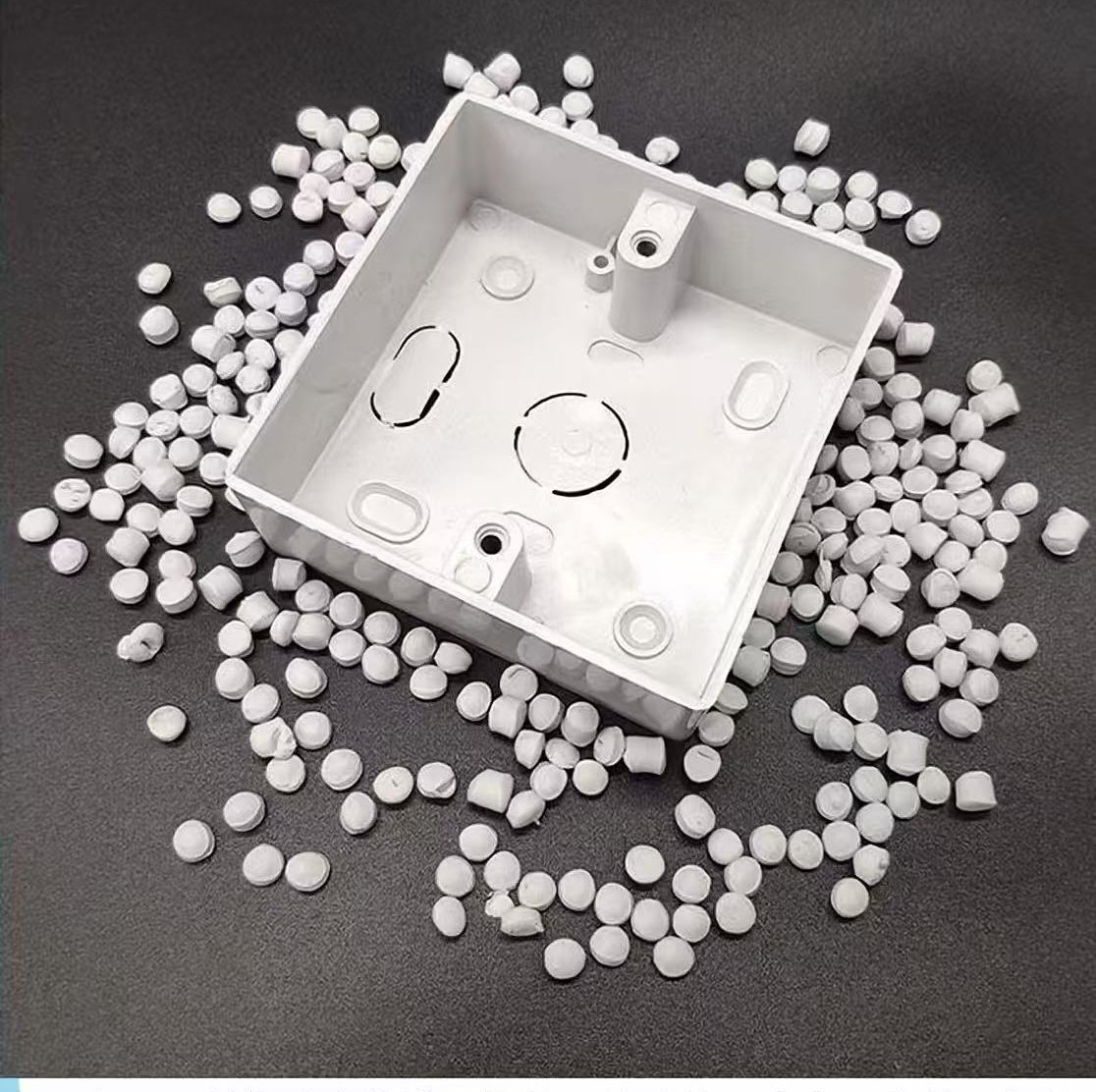
Pelletizing and Screening: The melt is extruded through a die, cooled by water, and then cut into uniform pellets by a pelletizer. Finally, impurities and substandard pellets are removed by screening, and the合格的 pellets are dried and packaged for storage.
Application Scenarios
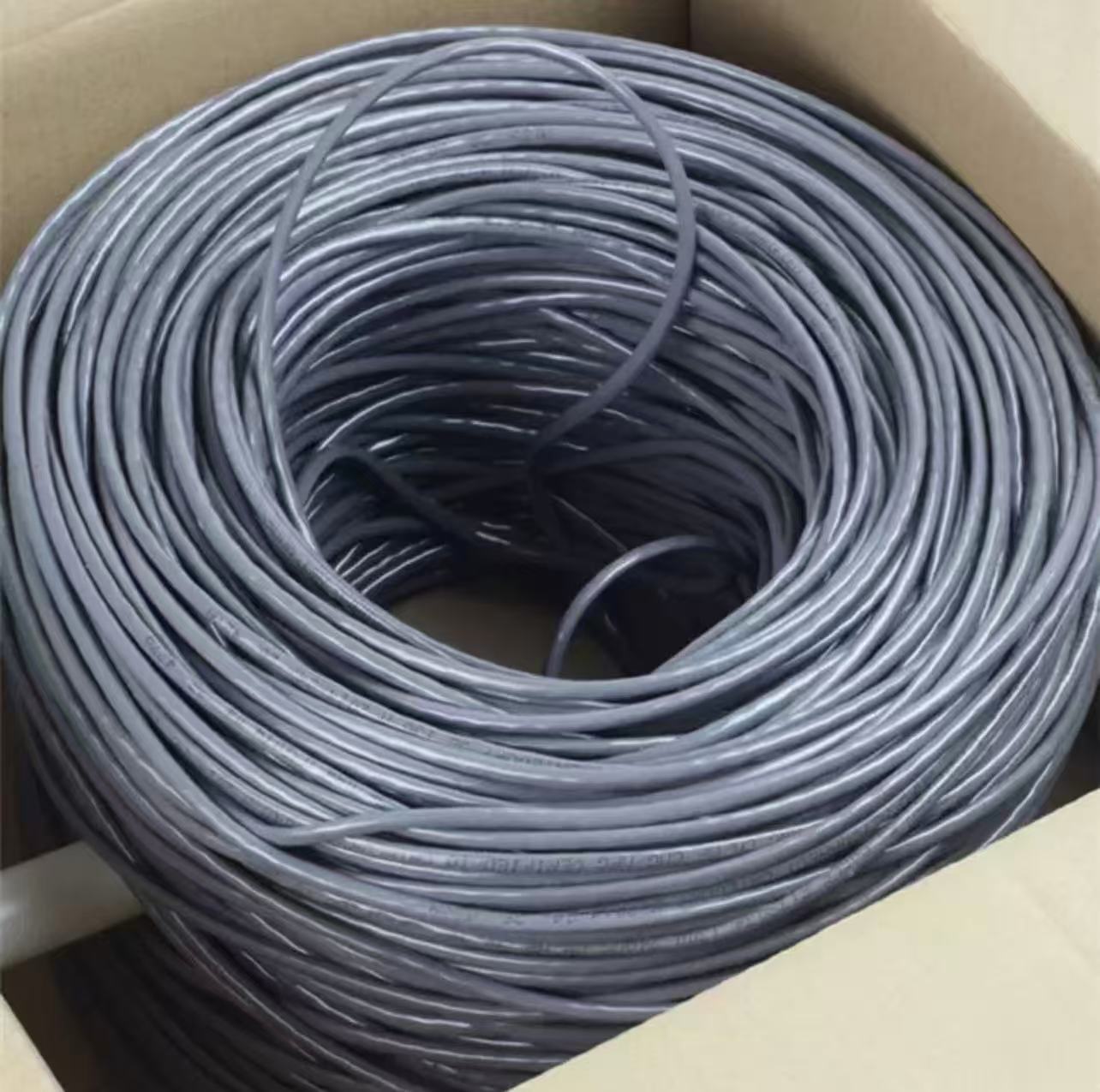
This compound is primarily used for key components of various Ethernet network cables. It is applied as the insulation layer for common cable specifications like CAT5 and CAT6, wrapping the internal copper conductors to prevent signal interference. It is also used for the overall outer sheath of network cables, providing comprehensive protection.
It is suitable for:
-
Home renovation wiring
-
Enterprise office network cabling
-
Data center and server room cabling
-
Network cables for outdoor surveillance and equipment connections (using UV-resistant modified grades)