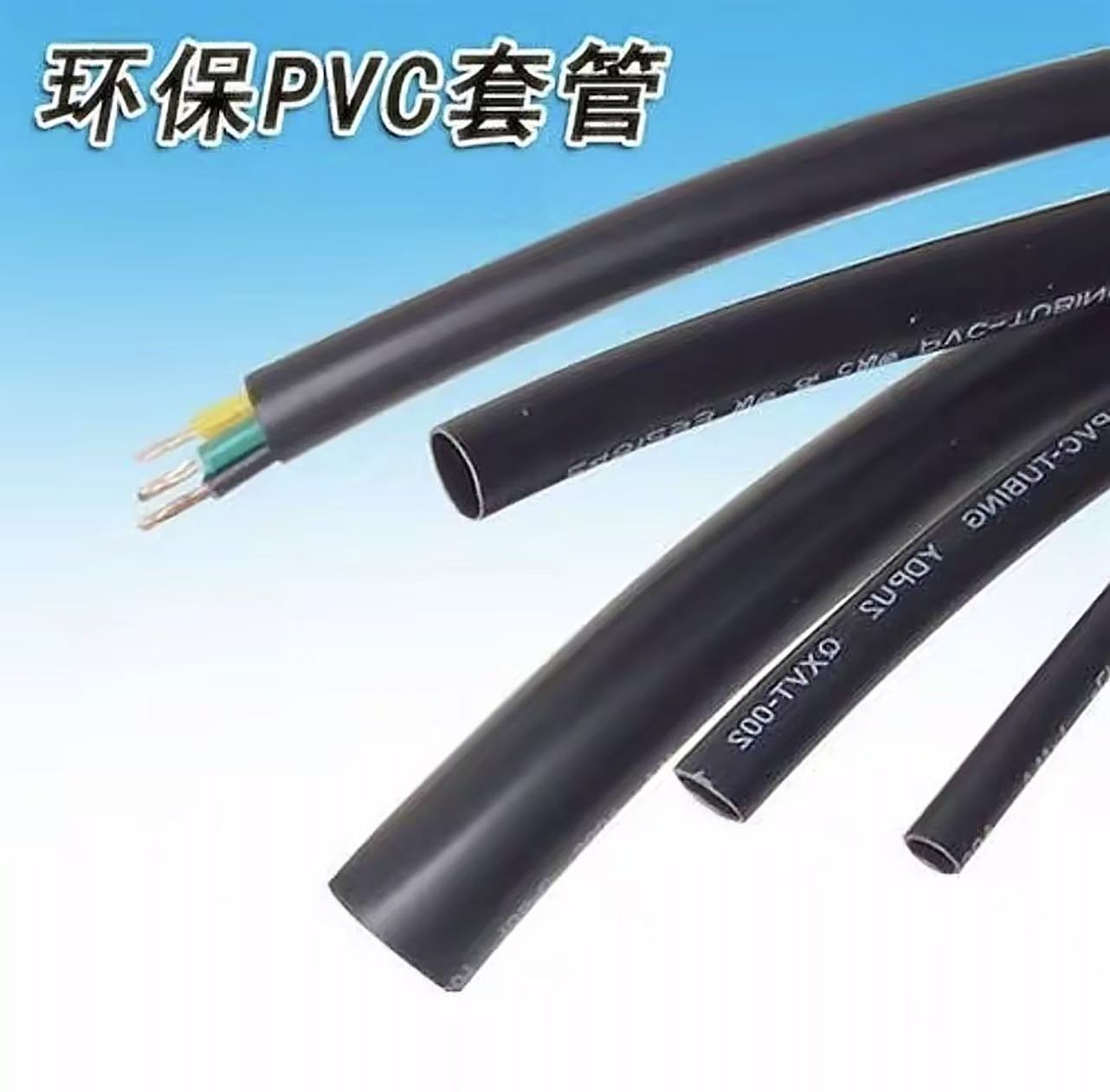
Electric Cable Manufacturing Process Using PVC Granules
The manufacturing of electric cables with PVC insulation or sheathing typically involves the following eight major steps:
1. Raw Material Preparation
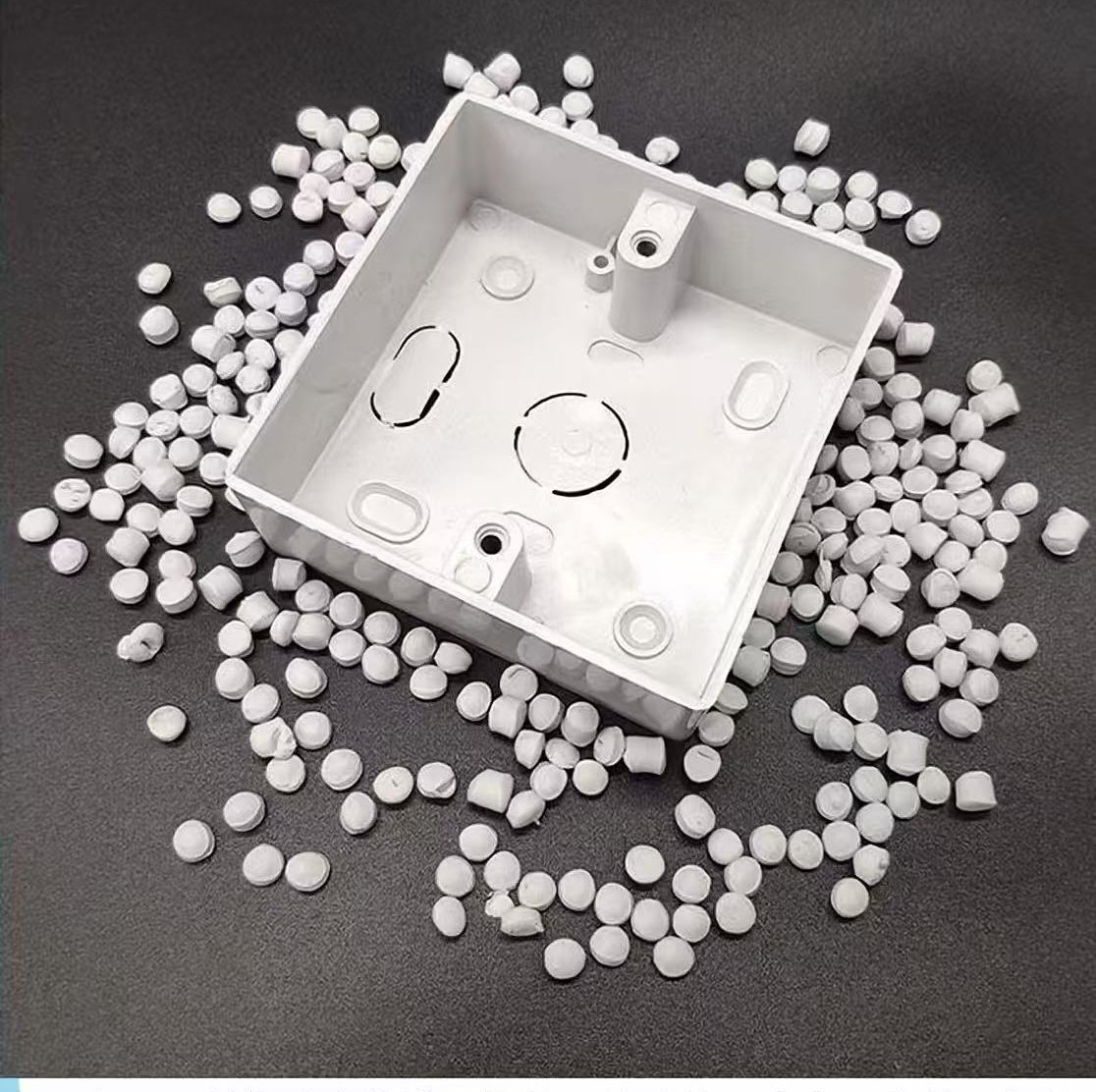
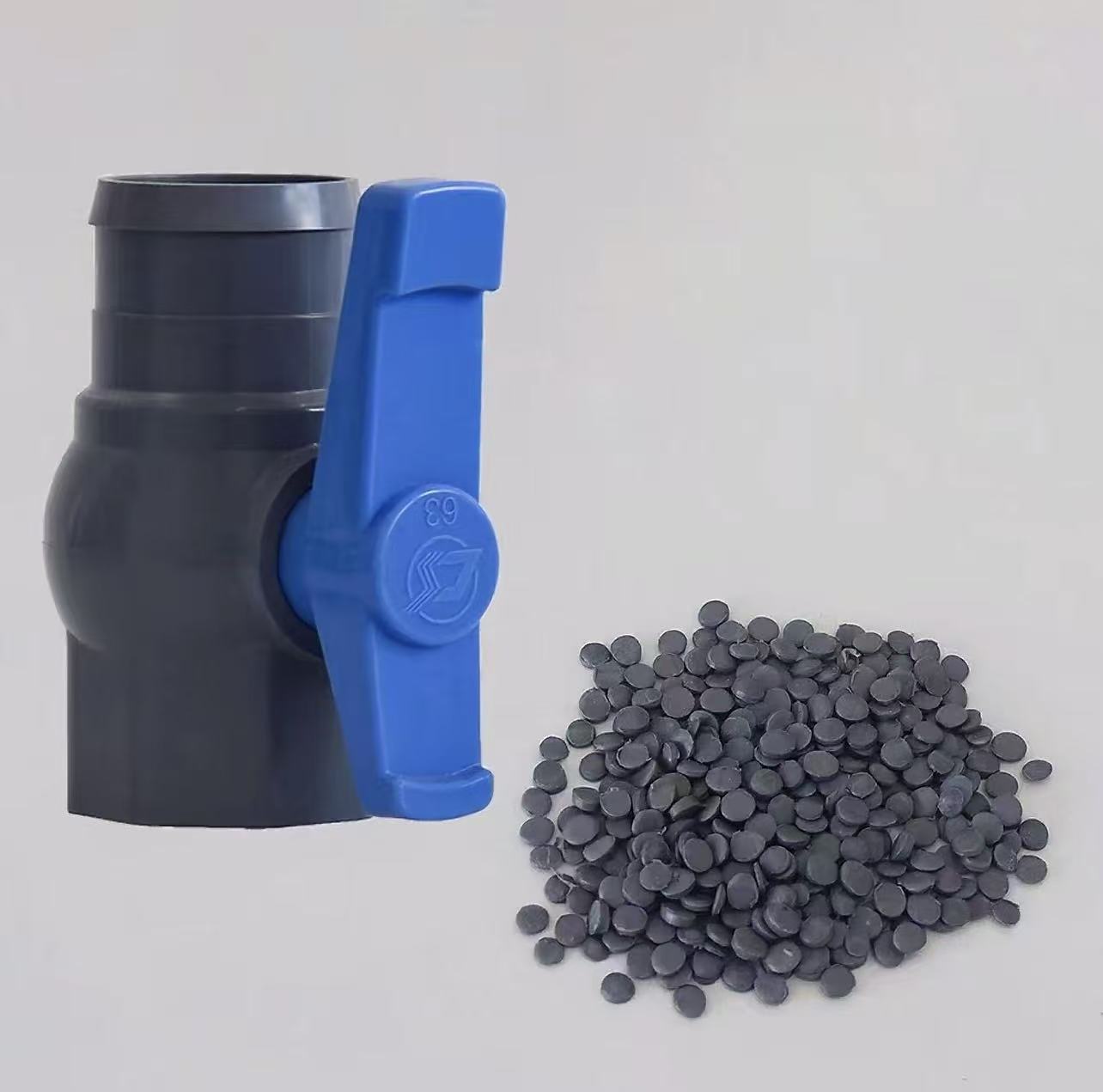
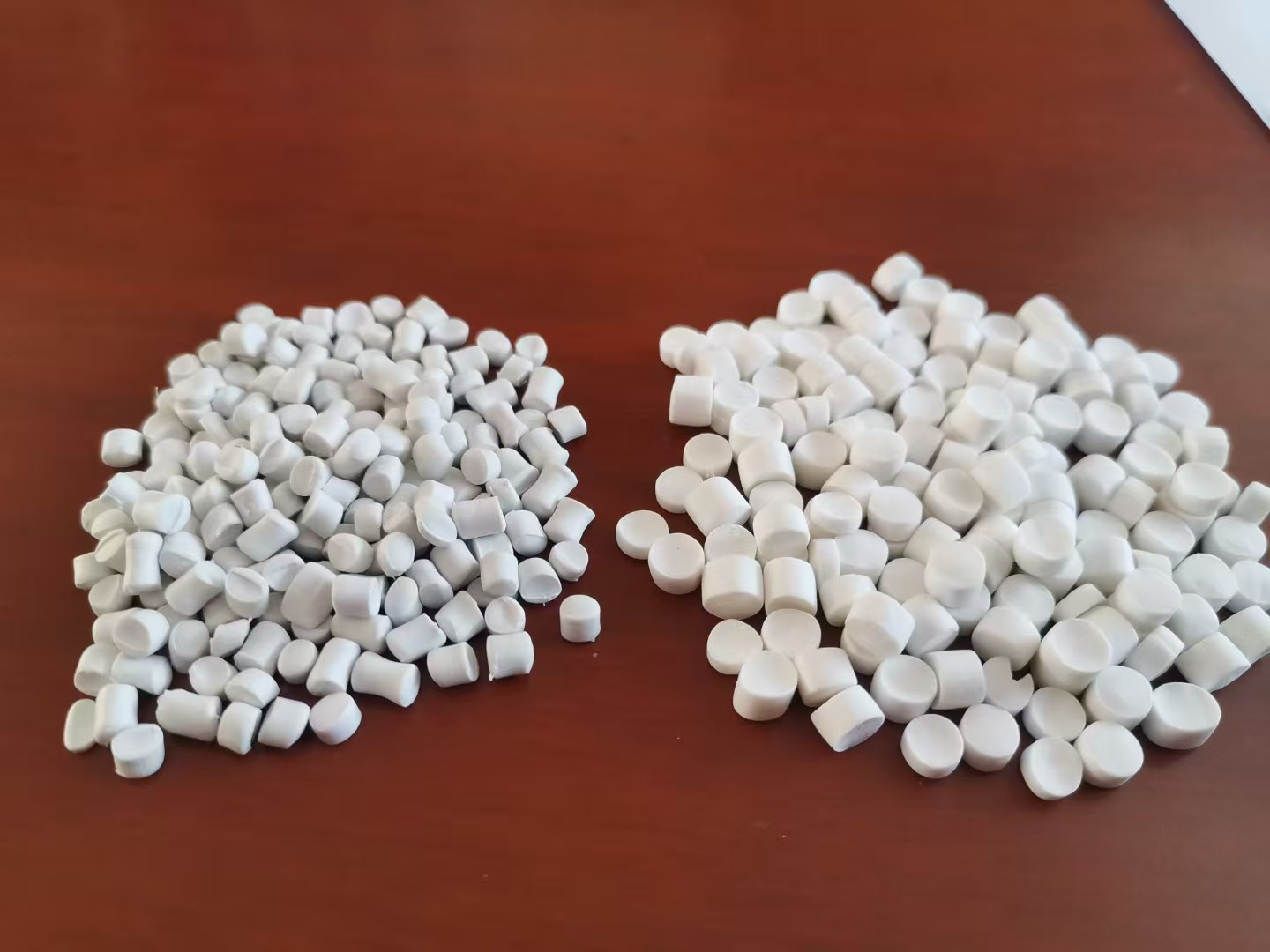
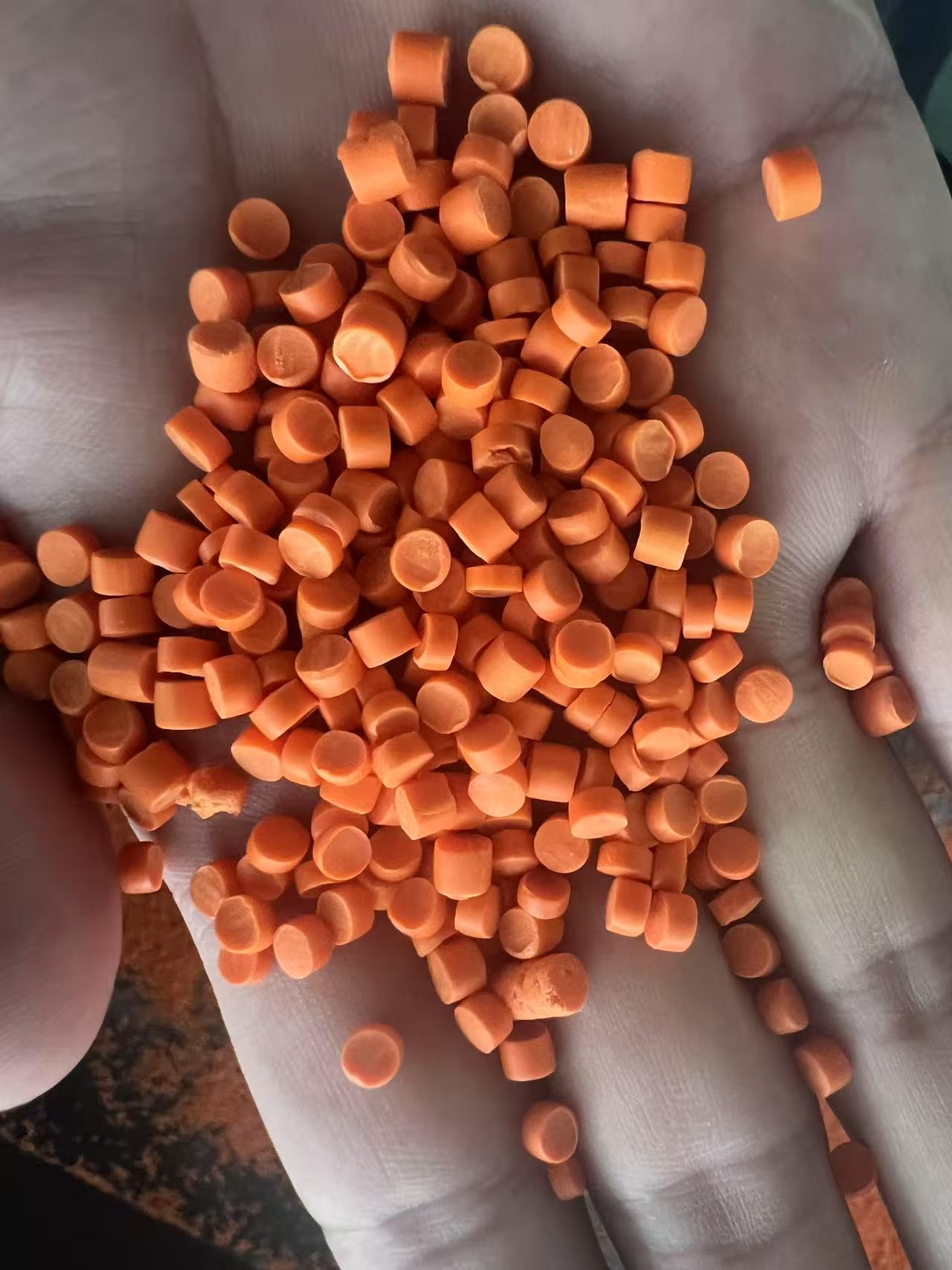
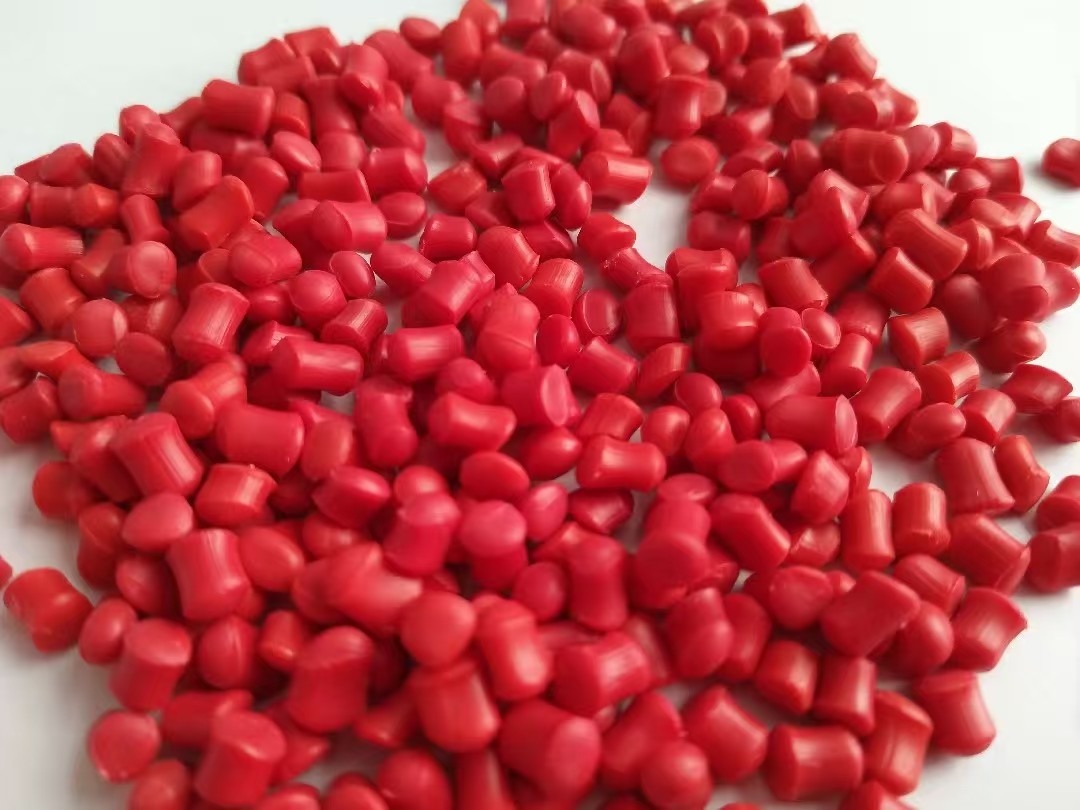
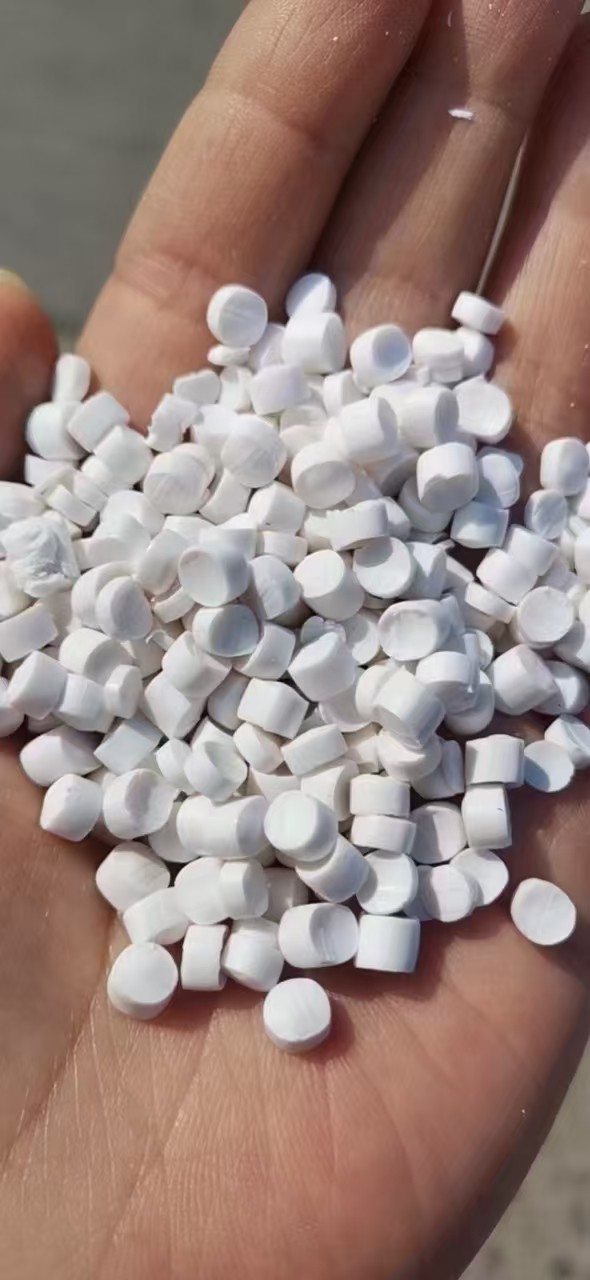
PVC Granules Selection
Factories choose specific PVC compounds depending on cable type:
-
PVC insulation granules (for conductor insulation)
-
PVC sheathing granules (for outer jacket protection)
-
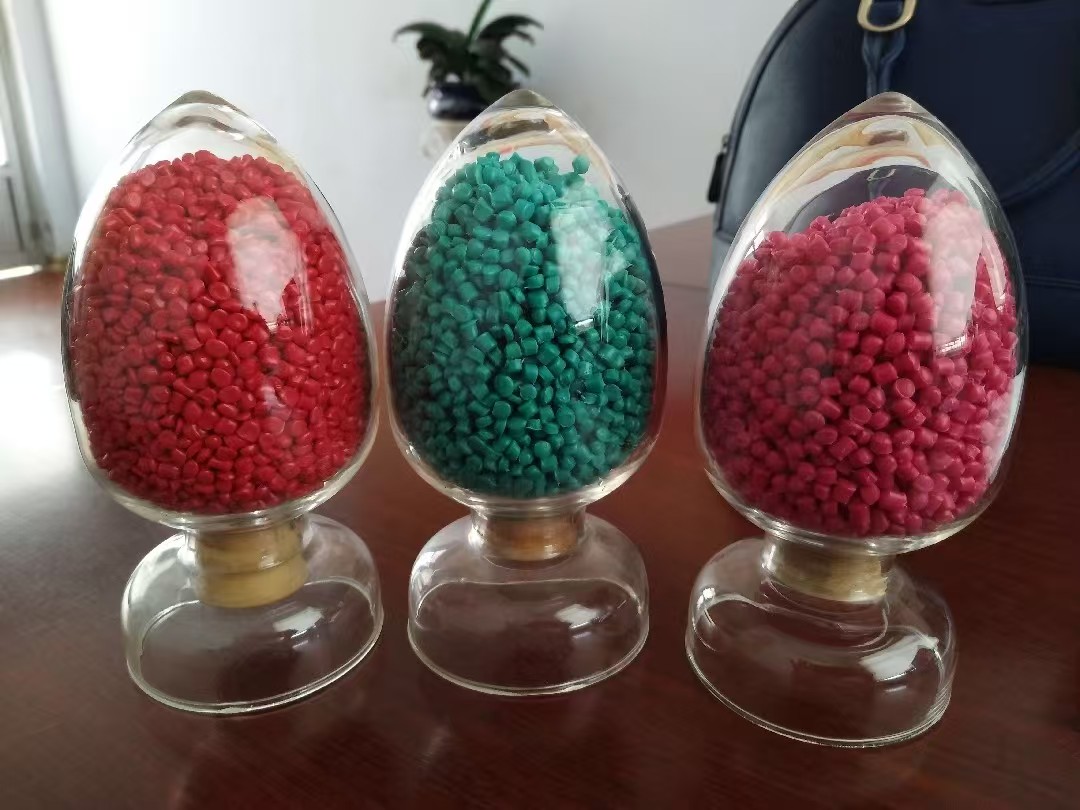
Specialized PVC compounds (e.g., flame-retardant, low-smoke, high-flexibility, anti-cold)
Before use, PVC granules are normally:
-
dried (to remove moisture)
-
pre-mixed with stabilizers or color masterbatch (if needed)
2. Copper/Aluminum Wire Drawing
Large copper or aluminum rods are drawn through a series of dies to reduce the diameter.
Process:
Rod → Annealing machine → Multi-die drawing → Fine wire → Take-up reel
The goal is to produce smooth, uniform strands suitable for conductor stranding.
3. Conductor Stranding
Multiple drawn wires are twisted together to form a conductor with:
-
higher flexibility
-
better electrical performance
Types of stranding:
-
Tight-stranded
-
Sector-shaped
-
Concentric
-
Compacted (for power cables)
4. PVC Granules Extrusion for Insulation
This is the critical stage where PVC granules are melted and applied onto the conductor.
Extrusion Steps:
-
PVC granules fed into the extruder hopper
-
Heated in barrel (160–190°C depending on formulation)
-
Melt passes through screw compression
-
Melted PVC is extruded around conductor
-
Cooled in water trough
-
Spark tester checks insulation purity
Result:
A perfectly round PVC-insulated conductor.
5. Twisting / Cabling (If Multi-core Cable)
For multi-core cables (2, 3, 4, or more insulated wires), the insulated conductors are twisted together.
May include:
-
fillers
-
binding tape
-
separator layers
This ensures cable roundness and mechanical stability.
6. PVC Sheathing Extrusion (Outer Jacket)
A second extrusion process applies the outer PVC sheath.
PVC sheathing material must provide:
-
abrasion resistance
-
weather and UV resistance
-
flame retardancy
-
mechanical strength
Process is similar to insulation extrusion:
PVC granules → Extruder → Melt → Crosshead die → Cable sheathing → Cooling → Printing
7. Printing & Meter Marking
The finished cable is printed with:
-
cable type
-
size
-
voltage rating
-
length marking
-
manufacturing date / batch
Inkjet printers are used during line operation.
8. Winding, Packaging, and Quality Inspection
Final steps include:
-
winding onto coils or drums
-
visual inspection
-
electrical tests (resistance, dielectric strength, spark testing)
-
mechanical tests (tensile, elongation, ageing)
Once approved, cables are packaged and ready for shipment.