Introduction
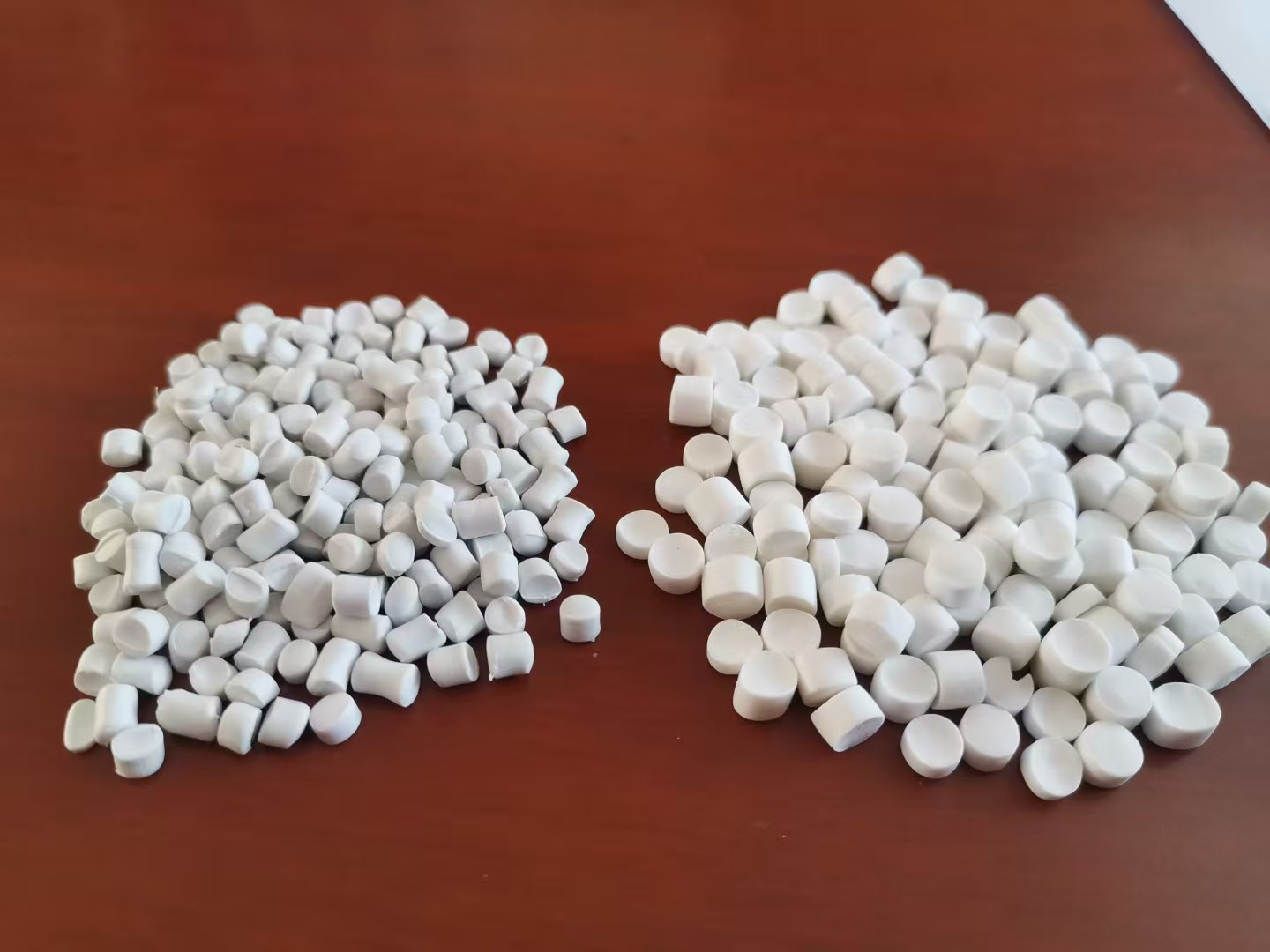
Struggling to choose between rigid and flexible PVC granules? While both are based on the same PVC resin, they deliver completely different performance characteristics. Rigid PVC offers strength, dimensional stability, and structural integrity, while flexible PVC provides elasticity, softness, and impact resistance.
This distinction makes material selection critical. Choosing the wrong compound can result in product failure, regulatory compliance issues, unnecessary tooling costs, and reduced product lifespan.
Polyvinyl chloride (PVC) remains one of the world’s most widely used thermoplastics, with applications ranging from construction pipes and window profiles to medical tubing and electrical cable insulation. Its versatility is precisely what makes selecting the right formulation so important.
In this guide, we’ll compare rigid and flexible PVC compounds across properties, applications, processing requirements, regulations, and cost considerations to help you determine which option best fits your product needs.
The Fundamental Chemistry: What Dictates Rigidity?
To choose between the two, you must first understand what fundamentally separates them. The story begins with pure PVC resin. In its virgin state, PVC is a hard, brittle powder that is nearly useless for most commercial applications. Its polymer chains are highly polar and interact strongly through dipole-dipole forces, preventing them from moving freely past one another. This intrinsic rigidity is the foundation of Rigid PVC.
The Role of Plasticizers: The Key Differentiator
The transformation from a rigid to a flexible material is almost exclusively achieved through the addition of plastificantes. These are high-boiling, organic liquids that are compounded into the PVC resin. Plasticizer molecules act like microscopic lubricants, inserting themselves between the PVC polymer chains, neutralizing some of the intermolecular forces, and creating free volume. This allows the chains to slide and flex, dramatically transforming the material.
-
Rigid PVC (uPVC or RPVC): Formulated with little to no plasticizer (typically 0-5%). It retains the inherent hardness and strength of the polymer. Common hardness values range from 65 to 95 on the Shore D scale.
-
Flexible PVC (PVC-P): Contains a significant amount of plasticizer, typically 15% to over 50% by weight, depending on the desired softness. This shifts its hardness to the Shore A scale, commonly between 40 and 95 Shore A.
The very type of plasticizer also dictates a flexible compound’s properties. Traditional ortho-phthalates (like DOP, DINP) are cost-effective and provide excellent flexibility, but face increasing global regulatory pressure. Modern, non-phthalate alternatives like DOTP (Dioctyl Terephthalate), TOTM (Trioctyl Trimellitate), and bio-based plasticizers offer higher temperature resistance, lower migration, and enhanced toxicological profiles for sensitive applications like medical devices and food contact.
Beyond Plasticizers: The Role of Additives
The decision framework extends beyond just hardness. Both rigid and flexible compounds are complex formulations containing a synergistic blend of additives that fine-tune their final properties:
-
Stabilizers: Protect the polymer from thermal degradation during processing. Lead-based stabilizers are now largely phased out in favor of safer calcium-zinc (Ca/Zn) or organotin stabilizers.
-
Impact Modifiers: Crucial for rigid PVC, which can be notch-sensitive. Additives like acrylic or chlorinated polyethylene (CPE) significantly improve impact resistance without sacrificing rigidity.
-
Fillers: Calcium carbonate is commonly used to reduce cost and improve the modulus of flexible PVC, but excessive use can degrade tensile strength and color.
-
Lubricants and Processing Aids: Control melt viscosity and fusion characteristics, essential for high-output extrusion or complex injection molding.
A Side-by-Side Comparison of Core Properties
Understanding the technical data sheet is essential. Here is a comparative analysis of the key mechanical, thermal, and physical properties you will encounter.
| Propiedad | Rigid PVC (uPVC) | PVC flexible (PVC-P) |
|---|---|---|
| Dureza | 65-95 Shore D | 40-95 Shore A (approx. 10-45 Shore D) |
| Tensile Strength | High (35-60 MPa) | Low to Moderate (7-25 MPa) |
| Elongation at Break | Low (2-40%) | Very High (150-500%) |
| Módulo de flexión | High (2.1-3.5 GPa) | Very Low (0.01-0.1 GPa) |
| Specific Gravity | 1.35-1.46 g/cm³ | 1.15-1.35 g/cm³ (varies greatly with filler/plasticizer) |
| Punto de ablandamiento Vicat | 70-85°C | Often not applicable; depends on plasticizer type and can be below 50°C |
| Frágil a baja temperatura | Typically -10 to 0°C | Can be formulated down to -40°C or lower |
This table tells a clear story: Choose Rigid PVC when your application demands structural integrity, high modulus, and dimensional stability. Choose Flexible PVC when you need rubber-like elasticity, conformability, and ductility.

Application-Driven Selection: The Ultimate Deciding Factor
This is the most practical lens through which to view your choice. Let’s map compound types to their dominant application areas.
When to Choose Rigid PVC Compounds:
Rigid PVC’s strength and durability make it the material of choice for construction and structural applications. Its ability to withstand high water pressure, resist weathering, and offer a long service life is unmatched.
-
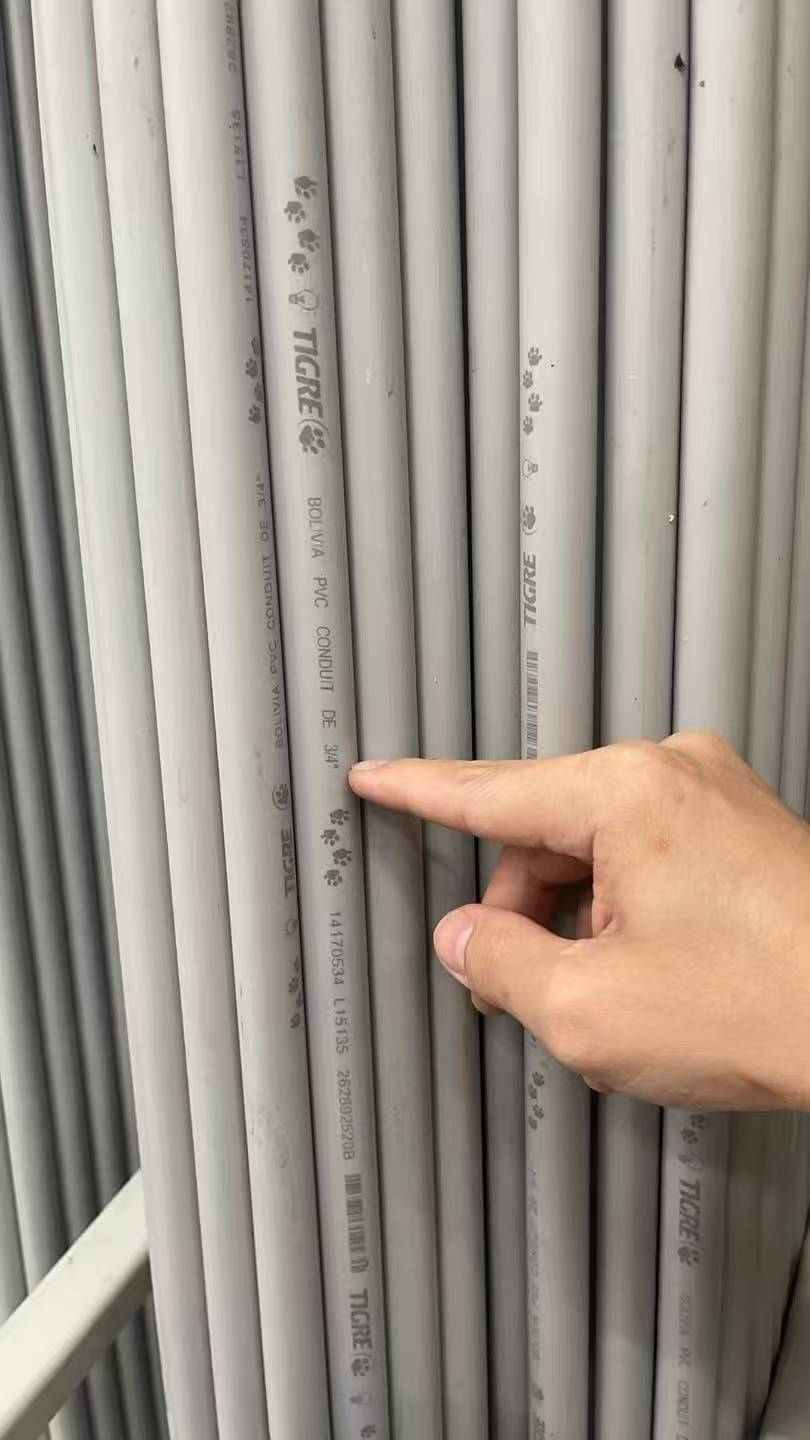
Pipes and Fittings: Pressure pipes, drainage/sewer pipes, electrical conduits, and window/door lineals demand the high modulus and creep resistance of rigid PVC.
-
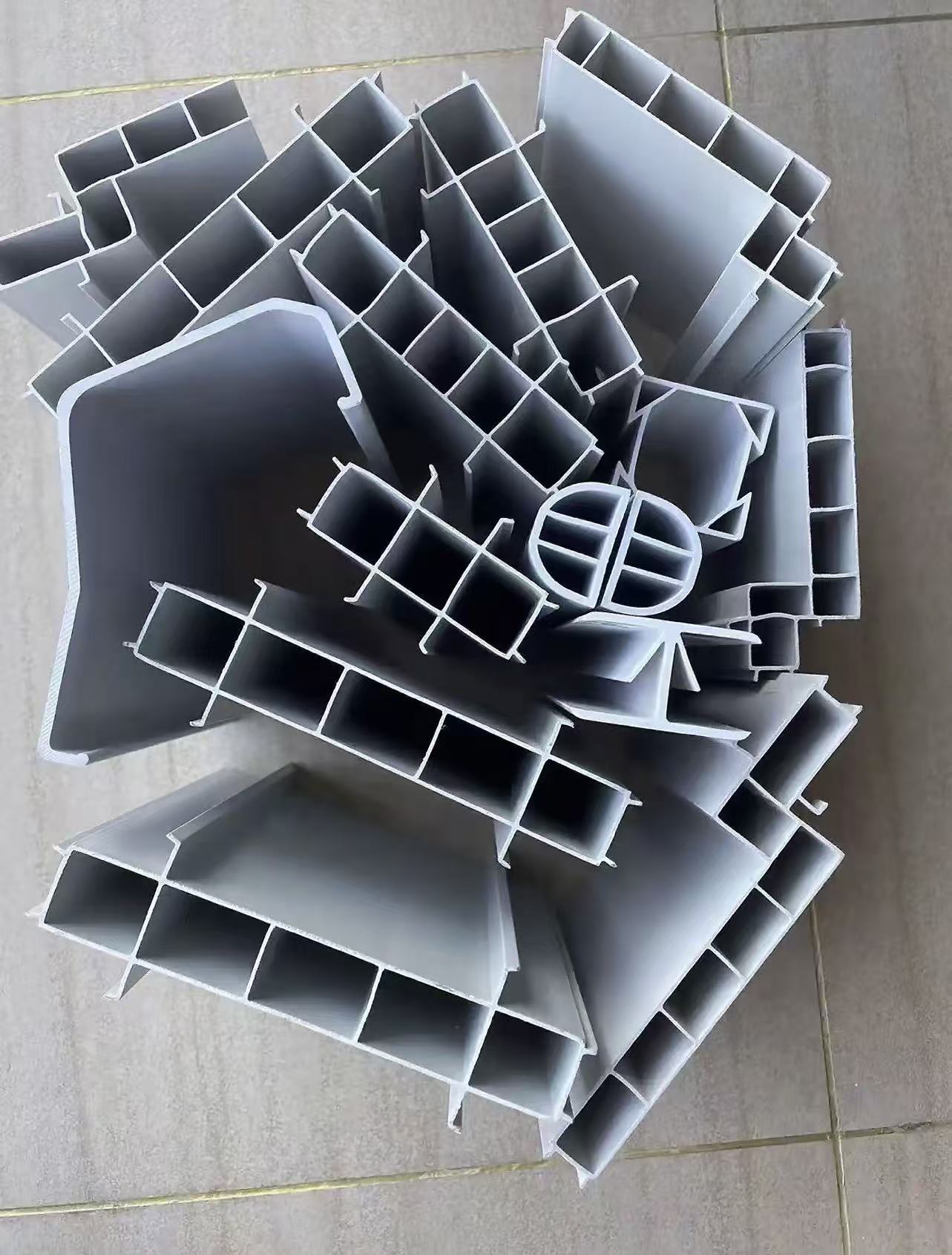
Profiles and Sheets: Window frames, siding, fencing, and roofing sheets rely on their UV stability (when properly formulated) and impact strength.
-
Blister Packaging and Consumer Goods: Clear rigid PVC sheets are extensively used for clamshell packaging, credit card stock, and display items due to their clarity and formability.
-
Why it wins here: A flexible PVC garden hose cannot replace a rigid PVC pressure pipe; it would balloon and burst. The structural demand dictates the material.
When to Choose Flexible PVC Compounds:
The elastomeric nature of flexible PVC makes it the go-to material where products must bend, seal, or provide tactile comfort. Its excellent electrical insulating properties and resistance to chemicals are key drivers.
-
Wire and Cable Insulation: This is arguably the largest market for flexible PVC. From household appliance cords to automotive wiring harnesses, the combination of flexibility, flame retardancy, and dielectric strength is critical.
-
Medical Applications: Blood bags, IV tubing, oxygen masks, and catheters require kink resistance, optical clarity, and the ability to withstand sterilization (EtO, gamma). These applications strictly require non-phthalate, high-purity formulations.
-
Flooring, Films, and Sheetings: Vinyl flooring, wallpaper, automotive interior skins (dashboards, door panels), and truck tarpaulins capitalize on flexible PVC’s durability, printability, and resistance to abrasion.
-
Footwear and Soft Goods: From flip-flops to industrial boots, a range of flexible compounds provides weatherability, chemical resistance, and the required cushioning.
-
Why it wins here: A rigid PVC part in a dynamic bending application like a robot’s cable chain would fatigue and snap. The functional demand dictates flexibility.
The Critical Role of Processing Methods
Your factory’s manufacturing technology is a non-negotiable filter in your selection process. A material must be processable on your existing equipment, and its formulation directly impacts production efficiency and final part quality.
Extrusion:
-
Rigid PVC: Twin-screw extrusion is standard for pipe and profile. The compound must be formulated for easy fusion and thermal stability, with a tight balance of lubricants to control melt viscosity and prevent degradation. High back-pressure and a robust cooling system are required.
-
Flexible PVC: Single-screw extrusion is more common for smaller hoses and profiles. The plasticizer significantly reduces melt viscosity, allowing for higher throughput at lower motor loads. However, screw design must be optimized to prevent surging and ensure a homogeneous melt. Post-extrusion, the product’s memory effect (shrinkage) is more pronounced and must be managed.
Injection Molding:
-
Rigid PVC: Requires high injection pressures and speeds due to its higher melt viscosity. Mold corrosion is a concern due to the release of trace hydrochloric acid, necessitating corrosion-resistant tool steel or coatings. Venting is critical to avoid burn marks.
-
Flexible PVC: Flows much more easily into thin walls and complex geometries. This often allows for lower melt temperatures and shorter cycle times compared to rigid PVC. However, gate design must account for the material’s lower modulus to prevent splay and jetting.
Calendering and Dip Molding: These processes are almost exclusively the domain of flexible PVC, demonstrating how the processing method itself directly dictates the material choice. You cannot calender a rigid PVC sheet without destroying the machinery or creating a product with zero flexibility.
Navigating the Regulatory and Environmental Landscape
This is often the most complex dimension for global buyers and manufacturers. Your market’s regulations can instantly disqualify a technically perfect material.
-
Phthalate Restrictions: This is the single biggest concern for flexible PVC. The EU’s REACH regulation and RoHS directive strictly limit the use of certain phthalates (DEHP, BBP, DBP, DIBP). The US Consumer Product Safety Commission (CPSC) has similar restrictions on children’s toys and childcare articles. If your product targets the EU or children’s markets, a rigid PVC solution entirely sidesteps this issue. If flexibility is mandatory, you must explicitly specify a phthalate-free flexible compound using DOTP, TOTM, or a bio-based plasticizer.
-
Food Contact and Medical Grade: For food packaging film or medical devices, both rigid and flexible options exist, but they must be formulated with approved raw materials. Medical-grade flexible PVC must pass stringent biocompatibility tests like USP Class VI and ISO 10993. Rigid PVC for pharmaceutical blister packs must control vinyl chloride monomer (VCM) levels to the parts-per-billion range.
-
Heavy Metal Stabilizers: The global shift is decisively away from lead-based stabilizers. Calcium-zinc (Ca/Zn) stabilizers are now the standard for both rigid and flexible compounds, ensuring compliance with the RoHS directive and limiting hazardous substance liability.
-
Flame Retardancy and Smoke: PVC is inherently flame-retardant due to its high chlorine content (~57%), but it produces dense, corrosive smoke. In mass transit or construction applications, you may need compounds with specialized flame-retardant synergists (like ATH or molybdates) to meet standards like UL 94 V-0 and limit smoke density, a consideration relevant to both forms.
Cost Factors: Looking Beyond the Price Per Kilogram
Procurement decisions often focus on the per-kilogram price, which is a critical mistake. A holistic total cost of ownership (TCO) analysis reveals a different picture.
-
Raw Material Cost: Flexible PVC is typically more expensive per kilogram because high-quality plasticizers and their associated compounding costs add to the bill. However, an average flexible compound has a lower specific gravity (around 1.2) compared to rigid PVC (around 1.4). This means you get 15-20% more volume per kilogram with a flexible material, potentially offsetting the cost difference in volume-priced applications like sealing strips.
-
Processing Cost: Flexible PVC’s lower melt viscosity often translates to lower processing temperatures, reduced energy consumption, and faster cycle times in injection molding. Rigid PVC’s higher processing energy requirements and slower cooling rates for thick sections can increase the conversion cost.
-
Performance Cost: This is the cost of failure. Specifying a standard flexible PVC where a high-temperature-resistant, non-phthalate compound is required will lead to early-life failure, returns, and regulatory fines. The true cost is the properly specified material’s ability to eliminate this risk. A slightly more expensive compound that yields zero defects and zero returns is always the more profitable choice.
A Practical 7-Step Decision Framework
Use this systematic process to converge on the correct material choice for your project.
Step 1: Define the Functional Requirement
Is the part’s primary role structural (carry a load, hold a shape) or dynamic (bend, seal, cushion)? This single question points you to rigid or flexible.
Step 2: Quantify the Flexibility or Rigidity Needed
Get specific. If flexible, do you need a soft 50 Shore A for a catheter or a stiff 95 Shore A for a gasket? If rigid, is a 75 Shore D for a pipe adequate, or do you need an 85 Shore D for a high-modulus fitting? Always test with actual compound samples, not just a spec sheet.
Step 3: Map the Chemical and Thermal Environment
What chemicals will the part contact? What are the continuous and peak service temperatures? An automotive under-hood application demands a flexible PVC with a high-temperature plasticizer like TOTM, not a standard phthalate that will volatilize and cause brittleness.
Step 4: Identify Mandatory Regulatory Certifications
List every regulation: REACH, RoHS, USP Class VI, UL 94, NSF/ANSI 61 (for drinking water pipe). This list will immediately eliminate entire families of compounds.
Step 5: Align with Your Manufacturing Process
Confirm your chosen compound is formulated for your specific process (extrusion grade, injection molding grade, etc.). The rheology must match your tooling and equipment.
Step 6: Design for Weathering and Aging
Will the product be outdoors? Both rigid and flexible PVC need UV stabilization. For flexible compounds, the plasticizer type also dictates long-term fogging resistance and migration to the surface.
Step 7: Source Representative Samples and Validate
No article can replace a physical trial. Partner with a competent compound manufacturer. Share your full requirements, obtain laboratory-scale samples, and run a production trial. Verify process stability, part aesthetics, and final performance.
Common Misconceptions That Lead to Poor Choices
Let’s dispel some pervasive myths that can derail a project.
-
Myth: “Flexible PVC is always low-quality and leaches harmful chemicals.”
Fact: While low-grade compounds exist, technical flexible PVCs are high-performance materials. Medical-grade, non-DEHP formulations are life-saving technologies with rigorously controlled extractables profiles. -
Myth: “Rigid PVC is brittle and will crack if hit.”
Fact: This describes unmodified PVC. Modern rigid compounds are impact-modified to withstand significant abuse. PVC siding withstands hailstorms, and PVC pipes survive ground settlement because they are correctly formulated. -
Myth: “All flexible PVC is the same; the cheapest one will do.”
Fact: A general-purpose shoe sole compound is fundamentally different from an insulation compound for a 105°C-rated electrical wire. The heat stability, electrical properties, and fire safety are worlds apart.
Partner with a Specialist: The Value of a Technical Compound Manufacturer
The journey from a concept to a successfully manufactured PVC product is paved with these technical decisions. You don’t have to navigate it alone. As a dedicated PVC compound manufacturer, we don’t just sell granules; we deliver engineered material solutions.
Our team formulates both rigid and flexible compounds daily, solving exactly the challenges outlined in this guide. Whether you need a high-flow rigid PVC for a thin-wall connector, a -40°C-rated flexible compound for an Arctic cable jacket, or a fully FDA-compliant medical tubing material, we create custom batches to match your process and product specifications perfectly.
Make the right choice with confidence.
-
Describe your project challenge to our engineers.
-
Request a no-obligation technical consultation.
-
Get custom-formulated samples for your in-house trial.