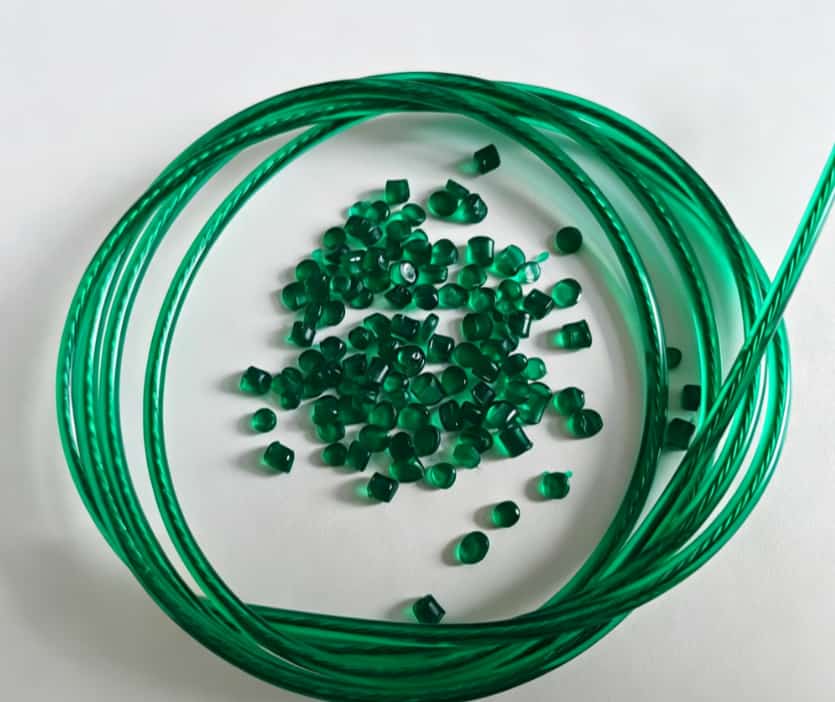
This comprehensive guide examines PVC compound granules specifically engineered for underground mine electric cable systems. Targeting procurement managers and electrical engineers in the mining sector, this article covers technical specifications, compliance requirements, performance characteristics, and sourcing considerations for mining-grade PVC materials used in cable hook applications and insulation systems operating in harsh underground environments. Underground mining operations demand electrical infrastructure materials that withstand extreme conditions, including high humidity, temperature fluctuations, mechanical stress, and potential fire hazards. Mining-grade PVC granules represent a critical material specification that directly impacts operational safety, regulatory compliance, and long-term infrastructure reliability. This analysis provides actionable insights for sourcing decisions, quality verification protocols, and application-specific performance requirements essential for mine electrical system procurement.
Technical Composition and Material Properties of Mining-Grade PVC Granules
Core Polymer Formulation for Underground Applications
Mining-grade PVC granules incorporate specialized additive packages that distinguish them from standard electrical-grade formulations. The base polymer typically consists of suspension-grade PVC resin (K-value 65-70) combined with flame-retardant systems designed for underground safety requirements.
Flame Retardancy Architecture: Mining applications mandate self-extinguishing properties achieved through antimony trioxide-halogenated compound synergies or phosphate ester systems for halogen-free alternatives. Effective formulations achieve oxygen index (OI) values exceeding 32%, ensuring flame propagation resistance in confined underground spaces. The retardant loading typically ranges from 8-15 phr (parts per hundred resin), balanced against mechanical property retention.
Plasticizer Selection for Low-Temperature Flexibility: Underground mines experience temperature ranges from -20°C in ventilation shafts to +70°C near equipment. Dioctyl phthalate (DOP) or diisononyl phthalate (DINP) plasticizers at 35-50 phr loadings maintain cable flexibility during installation and operation. Low-temperature brittleness point specifications require values below -25°C, critical for preventing insulation cracking during cold-weather handling or in refrigerated mine sections.
Stabilizer Systems: Calcium-zinc or organotin stabilizers (2-4 phr) provide thermal resistance during extrusion processing (170-190°C) and long-term heat aging resistance. Mining cables operating at continuous conductor temperatures of 70-90°C require stabilizer packages that prevent dehydrochlorination over 20+ year service lives.
Mechanical and Electrical Performance Specifications
Mining-grade PVC granules must meet stringent mechanical thresholds that exceed commercial cable requirements. Tensile strength specifications typically require minimum values of 12.5 MPa (ASTM D638), with premium formulations achieving 16-18 MPa. This enhanced strength resists abrasion from rock surfaces and mechanical stress from cable suspension systems.
Elongation at break values of 200-300% ensure ductility under dynamic loading conditions, particularly important for trailing cables serving mobile equipment. Shore A hardness ranges from 85-95 provide optimal balance between flexibility and cut-through resistance.
Electrical performance parameters include:
- Volume resistivity: ≥10¹² Ω·cm (ASTM D257), ensuring adequate insulation resistance in high-humidity environments
- Dielectric strength: ≥18 kV/mm for primary insulation applications (IEC 60243-1)
- Dielectric constant: 3.5-4.0 at 1 MHz, minimizing signal attenuation in control cables
Specific gravity specifications (1.35-1.45 g/cm³) affect cable weight considerations for underground installation logistics and support structure design.
Regulatory Compliance and Mining Industry Standards
International Safety Certifications for Mine Cables
Mining cable materials face the most stringent regulatory scrutiny in the cable industry. IEC 60502 establishes fundamental construction and testing requirements for power cables rated up to 30 kV, including insulation thickness calculations and voltage testing protocols. Mining operations typically reference IEC 60502-1 for fixed installation cables and IEC 60245 for flexible mining cables.
MSHA (Mine Safety and Health Administration) approval represents mandatory compliance for U.S. mining operations. MSHA acceptance requires demonstration of flame resistance per 30 CFR Part 18, which specifies vertical flame tests and self-extinguishing criteria. Materials must not propagate flame beyond 6 inches from the ignition point and must self-extinguish within specified timeframes.
Flame propagation standards include:
- UL 1581 VW-1: Vertical wire flame test requiring self-extinguishment within 60 seconds
- IEC 60332-3-24: Category C bundled cable flame test, critical for cable tray installations where multiple cables create fire load concentration
- IEEE 1202 (FT4): 70,000 BTU/hr flame exposure test for severe fire scenarios
International mining jurisdictions require additional certifications: Australian AS/NZS 1660.5.15 for underground coal mines, South African SANS 1339 for gold and platinum operations, and Canadian CSA standards for hard rock mining applications.
Environmental and Toxicity Requirements
Modern mining operations increasingly mandate RoHS (Restriction of Hazardous Substances) and REACH (Registration, Evaluation, Authorization of Chemicals) compliance, particularly for operations with European parent companies or export markets. Key restrictions include:
- Lead stabilizer prohibition (legacy concern in older formulations)
- Cadmium-based heat stabilizers banned
- Phthalate plasticizer restrictions (DEHP, DBP, BBP, DIBP) are driving the adoption of DINP, DIDP, or non-phthalate alternatives
Halogen-free (LSZH) alternatives gain traction in underground applications where smoke toxicity presents life-safety concerns. These formulations substitute chlorinated base polymers with polyethylene or ethylene-vinyl acetate (EVA) compounds, achieving similar flame resistance through metal hydroxide fillers (aluminum trihydrate, magnesium hydroxide) at 60-65% loading levels. Trade-offs include reduced flexibility and higher material costs (15-30% premium).
Heavy metal restrictions address environmental concerns in mine water discharge and end-of-life material disposal. Modern formulations eliminate lead, cadmium, mercury, and hexavalent chromium, complying with groundwater protection regulations in mining jurisdictions.
Application Engineering in Mine Cable Systems
Cable Hook and Support Structure Applications
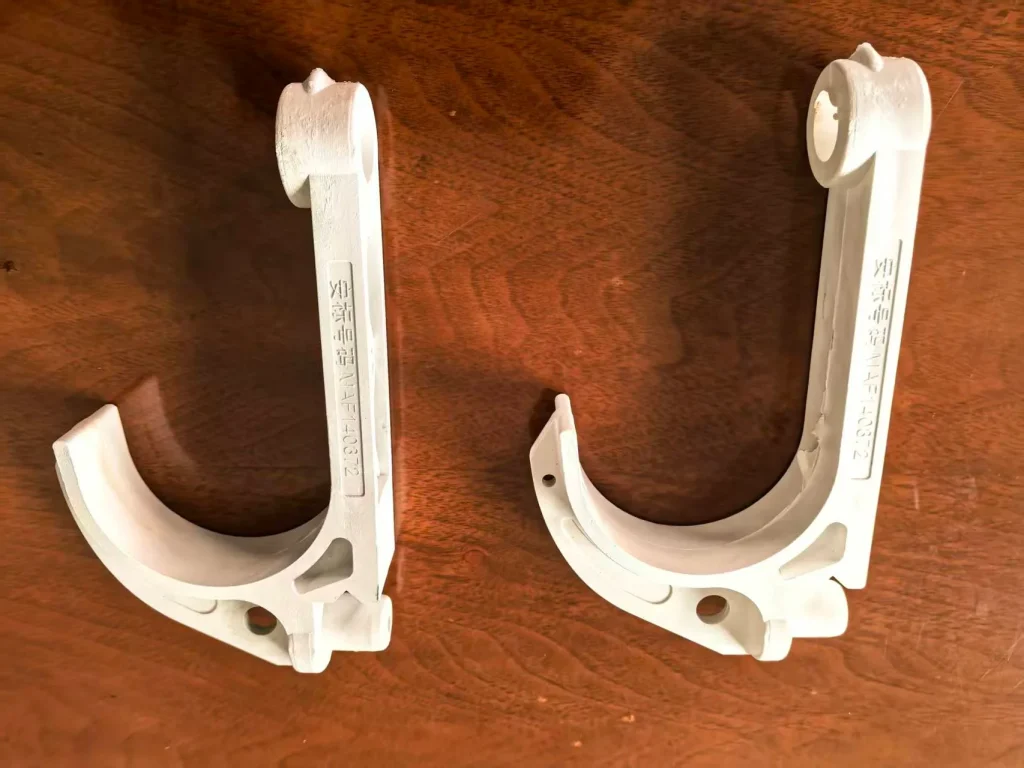
Cable hooks manufactured from mining-grade PVC granules serve as critical infrastructure components, supporting power and communication cables along tunnel walls and roof structures. These applications demand specific performance characteristics beyond primary insulation requirements.
UV resistance becomes critical in portal areas where cables transition from underground to surface installations. Carbon black loading (2-3 phr) or organic UV absorbers provide protection against photodegradation, maintaining mechanical properties despite intermittent sunlight exposure at mine entrances and ventilation shafts.
Abrasion resistance specifications account for contact with rough rock surfaces, dust-laden atmospheres, and occasional impact from mining equipment. Mining-grade formulations incorporate processing aids and impact modifiers (chlorinated polyethylene at 5-10 phr) that enhance surface hardness while maintaining core flexibility.
Installation temperature range specifications (-20°C to +70°C) accommodate seasonal variations and geographic diversity of mining operations. Cold-weather installations in northern climates require formulations that remain pliable during handling, preventing installation-induced micro-cracking that compromises long-term performance.
Primary Cable Insulation and Jacketing Performance
Mining cable insulation and jacketing applications represent the highest-volume consumption of PVC granules in underground electrical systems. Moisture barrier properties constitute critical performance requirements, as underground humidity levels routinely exceed 90% with direct water exposure common in wet mining operations.
Water absorption specifications (ASTM D570) for mining-grade PVC typically require values below 0.4% after 24-hour immersion, achieved through optimized plasticizer selection and filler treatment. Prolonged moisture exposure testing (1000-hour immersion) verifies long-term insulation resistance retention, with acceptable formulations maintaining >10¹¹ Ω·cm resistivity.
Chemical resistance profiles must address exposure to:
- Diesel fuel and lubricants from mobile equipment
- Hydraulic fluids (mineral oil and synthetic ester-based)
- Cleaning solvents and degreasers
- Groundwater chemistry variations (pH 4-9 range)
Mining-grade PVC demonstrates superior resistance to aliphatic hydrocarbons compared to thermoplastic elastomers, though aromatic solvents may cause swelling at elevated temperatures.
Long-term aging characteristics in 90% humidity conditions determine cable service life. Accelerated aging protocols (IEC 60811-401) expose materials to 100°C for 168 hours, with acceptable performance defined as retention of ≥80% tensile strength and ≥65% elongation values. Premium mining formulations achieve these thresholds after extended conditioning, translating to 20-25 year field service life projections.
[Table: Performance Comparison Matrix]
| Property Parameter | Mining-Grade PVC | Standard Electrical PVC | LSZH Alternative | Test Standard |
|---|---|---|---|---|
| Flame Rating | VW-1 / FT4 | VW-1 | FT4 | UL 1581 / IEEE 1202 |
| Tensile Strength | 14-18 MPa | 10-12 MPa | 8-10 MPa | ASTM D638 |
| Elongation at Break | 250-300% | 200-250% | 150-200% | ASTM D638 |
| Temperature Range | -20°C to +105°C | -10°C to +90°C | -5°C to +90°C | IEC 60216 |
| Volume Resistivity | ≥10¹² Ω·cm | ≥10¹¹ Ω·cm | ≥10¹² Ω·cm | ASTM D257 |
| Water Absorption | <0.4% | <0.6% | <0.3% | ASTM D570 |
| Relative Cost Index | 1.0x | 0.7x | 1.4x | – |
Procurement Considerations and Supplier Evaluation
Quality Assurance and Batch Consistency Requirements
Mining cable manufacturers require rigorous quality verification protocols due to safety-critical applications and regulatory liability. Certificate of Analysis (COA) documentation must accompany each material shipment, specifying:
- Batch identification and production date
- Melt flow index (MFI) verification (ASTM D1238): typical range 0.5-3.0 g/10min at 190°C/2.16kg
- Density/specific gravity confirmation
- Flame Retardancy Test Results
- Heavy metal screening results
- Plasticizer type and content verification
Lot traceability systems enable root cause analysis in the event of cable failures or performance deviations. Leading suppliers implement ISO 9001-certified quality management systems with full batch genealogy tracking from raw material receipt through finished granule packaging.
Third-party testing protocols provide independent verification of critical specifications. Mining cable manufacturers increasingly require:
- Annual MSHA approval documentation updates
- Quarterly flame testing by accredited laboratories (UL, Intertek, TÜV)
- Periodic RoHS/REACH compliance audits
- Mechanical property verification by independent testing facilities
Supplier quality agreements should specify sampling frequencies, test methodologies, and acceptance criteria aligned with cable manufacturing process capabilities.
Supply Chain Factors for Mining Operations
Lead times for bulk orders (10-50 ton quantities) typically range from 4-8 weeks depending on formulation complexity and supplier production schedules. Custom formulations requiring specific plasticizer packages or flame retardant systems may extend lead times to 10-12 weeks for initial orders. Establishing framework agreements with quarterly volume commitments can reduce lead times to 3-4 weeks for repeat orders.
Packaging considerations for underground transport include:
- 25 kg bags (standard), enabling manual handling in confined spaces
- 500-1000 kg bulk bags for surface storage with underground distribution
- Moisture barrier packaging (polyethylene liners) prevents humidity absorption during storage
- Pallet configurations optimized for mine cage dimensions and underground vehicle capacity
Technical support for formulation customization represents a critical supplier differentiator. Mining cable applications may require:
- Color matching for phase identification systems
- Hardness adjustments for specific cable designs
- Flame retardancy optimization for unique regulatory requirements
- Processing parameter optimization for customer extrusion equipment
Leading suppliers provide application engineering support, including compound rheology analysis, extrusion die design consultation, and on-site troubleshooting during production trials.
FAQ Module
Q1: What is the minimum flame retardancy rating required for PVC granules used in underground mine cable applications?
Underground mine cables must achieve UL VW-1 (Vertical Wire Flame Test) as a baseline requirement, demonstrating self-extinguishment within 60 seconds with no flaming drips. For bundled cable installations in cable trays, IEC 60332-3-24 Category C compliance becomes mandatory, requiring flame propagation limitation to 2.5 meters vertical spread. U.S. operations under MSHA jurisdiction must meet 30 CFR Part 18 flame resistance criteria. Premium mining installations increasingly specify IEEE 1202 (FT4) compliance, representing the highest flame resistance standard with 70,000 BTU/hr flame exposure testing. Oxygen index values should exceed 32% for underground applications, compared to 26-28% for standard electrical cables.
Q2: How do mining-grade PVC granules differ from standard electrical-grade PVC in terms of additive packages?
Mining-grade formulations incorporate enhanced flame retardant loading (10-15 phr vs. 5-8 phr in standard grades), utilizing antimony trioxide-chlorinated paraffin systems or phosphate esters achieving superior self-extinguishing performance. Plasticizer selection emphasizes low-temperature flexibility retention, with DINP or specialized cold-resistant phthalates replacing standard DOP to maintain pliability at -20°C. Stabilizer packages employ higher concentration calcium-zinc or organotin systems (3-4 phr vs. 1.5-2 phr) providing extended thermal aging resistance for 20+ year service life in high-humidity underground environments. Impact modifiers (CPE at 8-12 phr) enhance abrasion resistance against rock surfaces. Mining grades also incorporate processing aids optimizing extrusion consistency across wide temperature ranges encountered in global mining operations.
Q3: What documentation is required to verify compliance with MSHA regulations for mine cable materials?
MSHA approval requires submission of comprehensive technical documentation including: (1) Flame resistance test reports per 30 CFR Part 18.64, demonstrating self-extinguishing characteristics and flame propagation limits; (2) Material composition disclosure identifying all components exceeding 1% by weight, including specific flame retardants and plasticizers; (3) Manufacturing quality control procedures documenting batch testing protocols and acceptance criteria; (4) Certificate of Compliance signed by authorized company representative affirming regulatory conformance. MSHA maintains an approved equipment list requiring annual renewal with updated test data. Cable manufacturers must retain documentation for 10 years and provide Material Safety Data Sheets (MSDS/SDS) addressing handling and emergency response procedures. International operations require equivalent documentation for jurisdiction-specific authorities (Australian SIMTARS approval, South African SABS certification).
Mining-grade PVC compound granules represent a critical material specification for underground electrical infrastructure, balancing stringent safety requirements with operational durability. Successful procurement depends on verifying compliance certifications, including MSHA approval, IEC flame propagation standards, and environmental regulations (RoHS/REACH). Technical specifications must address application-specific performance parameters: tensile strength exceeding 12.5 MPa, volume resistivity above 10¹² Ω·cm, and flame retardancy achieving VW-1 minimum ratings.
Supplier evaluation should prioritize quality assurance capabilities, including comprehensive COA documentation, lot traceability systems, and third-party testing protocols. Supply chain considerations encompass lead time management for bulk orders (10-50 tons), packaging optimized for underground transport logistics, and technical support for formulation customization addressing unique operational requirements.
The material performance trade-offs between traditional PVC formulations and halogen-free alternatives require careful analysis of life-cycle costs, installation requirements, and regulatory mandates. Establishing relationships with suppliers capable of consistent quality delivery, technical collaboration, and responsive support for harsh mining environments ultimately determines electrical infrastructure reliability and operational safety in underground mining operations.