Drainage pipes rarely attract attention once buried. They sit beneath roads, farmland, foundations, and industrial facilities, expected to function quietly for decades. Yet when they fail—when cracking, deformation, or chemical degradation occurs—the consequences are expensive and disruptive. The reliability of a drainage system depends not only on pipe geometry or installation method, but fundamentally on material formulation.
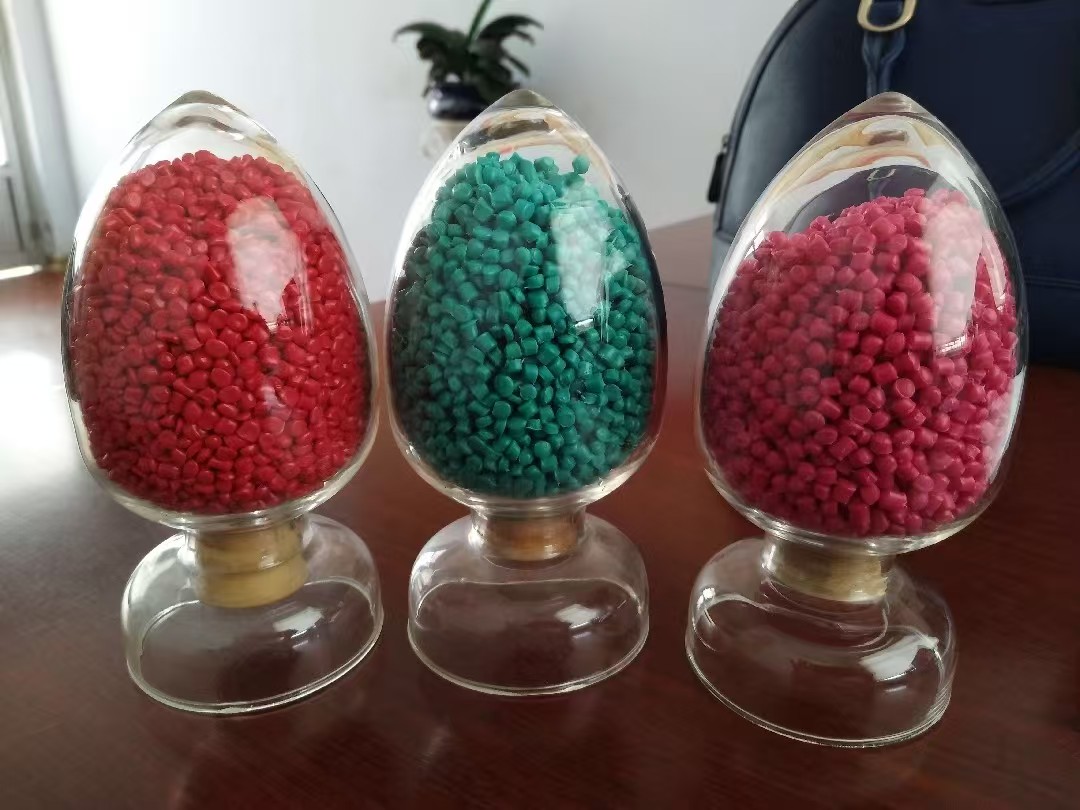
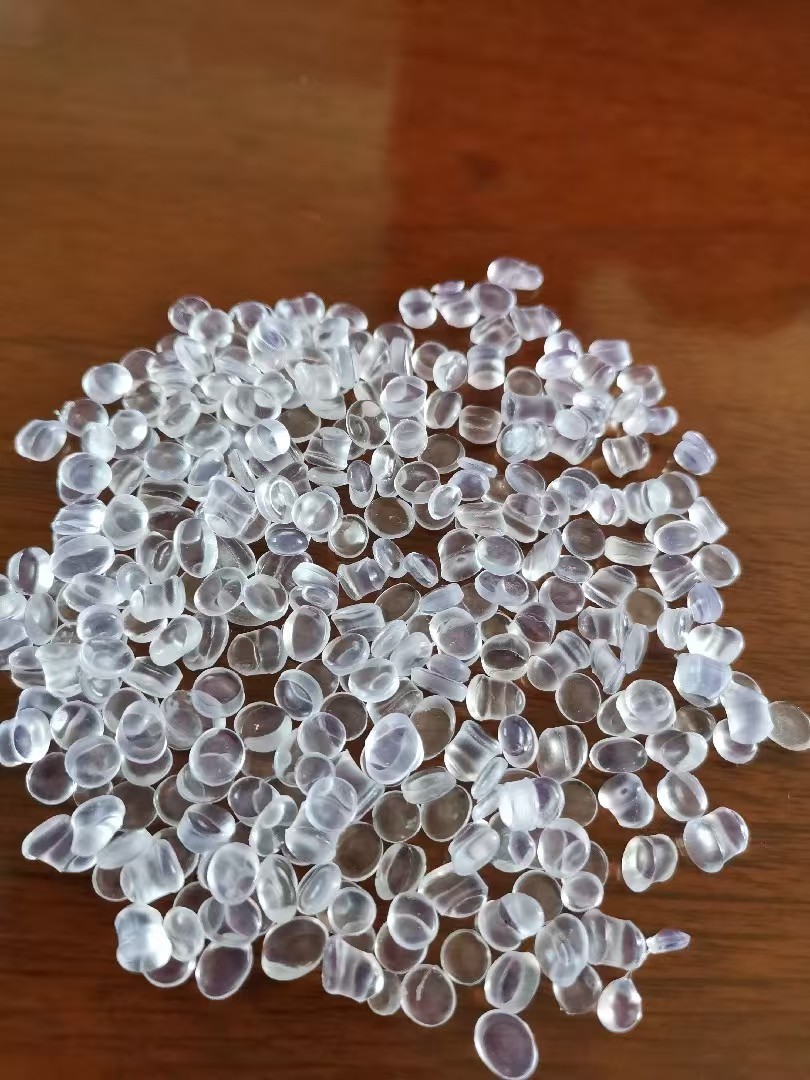
PVC granules used in drainage pipe extrusion are not generic raw materials. Their formulation determines surface precision, structural stability, resistance to impact, chemical durability, and long-term load-bearing performance. In the case of advanced capillary drainage pipes, the challenge intensifies. These pipes must reproduce intricate micro-surface structures while retaining the mechanical strength required for buried applications.
Choosing the right PVC granules is therefore not a simple purchasing decision. It is an engineering strategy that affects product quality, production efficiency, and long-term liability.
Why Material Selection Defines Drainage Pipe Reliability
Drainage pipes operate in complex underground environments. Soil pressure exerts a continuous radial load. Installation introduces impact stress. Temperature fluctuations can induce contraction and expansion. Groundwater may contain acids, alkalis, salts, or organic compounds. Over time, minor formulation weaknesses become structural failures.
PVC-U (unplasticized polyvinyl chloride) remains one of the most reliable materials for rigid drainage systems because it balances strength, stiffness, and chemical resistance. However, not all PVC-U compounds perform equally. The difference lies in formulation balance: resin grade, filler system, stabilizers, impact modifiers, lubricants, and processing aids.
A poorly designed compound may extrude easily but lack long-term ring stiffness. Another may achieve stiffness through high filler loading but become brittle under impact. Some compounds perform well mechanically yet show unstable melt flow behavior, resulting in inconsistent capillary surface reproduction.
The objective is not to maximize a single property. The objective is to achieve balanced performance under real-world conditions.
PVC-U as the Structural Foundation of High-Performance Drainage Pipes
Rigid PVC-U forms the backbone of drainage pipe manufacturing. Its molecular structure provides inherent stiffness and dimensional stability. Unlike plasticized PVC, it does not rely on softening agents, making it suitable for load-bearing applications.
In buried systems, ring stiffness is critical. When soil pressure acts on a pipe, deformation must remain within acceptable limits. PVC-U offers excellent modulus characteristics, allowing pipes to resist flattening while maintaining internal flow capacity.
Compared with alternative thermoplastics such as HDPE or PP, PVC-U generally provides higher stiffness at comparable wall thicknesses. This can translate into material efficiency or improved structural security, depending on design targets.
Yet the base resin alone does not guarantee performance. Additives determine how the material behaves during extrusion and how it survives decades underground.
Melt Flow Behavior and Surface Precision in Capillary Drainage Pipes
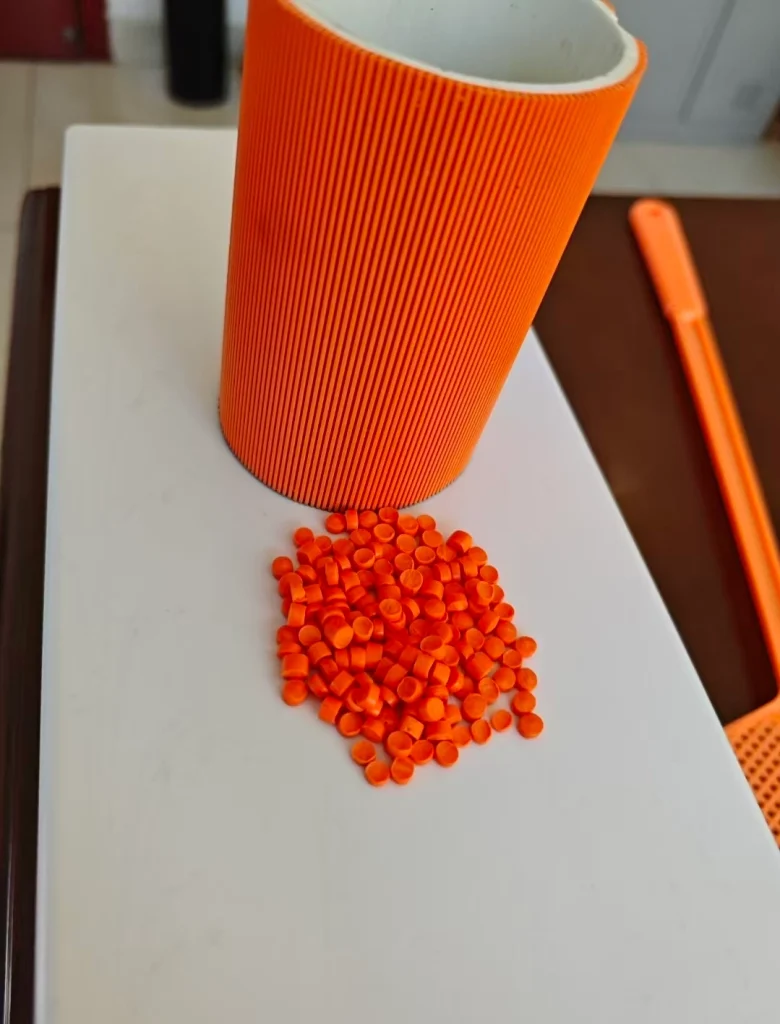
Capillary drainage pipes introduce an additional complexity. Their surface contains fine micro-structured channels designed to enhance passive water collection. Achieving consistent micro-pattern replication during extrusion requires precise melt flow control.
If melt viscosity fluctuates, surface detail becomes distorted. If lubrication is excessive, micro-features may soften or lose definition. If lubrication is insufficient, flow instability and surface roughness can appear.
The melt must be stable rather than merely fluid. Stability means consistent shear response, predictable pressure distribution inside the die, and uniform cooling behavior. Processing aids help maintain this stability, improving fusion between resin particles while preserving dimensional control.
Filler particle size and dispersion quality also influence surface fidelity. Coarse or poorly dispersed calcium carbonate can interrupt micro-channel geometry. Fine, evenly distributed filler supports stiffness without disrupting surface structure.
For capillary drainage pipe manufacturing, melt behavior is often the most sensitive and decisive parameter.
Impact Strength and Ring Stiffness: Core Mechanical Requirements
Buried drainage pipes face two dominant mechanical risks: installation impact and long-term soil load.
During transport and installation, pipes may experience dropping, handling stress, or localized impact. Brittle materials can crack before burial. Impact modifiers such as chlorinated polyethylene (CPE) or acrylic-based systems improve toughness by absorbing energy at the microscopic level. These modifiers must be carefully proportioned. Excess can reduce stiffness; insufficient levels compromise durability.
Ring stiffness defines resistance to radial deformation once installed. It is influenced by material modulus, wall thickness, and filler content. Increasing filler loading can raise stiffness, but only if dispersion is uniform. Overloading filler can reduce impact strength and create stress concentration points.
Balancing these factors is central to compound design.
When evaluating PVC granules for drainage pipes, the following performance aspects should be systematically verified:
-
Stable and consistent melt flow suitable for the intended extrusion profile
-
Adequate impact resistance at both room and low temperatures
-
Verified ring stiffness performance aligned with target SN classification
-
Fine and uniform filler dispersion
-
Compatibility with existing extrusion equipment and die design
Each factor interacts with the others. Selection should be based on integrated performance testing rather than isolated data points.
Chemical and Environmental Resistance for Long-Term Buried Use
Drainage pipes are continuously exposed to soil chemistry. Groundwater may contain dissolved salts, organic compounds, or varying pH levels. Over decades, these environmental factors can degrade inferior formulations.
Stabilizer systems play a critical role in long-term durability. Heat stabilizers prevent degradation during extrusion, while long-term stabilizers protect the polymer matrix during service life. Antioxidants and processing stabilizers ensure that the material does not suffer premature aging.
For pipes exposed temporarily to sunlight before burial, UV resistance is relevant. Proper stabilization prevents surface embrittlement during storage and handling.
Chemical resistance is not merely about immediate compatibility. It concerns maintaining mechanical integrity over time. A pipe that retains stiffness and toughness after years underground reduces replacement risk and maintenance costs.
Processing Stability and Production Efficiency
Material selection affects not only pipe performance but also manufacturing productivity. Unstable compounds may cause die buildup, inconsistent wall thickness, surface waviness, or frequent line stoppages.
Balanced internal and external lubrication systems allow smooth fusion and flow without excessive shear heating. A well-designed compound widens the processing window, meaning extrusion parameters are less sensitive to minor temperature or speed variations.
Production efficiency improves when:
-
Extrusion pressure remains consistent across batches
-
Surface finish is uniform without post-processing
-
Cooling behavior is predictable
-
Scrap rates are minimized
Batch-to-batch consistency is essential. Even slight formulation drift can alter melt behavior and final mechanical performance.
Common Errors in PVC Compound Selection
Mistakes in material choice often arise from incomplete evaluation criteria. The most frequent issues include:
-
Selecting compounds primarily on price without validating long-term mechanical performance
-
Increasing filler loading excessively to reduce cost, leading to brittle failure
-
Ignoring the low-temperature impact on performance
-
Overlooking melt flow consistency when producing capillary or structured surfaces
-
Failing to test the ring stiffness under realistic load simulation
Each error may appear minor during procurement, but it can lead to significant downstream consequences.
Matching PVC Granules to Capillary Drainage Pipe Requirements
For advanced capillary drainage systems, collaboration between the compound supplier and the pipe manufacturer is particularly important. Die geometry, extrusion speed, cooling rate, and material rheology must work together.
Granules should be optimized to:
-
Reproduce micro-channel surface patterns precisely
-
Maintain structural stiffness after pattern formation
-
Resist deformation during installation
-
Retain chemical resistance in buried conditions
Small formulation adjustments—lubricant ratio, stabilizer type, impact modifier percentage—can significantly influence final results. Pilot extrusion trials are often necessary before full-scale production.
This collaborative approach reduces trial-and-error costs and shortens development cycles.
Long-Term Value Beyond Initial Cost
The temptation to treat PVC granules as commodity materials is understandable. Resin pricing fluctuates, and procurement departments aim to reduce raw material costs. However, drainage pipes are long-life infrastructure components. A marginal reduction in compound price cannot justify increased failure risk or production inefficiency.
A well-designed PVC compound contributes to:
-
Stable and predictable extrusion processes
-
Reduced waste and downtime
-
Reliable mechanical performance
-
Extended service life
-
Lower warranty and replacement risk
When evaluated over decades of operation, material quality has a multiplier effect.
Choosing the right PVC granules for high-performance drainage pipes requires technical evaluation rather than simple specification matching. Melt flow stability determines surface precision, particularly in capillary designs. Impact modifiers and filler systems shape mechanical durability. Stabilizers ensure chemical resistance and longevity. Processing behavior influences production efficiency and product consistency.
A drainage pipe may remain invisible after installation, but its reliability depends entirely on the formulation decisions made before extrusion begins. The correct PVC compound transforms pipe manufacturing from a basic extrusion process into a controlled engineering operation.
In buried infrastructure, performance is measured in decades. The right granules make that timescale achievable.