
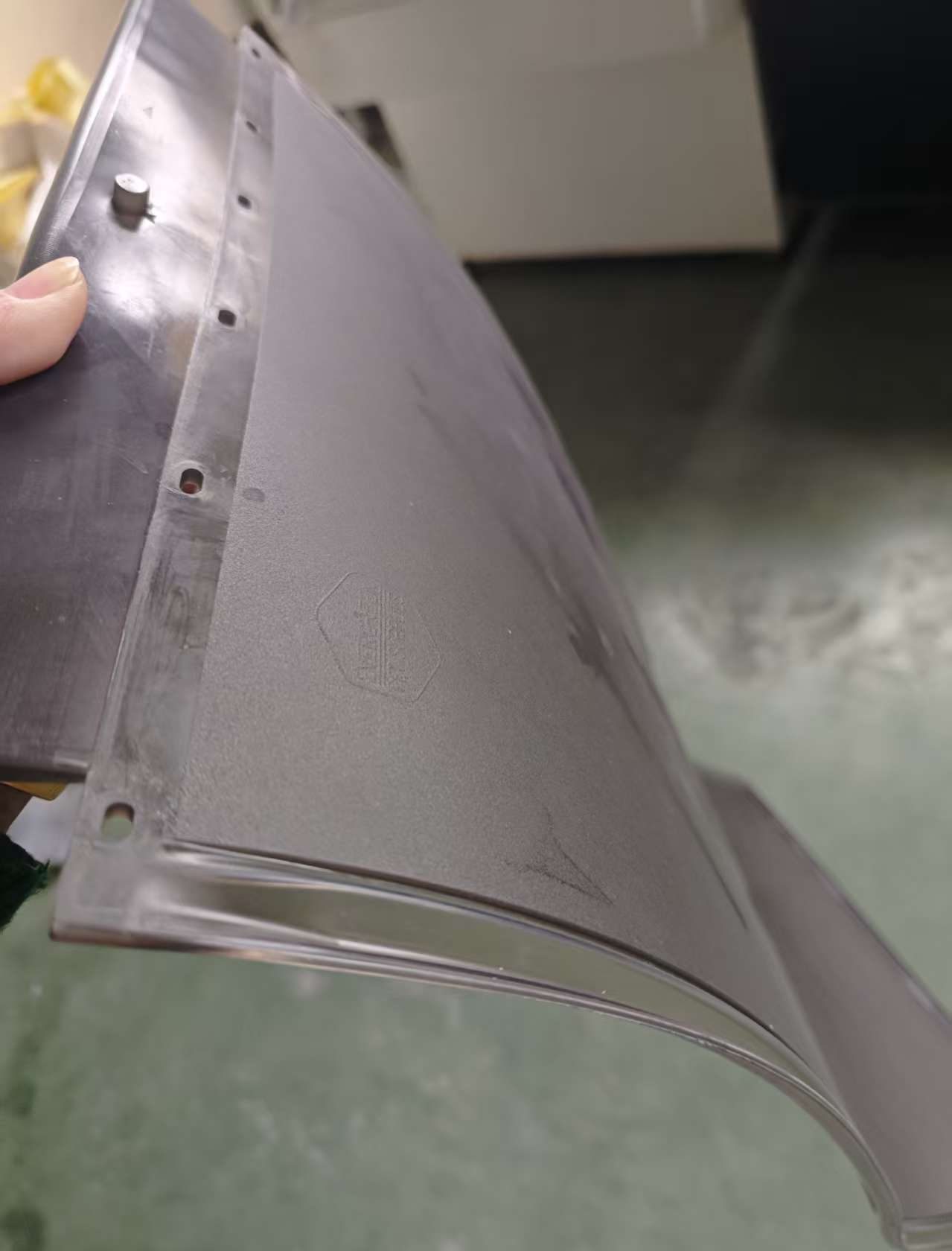
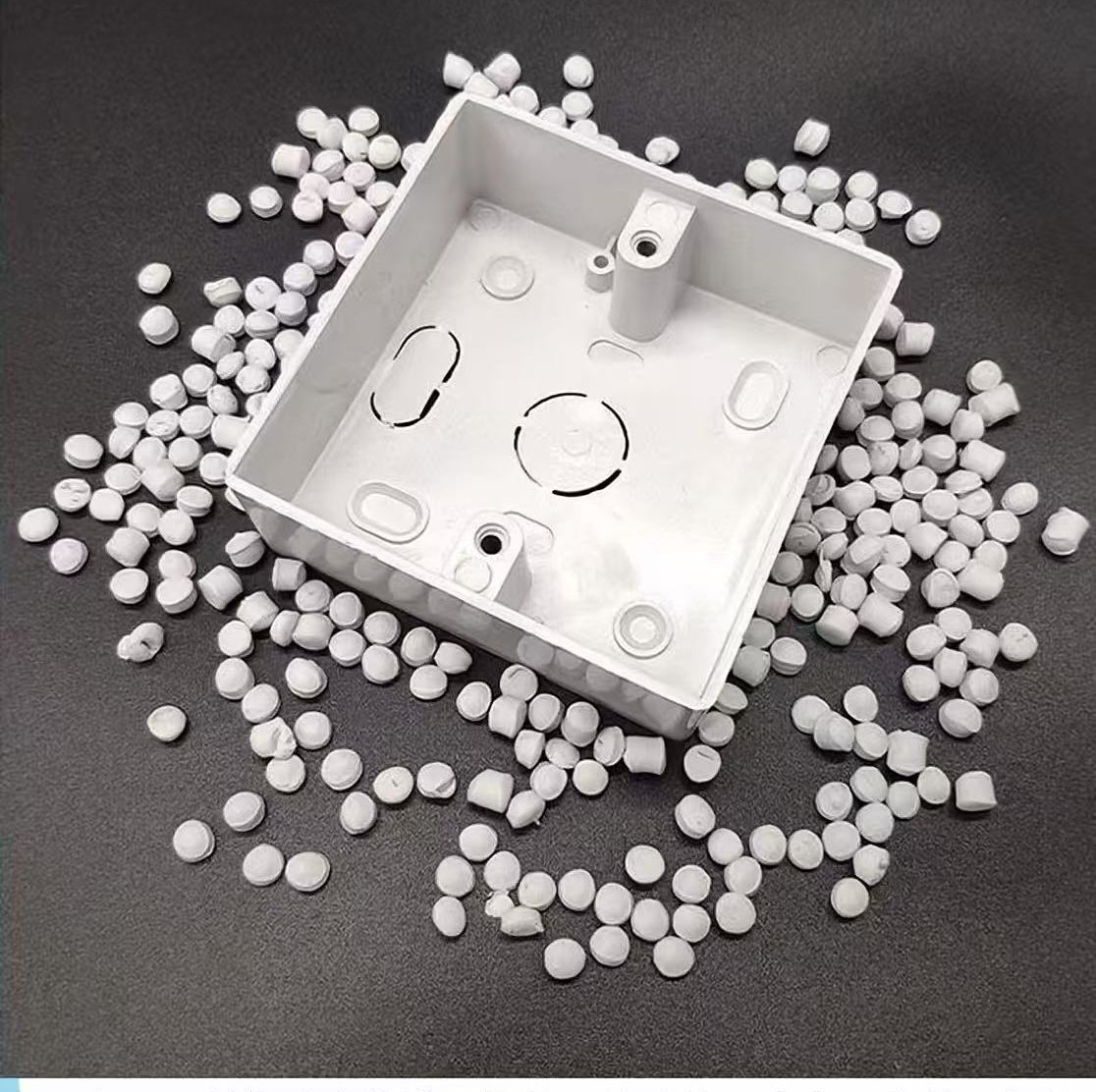
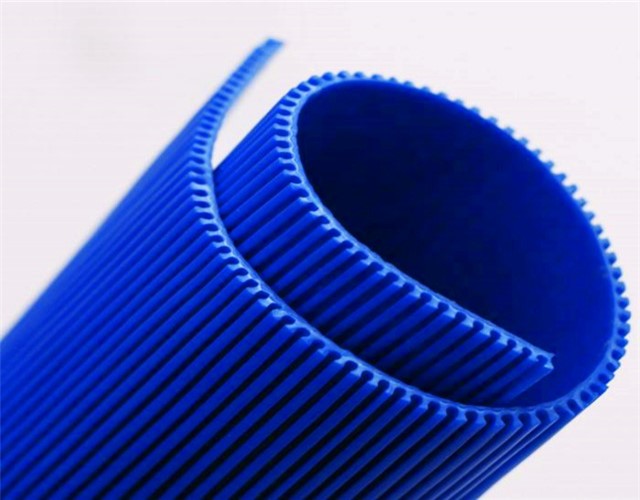
The clips that hold books together may seem simple at first, but their effectiveness is primarily based on the material that is selected. A successful clip should apply consistent pressure to the paper, it should be able to open and close smoothly, it should resist fatigue, and it should protect the paper from damage. Achieving all of this at once is not easy, which is why PVC granules, especially those that are flexible (PVC-P), have become popular for this purpose.
When formulated correctly, PVC pellets have a great deal of elasticity, resilience, surface quality, and processability. This article discusses why PVC pellets are ideal for book-binding clips, the importance of performance characteristics, and how companies can choose or develop the proper compound for long-term success.
Why PVC Granules Are Ideal for Bookbinding Clips
Bookbinding clips occupy a unique functional position. They lack the rigidity of Fasteners or Elastomers. Instead, they must act like a regulated spring that is firm enough to hold stacks of paper in place, but flexible enough to be repeatedly opened without suffering from a crack or losing its shape.
Flexible PVC pellets are particularly effective at meeting these requirements because their properties can be precisely altered through composition. By altering plasticizers, stabilizers, and modifiers, PVC compounds can be altered to produce consistent clamping pressure, pleasant feel, and long lifespan.
From a manufacturing standpoint, PVC is also beneficial. It operates smoothly via extrusion, maintains the stability of dimensions, and is easy to color, allowing clips to be manufactured in a variety of sizes, profiles, and visual effects.
Core Performance Requirements for Bookbinding Clips
For bookbinding clips, material performance is not about a single standout property. It is about balance. The most successful PVC granules are those designed to meet multiple functional demands at once.
Flexibility With Controlled Strength
A clip that is too soft will feel weak and fail to hold papers securely. One that is too hard will be uncomfortable to use and may crack under repeated stress. Flexible PVC allows manufacturers to target a precise hardness range that delivers both grip and usability.
In practical terms, bookbinding clips typically require a firm yet flexible feel, enabling smooth opening and closing without excessive force.
Elastic Recovery and Shape Retention
Elastic recovery is one of the most critical characteristics for clips. After repeated use, the material must return to its original shape and maintain its clamping force. Poor elastic recovery leads to permanent deformation, commonly known as “taking a set,” which causes clips to loosen over time.
High-quality PVC granules, when paired with appropriate plasticizer systems, can provide excellent resistance to creep and long-term deformation.
Durability Under Repeated Use
Bookbinding clips are often opened and closed dozens or even hundreds of times during their life cycle. This repeated flexing places stress on hinge areas and curved sections. PVC compounds formulated with adequate toughness and elongation can withstand this mechanical fatigue without tearing or cracking.
Smooth, Non-Marring Surface
A clip may be mechanically sound, but if it scratches, smudges, or dents paper, it fails its purpose. PVC naturally offers a smooth surface finish, which can be further refined through formulation to ensure it remains gentle on paper, covers, and other delicate materials.
Safe and Compliant Formulation
Because bookbinding clips are consumer-facing products—often used in offices, schools, and homes—material safety is essential. Modern PVC granules for this application are commonly phthalate-free and designed to comply with relevant consumer safety regulations.
Key Performance Features and Their Benefits
The table below summarizes the most important material features for PVC granules used in bookbinding clips and explains how each contributes to real-world performance.
| Feature | Benefit for Bookbinding Clips |
|---|---|
| Optimal Flexibility & Strength | Provides a balance between firm clamping force and easy manual operation without breakage |
| Excellent Elastic Recovery | Maintains consistent grip over time; resists permanent deformation |
| High Durability & Toughness | Withstands repeated opening and closing, extending product lifespan |
| Smooth, Non-Marring Surface | Protects paper and surfaces while delivering a premium look and feel |
| Superior Processability | Enables stable extrusion, precise profiles, and efficient production |
| Safe & Compliant Formulation | Ensures suitability for consumer use and regulatory peace of mind |
The Importance of Plasticizer Selection
The long-term performance of PVC bookbinding clips depends heavily on how flexibility is achieved, not just how soft the material feels initially.
Migration: The Hidden Risk of Low-Cost Plasticizers
Low-quality plasticizers can migrate over time. When this happens, the surface of the clip may first feel sticky, then gradually harden and become brittle. As flexibility is lost, clamping force weakens, and the clip may crack prematurely.
This issue often does not appear during short-term testing, making it a costly problem once products are already in the market.
Polymeric Plasticizers for Long-Term Elasticity
To avoid these risks, many high-performance PVC granules use polymeric plasticizers. These larger molecules are far less prone to migration, allowing the clip to retain flexibility and elastic recovery for years rather than months.
While polymeric plasticizers may increase material cost slightly, they significantly improve durability, customer satisfaction, and brand reputation.
Enhancing Toughness With Impact Modifiers
Certain portions of a book’s binding–particularly the hinge and tight bends–have a higher concentration of stress. Even a malleable material can fail at these locations if its toughness is lacking.
Small increases in the amount of impact modifiers can greatly enhance the resistance of the material to cracking and tearing; this is especially true of low-temperature or high-cycle conditions. These modifiers facilitate a more even distribution of stress across the material, which improves the fatigue resistance of the material without diminishing its flexibility.
Stabilization and Color Consistency
PVC must be properly stabilized to prevent degradation during processing and use. Thermal stabilizers protect the polymer during extrusion, while UV stabilizers help maintain color and mechanical properties over time.
For bookbinding clips, this means:
-
Cleaner processing with less discoloration
-
More consistent color from batch to batch
-
Longer visual and functional lifespan in everyday environments
Processing Considerations: Why Extrusion Matters
Most bookbinding clips are produced through profile extrusion, which demands consistent melt flow and dimensional stability. PVC granules formulated specifically for extrusion offer smooth flow, reduced die buildup, and stable output, minimizing waste and downtime.
Good processability also ensures that the final clip profile is precise, which directly affects clamping force, ease of use, and visual quality.
Typical Material Requirements for Bookbinding Clips
The table below outlines common property targets for PVC granules used in this application and how they relate to material selection.
| Property | Requirement for Bookbinding Clips | Recommended PVC Type & Key Characteristics |
|---|---|---|
| Flexibility & Feel | Flexible enough for repeated opening and closing, with a firm grip | Flexible PVC (PVC-P) with Shore A hardness typically in the 70–90 range |
| Durability & Strength | Must resist tearing, cracking, and fatigue | PVC-P has good tensile strength and high elongation at break |
| Permanent Deformation Resistance | Should retain clamping force over long-term use | PVC-P with low-migration plasticizers and strong elastic recovery |
| Surface & Safety | Smooth, non-marking, and safe for consumer contact | Phthalate-free formulation with appropriate stabilizers |
| Processing Performance | Stable extrusion into precise clip profiles | Extrusion-grade PVC compound with consistent melt behavior |
Product Development: Practical Next Steps
Developing PVC granules for bookbinding clips is an iterative process. Rather than relying solely on datasheets, manufacturers should focus on real-world performance testing.
Key steps typically include:
-
Defining target hardness, color, and surface finish
-
Sourcing specialty PVC compounds designed for flexible clamping applications
-
Producing prototype clips and testing them under realistic conditions
-
Evaluating clamping force, fatigue resistance, and paper interaction over repeated cycles
This approach ensures that the final product performs not just in theory, but in everyday use.
Material Choice Shapes User Experience
Bookbinding clips are small products, but users immediately recognize their effectiveness or lack thereof. Clips that fail to grab, break early on, or destroy paper quickly undermine faith.
By choosing high-quality, formulated PVC pellets that have a variety of beneficial properties, manufacturers can produce clips that feel dependable, consistently perform, and have a longer lifespan than cheaper alternatives.
In this instance, PVC isn’t just a practical material. When designed correctly, it becomes a quiet but significant contributor to functionality, comfort, and value over the long term.
If you’d like, the following step could be to refine this into a technical page that describes the product, a catalog description that is specific to the product, or an optimized version that is tailored to a particular market.