Abstract
Rigid PVC processors face growing challenges from stricter chemical regulations, sustainability requirements, and customer demands for verified material compliance. Traditional rigid PVC compounds using legacy additives such as lead-based stabilizers and restricted plasticizers may create regulatory risks, certification barriers, and limitations in green procurement programs.
Eco-friendly rigid PVC granules solve these challenges by replacing restricted additives with compliant alternatives, improving recyclability, and maintaining the mechanical performance required for PVC pipes and extrusion profiles. This article explores the environmental issues of conventional rigid PVC compounds, how advanced formulation technologies address them, and the value these sustainable PVC materials bring to manufacturers and industrial buyers.
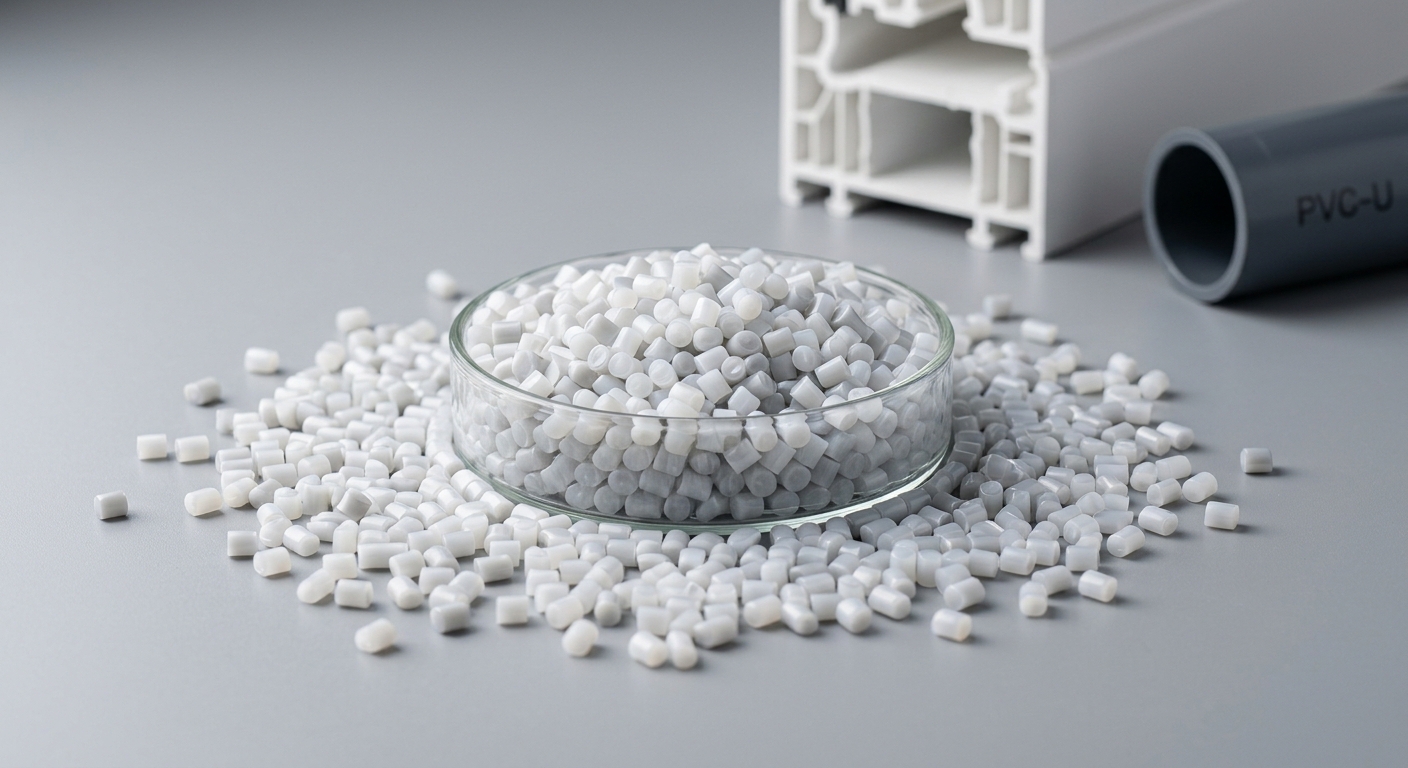
What Are Eco-Friendly Rigid PVC Granules?
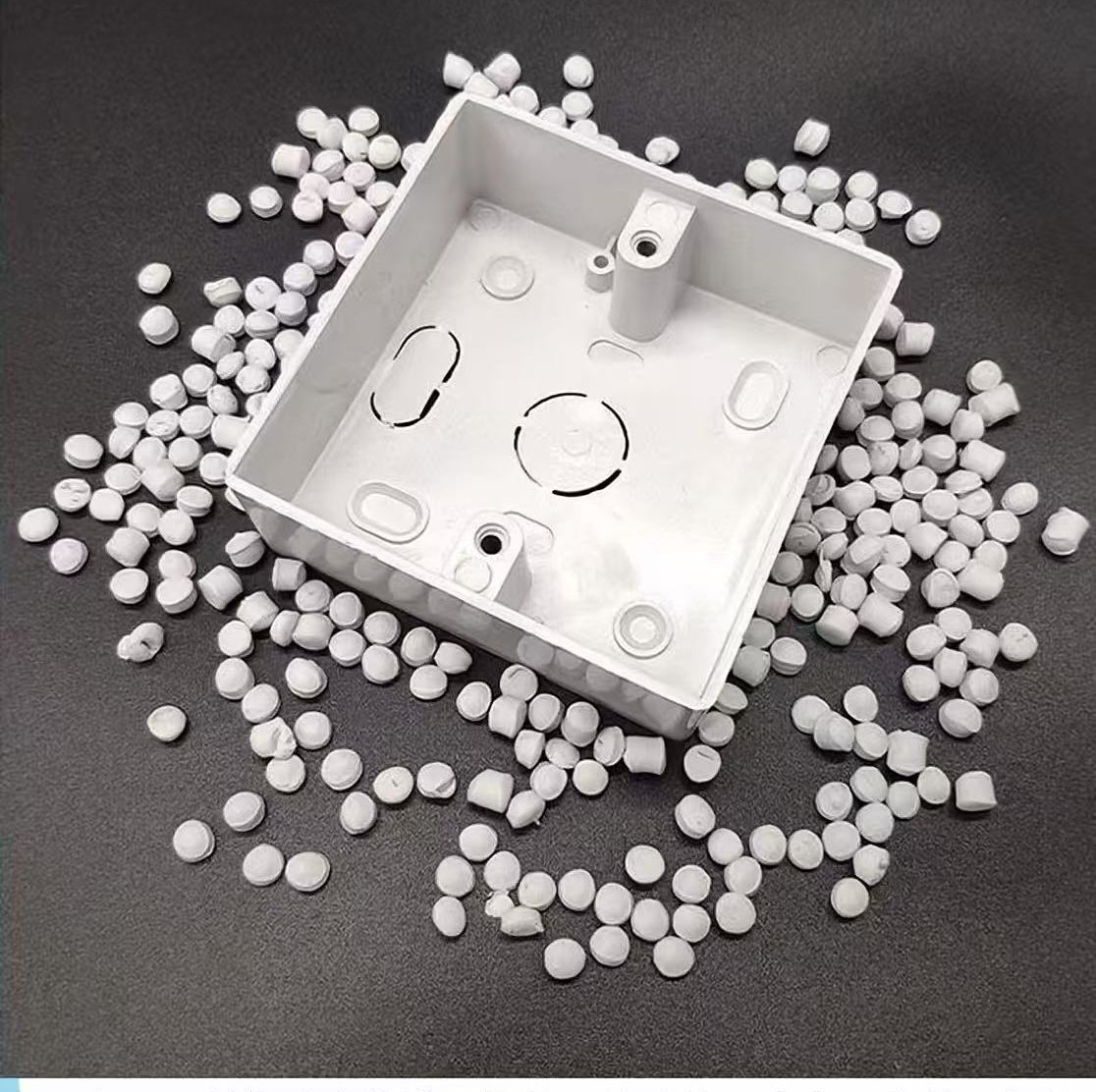
Eco-friendly rigid PVC granules are pre-formulated PVC compounds designed to provide reliable extrusion performance while meeting modern environmental and regulatory requirements. Unlike conventional rigid PVC compounds that may rely on restricted additives, these sustainable PVC granules use compliant stabilizer systems, carefully selected additives, and improved material formulations to support safer production and better recyclability.
Designed for applications such as PVC pipes, window profiles, door frames, and other extrusion products, eco-friendly rigid PVC granules help manufacturers achieve consistent processing performance without compromising mechanical strength or durability. Key features include lead-free stabilization, improved regulatory compliance, and compatibility with sustainability-focused manufacturing requirements.
By integrating environmental considerations into the compound formulation stage, eco-friendly rigid PVC granules allow processors to reduce compliance risks, improve material traceability, and respond to increasing demand for sustainable PVC solutions across global markets.
Types of Rigid PVC Granules for Different Applications
Rigid PVC granules can be classified based on their application requirements, formulation design, and processing conditions. Different industries require specific compound characteristics to achieve the right balance between mechanical strength, durability, weather resistance, and regulatory compliance.
For example, pipe-grade rigid PVC granules are typically developed for pressure resistance, chemical stability, and long-term durability in water supply and drainage systems. Profile-grade PVC granules focus more on weatherability, surface quality, dimensional stability, and long-term outdoor performance for applications such as windows and doors.
Eco-friendly formulations allow manufacturers to optimize these performance requirements while reducing restricted substances and improving material sustainability. By selecting the right PVC compound formulation, processors can achieve consistent production performance while meeting evolving environmental standards.
The Core Eco Problems Rigid PVC Processors Face in Production
Compliance Risks from Restricted Additives
One of the biggest challenges for rigid PVC processors is managing restricted substances in traditional formulations. Lead-based heat stabilizers, once widely used for thermal stability during processing, are now restricted under regulations such as REACH and RoHS due to their environmental and health concerns. These restrictions create compliance risks for manufacturers using conventional rigid PVC granules, especially in applications requiring strict material declarations and certifications.
Phthalate-based additives can create additional regulatory barriers. Although rigid PVC typically contains less plasticizer than flexible PVC, restricted phthalates such as DEHP, DBP, and BBP may complicate documentation, increase compliance requirements, and limit applications in sensitive markets such as potable water, food contact, and consumer products.
For processors, these compliance issues can result in failed audits, shipment delays, supplier requalification costs, and reduced access to regulated markets. Choosing compliant rigid PVC granules helps manufacturers minimize these risks before they enter the production stage.
Sustainability Challenges in Conventional Rigid PVC Compounds
Beyond regulatory compliance, traditional rigid PVC compounds often face sustainability limitations that affect manufacturers pursuing green procurement requirements. Key challenges include:
- Limited carbon transparency: Many conventional compounds lack verified lifecycle data, making it difficult for manufacturers to provide carbon footprint information or support customer sustainability reporting.
- Recycling limitations: Legacy additives may affect recyclate quality and make closed-loop recycling more challenging.
- Insufficient sustainable content: Conventional formulations often provide limited options for incorporating recycled materials or meeting sustainability targets.
These challenges can reduce competitiveness in projects requiring environmental documentation, supplier assessments, or green building certifications such as LEED and BREEAM.
How Eco-Friendly Rigid PVC Granules Are Engineered to Solve These Problems
Compliant Stabilizer and Additive Systems
The stabilizer system is a key factor in developing eco-friendly rigid PVC granules. Calcium-zinc (Ca/Zn) stabilizers have become a reliable alternative to traditional lead-based systems, providing the thermal stability required for rigid PVC extrusion applications such as pipes and profiles. These lead-free stabilizer systems support processing temperatures of 170–200°C while meeting major regulatory requirements, including REACH and RoHS compliance.
For applications requiring stricter material control, phthalate-free additive systems offer a safer alternative to restricted plasticizers. Options such as citrate esters, DINCH, and trimellitate-based additives help maintain processing performance while reducing regulatory concerns associated with restricted substances.
Other components used in eco-friendly PVC compounds, including impact modifiers, lubricants, and UV stabilizers, are also selected based on restricted substance compliance. This ensures that each component contributes to a more sustainable and traceable rigid PVC granule formulation.
Performance Retention Without Environmental Compromise
A common concern among manufacturers is whether sustainable PVC materials can maintain the performance of conventional compounds. However, properly engineered eco-friendly rigid PVC granules can deliver comparable mechanical strength, thermal stability, and processing performance while meeting modern environmental requirements.
| Parameter | Conventional Rigid PVC | Eco-Friendly Rigid PVC Granules |
|---|---|---|
| Stabilizer System | Lead-based | Ca/Zn (lead-free) |
| Plasticizer Type | DEHP / phthalate | Phthalate-free |
| REACH Compliance | Partial / Non-compliant | Fully compliant |
| Recyclability | Limited (contaminated recyclate) | Designed for closed-loop recovery |
| 50–80 | 45–52 | 48–55 |
| Vicat Softening Point (°C) | 78–82 | 80–84 |
| Applicable Standards | — | RoHS / REACH / ISO 1163 / EN 1452 |
Tensile strength, Vicat softening point, and impact resistance values in eco-grade formulations are consistent with ISO 1163 rigid PVC compound classifications. Processors do not need to modify die designs, screw configurations, or cooling parameters when transitioning from conventional to compliant grades — a critical factor for minimizing changeover costs.
Processing Compatibility with Existing PVC Extrusion Systems
One important advantage of eco-friendly rigid PVC granules is their compatibility with existing PVC extrusion equipment. Properly formulated compounds can usually run on conventional extrusion lines with only minor adjustments to processing parameters.
Stable melt flow, consistent granule quality, and predictable thermal behavior help processors maintain production efficiency during material transitions. This reduces downtime, minimizes production risks, and allow
Application Scenarios — Rigid PVC Granules for Pipes and Profiles
Rigid PVC Granules for Pressure Pipes and Water Infrastructure
Rigid PVC granules used for pipes must meet strict requirements for mechanical performance, chemical safety, and material compliance. Standards such as EN 1452 and ISO 4422 define key requirements for PVC-U pressure piping systems, including pressure performance, dimensional accuracy, and suitability for applications involving water contact.
Eco-friendly Ca/Zn stabilized rigid PVC granules help manufacturers replace traditional lead-based formulations while maintaining the strength, chemical resistance, and durability required for pressure pipes, drainage systems, and sewer applications. With growing demand for lead-free and REACH-compliant materials, compliant PVC compounds are becoming an important requirement for infrastructure projects and supplier qualification.
Rigid PVC Granules for Window Profiles and Extrusion Applications
Window profiles, door frames, and structural PVC extrusions require long-term weather resistance, dimensional stability, and consistent surface quality. Eco-friendly rigid PVC granules formulated with Ca/Zn stabilizers and suitable UV protection systems can maintain these performance requirements while supporting sustainability goals.
For architectural applications, optimized additive systems help preserve gloss, color stability, and co-extrusion compatibility. This allows profile manufacturers to meet both design expectations and environmental requirements, including green building documentation such as LEED and EPD-related specifications.
Commercial and Regulatory Value of Eco-Friendly Rigid PVC Granules
Reducing Compliance Risks and Audit Challenges
For procurement and quality teams, sourcing eco-friendly rigid PVC granules helps reduce compliance risks and simplify material verification. Reliable suppliers typically provide essential documentation, including Safety Data Sheets (SDS), REACH SVHC declarations, RoHS compliance reports, and material traceability records.
These compliance documents help manufacturers respond more efficiently to customer audits, certification requirements, and regulatory reviews. As supply chains place greater emphasis on transparent material information, documented compliance has become an important factor in supplier qualification and long-term market access.
Supporting Green Procurement and Sustainability Requirements
Eco-friendly rigid PVC granules also help manufacturers meet increasing sustainability expectations from customers, construction projects, and regulatory frameworks. With verified environmental data and responsible material sourcing, compliant PVC compounds can support:
- Environmental reporting: Providing lifecycle information for sustainability assessments and carbon disclosure requirements.
- Green building projects: Supporting documentation needs related to LEED, BREEAM, and EPD-based specifications.
- Supplier qualification: Helping manufacturers meet sustainability criteria used by industrial customers and project owners.
For many manufacturers, material compliance and sustainability documentation are becoming essential requirements rather than optional advantages when competing for regulated markets and large-scale projects.
How to Choose a Reliable Eco-Friendly Rigid PVC Granules Supplier?
Selecting the right eco-friendly rigid PVC granules supplier is essential for ensuring product consistency, regulatory compliance, and long-term production stability. Beyond material price, manufacturers should evaluate several key factors before establishing a supply partnership.
Verify Compliance Documentation and Testing Support
A reliable supplier should provide complete documentation, including REACH declarations, RoHS reports, Safety Data Sheets (SDS), and relevant technical data sheets. Third-party testing records and transparent material information help manufacturers verify compliance requirements before production.
Evaluate Processing Performance and Technical Support
Eco-friendly rigid PVC granules should not only meet sustainability requirements but also deliver stable performance during extrusion. Suppliers with application experience can provide recommended processing parameters, production guidance, and technical support to help manufacturers transition smoothly from conventional compounds.
Check Quality Consistency and Customization Capability
For different applications such as pipes, profiles, and construction components, PVC compound requirements may vary. A qualified supplier should maintain consistent batch quality and offer formulation adjustments based on specific processing conditions, performance targets, and regulatory needs.
By evaluating compliance, technical capability, and quality control systems, manufacturers can select an eco-friendly rigid PVC granules supplier that supports both current production needs and future sustainability goals.
Customized Formulation Capability
Different applications may require different levels of impact resistance, weatherability, processing temperature, and regulatory compliance.
An experienced PVC compound supplier should be able to customize formulations according to specific extrusion conditions, product requirements, and target market standards. This flexibility allows manufacturers to achieve better performance while maintaining compliance with environmental requirements.
Câu hỏi thường gặp
1. What certifications should eco-friendly rigid PVC granules have?
For EU markets, suppliers should provide REACH SVHC declarations, RoHS compliance reports, and relevant material testing. For water applications, additional certifications such as NSF/ANSI 61 may be required depending on the target market.
2. Can eco-friendly rigid PVC granules run on existing extrusion lines?
Yes. Well-designed eco-friendly rigid PVC granules can usually be processed on standard PVC extrusion equipment. Minor adjustments to temperature or screw speed may be needed during initial trials, but major equipment changes are generally unnecessary.
3. How is PVC granule recyclability verified?
Reliable recyclability claims should be supported by third-party testing, recycling performance data, and documentation for recycled content verification. Suppliers should provide transparent test reports rather than unsupported environmental claims.
4. Are eco-friendly rigid PVC granules suitable for pipe applications?
Yes. Eco-friendly rigid PVC granules with compliant stabilizer systems can provide the strength, chemical resistance, and durability required for pressure pipes, drainage systems, and water infrastructure applications.
5. What makes rigid PVC granules more sustainable?
Sustainable rigid PVC granules reduce environmental impact by using compliant additives, improving recyclability, and supporting transparent material documentation. These features help manufacturers meet evolving regulatory and sustainability requirements.
6. How should buyers choose a rigid PVC granules supplier?
Buyers should evaluate supplier certifications, material test reports, processing support, and consistency of quality control. A reliable supplier should provide compliance documentation and technical assistance for application requirements.
7. Can rigid PVC granules be customized for specific applications?
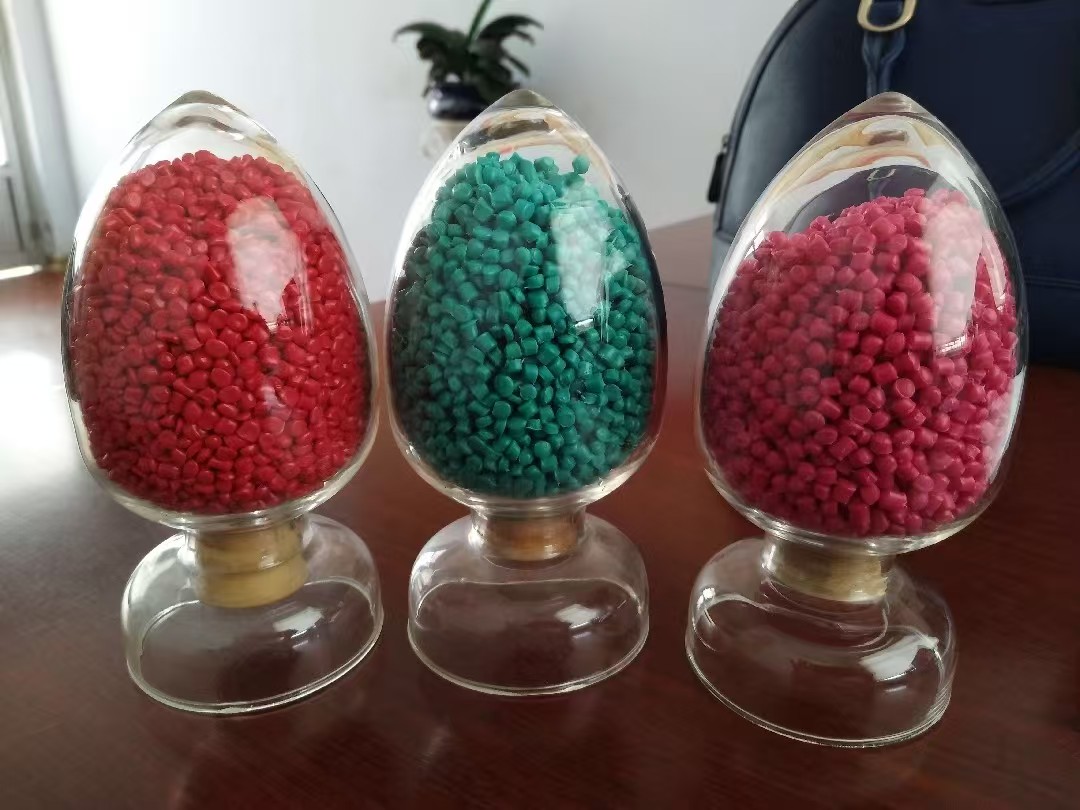
Yes. Many suppliers provide customized rigid PVC granules based on extrusion conditions, mechanical requirements, color specifications, and regulatory standards for different applications.
Kết luận
The environmental challenges faced by rigid PVC processors — including restricted additives, compliance risks, and recycling limitations — can be effectively addressed through advanced compound engineering. Eco-friendly rigid PVC granules replace traditional lead-based stabilizers with compliant alternatives while maintaining the mechanical performance required for pipe and profile applications.
For manufacturers sourcing rigid PVC granules, evaluating material compliance, sustainability documentation, and processing performance is essential for long-term competitiveness. Choosing a reliable supplier with proven quality control and technical support can help reduce compliance risks and support future-ready production.
Contact Dingshengtong today to learn how our eco-friendly rigid PVC granules can support your pipe and profile manufacturing requirements.