Abstract
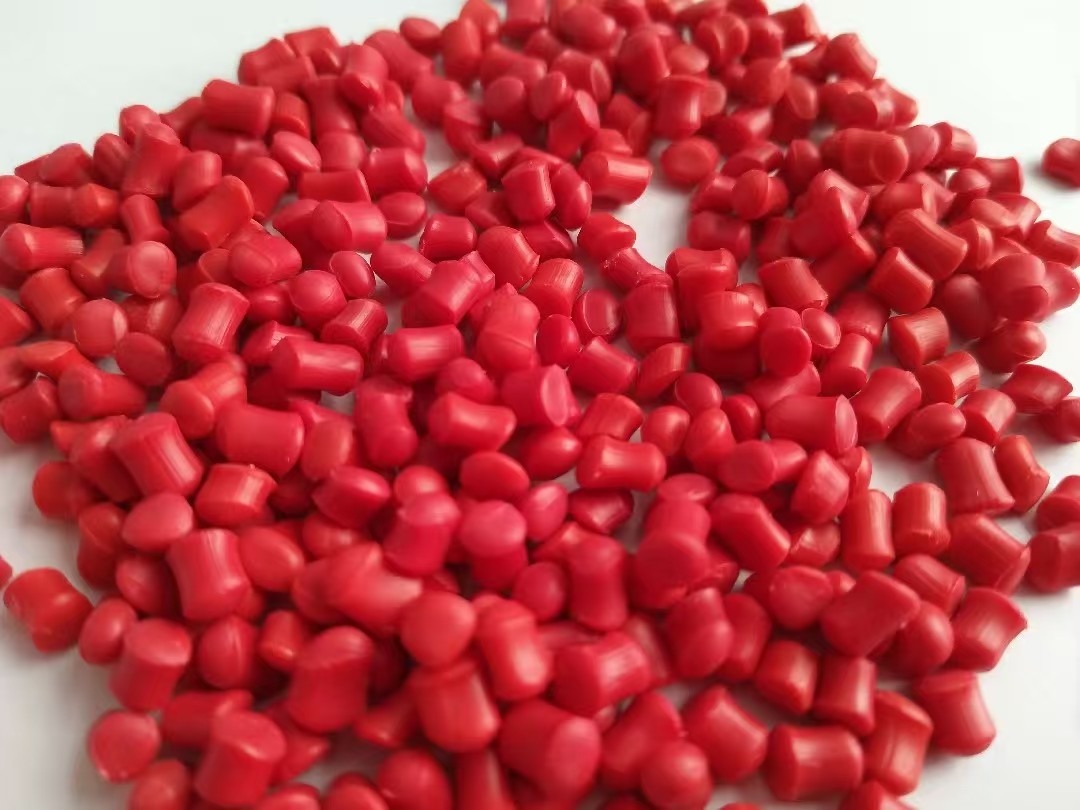
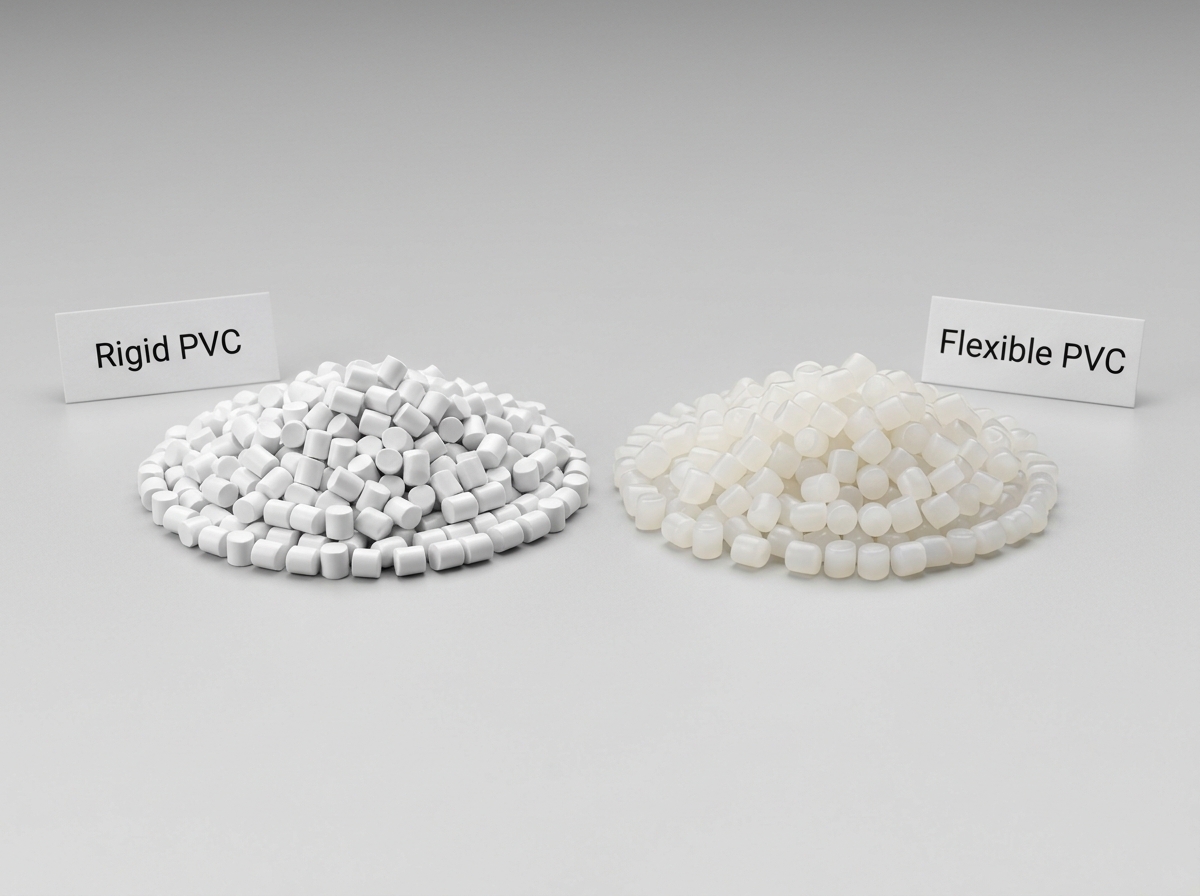
Cứng Hạt nhựa PVC are designed for applications requiring strength, dimensional stability, and structural performance, while flexible PVC granules are formulated for elasticity, impact resistance, and repeated bending. Choosing the right type depends on your product requirements, processing conditions, and compliance needs.
Although both materials are based on the same polymer — polyvinyl chloride (PVC) — their formulations create significant differences in mechanical properties, processing behavior, and end-use suitability. Selecting the wrong PVC granules can lead to poor product performance, higher scrap rates, processing difficulties, and unexpected compliance risks.
This guide compares rigid and flexible PVC granules across four key decision factors: material composition, physical properties, manufacturing requirements, and application suitability. Whether you are producing pipes, profiles, cable insulation, medical tubing, or other PVC products, understanding these differences helps you select the right grade and avoid costly material decisions before working with a supplier.
Understanding the Difference Between Rigid and Flexible PVC Granules
Material Composition & Plasticizer Role
The key difference between rigid and flexible PVC granules is the amount and type of plasticizer added during compounding. Plasticizers are high-boiling-point compounds, such as DINP or other approved alternatives, that modify the interaction between PVC polymer chains and determine the final flexibility, hardness, and processing behavior.
Rigid PVC granules, also known as uPVC or unplasticized PVC, contain little to no plasticizer — typically below 5 parts per hundred resin (phr). Without plasticizers separating the PVC molecular chains, the material maintains stronger internal bonding, resulting in higher hardness, dimensional stability, and structural strength.
Flexible PVC granules, in contrast, contain significantly higher plasticizer levels, typically ranging from approximately 30 phr for semi-flexible grades to 80–100 phr for highly flexible applications such as medical tubing and soft films. These plasticizers increase chain mobility and reduce the glass transition temperature (Tg), allowing the material to bend, stretch, and absorb repeated mechanical stress.
In addition to plasticizers, both rigid and flexible PVC granules may contain stabilizers, lubricants, processing aids, and fillers. However, the selection and concentration of these additives vary significantly depending on the target application, processing method, and regulatory requirements.
Key Physical & Mechanical Property Comparison
The following table summarizes typical performance ranges for commercially available rigid and flexible PVC granules. Actual values may vary depending on formulation, additives, and manufacturing requirements, so buyers should always verify specifications through the supplier’s technical data sheet (TDS).
| Parameter | Hạt nhựa PVC cứng | Hạt nhựa PVC dẻo |
|---|---|---|
| Plasticizer Content (phr) | 0–5 | 30–100 |
| Shore Hardness | Shore D 75–85 | Shore A 50–90 |
| 50–80 | 40–60 | 10–25 |
| 20–40 | 10–80 | 200–400 |
| Heat Resistance (°C) | 60–80 (continuous) | 70–105 (stabilizer-dependent) |
| Typical Density (g/cm³) | 1,35–1,45 | 1.20–1.35 |
The inverse relationship between plasticizer content and tensile strength is a practical design constraint: as flexibility increases, structural load-bearing capacity decreases. Procurement teams must confirm that the selected grade’s tensile and elongation specifications align with the product’s functional stress profile before committing to volume orders.
Processing Requirements: How Each Grade Performs During Manufacturing
Extrusion & Injection Molding Parameters
Rigid and flexible PVC granules require different processing conditions, and applying unsuitable parameters between the two grades can lead to production defects.
Rigid PVC granules are typically processed at barrel temperatures of 160°C–190°C, with a narrow processing window that requires precise temperature control. Screw designs generally use lower compression ratios (2.0–2.5:1) and longer feed zones to minimize shear-induced degradation. Mold and die temperatures are usually maintained at 30°C–50°C. Excessive residence time should be avoided, as PVC degradation can release HCl and cause discoloration or material deterioration, particularly at temperatures above 200°C.
Flexible PVC granules generally process within a range of 150°C–185°C due to the lubricating effect of plasticizers. The improved melt flow allows higher screw speeds and easier processing of complex geometries. However, excessive plasticizer content may cause migration, mold surface contamination, and dimensional instability in precision components. For injection-molded flexible parts, mold temperature control and gate design require careful consideration.
For applications combining both material types, such as window profiles with flexible sealing components, co-extrusion requires precise formulation compatibility and stable processing conditions. Proper adhesion between rigid and flexible PVC layers is essential to prevent interface defects.
Thermal Stability & Stabilizer System Selection
Thermal stability is a critical factor when selecting PVC granules because PVC can degrade during processing through dehydrochlorination, releasing HCl and causing yellowing or material damage. The stabilizer system directly affects processing reliability, product quality, and regulatory compliance.
Lead-based stabilizers were historically used in rigid PVC pipes and profiles due to their excellent heat stability and cost efficiency. However, environmental regulations such as RoHS and REACH have accelerated the adoption of calcium-zinc (Ca-Zn) stabilizers, particularly for export-oriented PVC production.
Organotin stabilizers remain common in transparent rigid PVC applications, such as clear packaging, because of their excellent optical properties. For flexible PVC granules used in electrical insulation and specialized applications, stabilizer selection must consider electrical performance, environmental requirements, and target market regulations.
When sourcing PVC granules, buyers should verify the stabilizer system, compliance documentation, and applicable certifications before placing orders. The correct stabilizer formulation ensures reliable processing performance and helps finished products meet regulatory requirements in international markets.
End-Use Applications: Choosing the Right PVC Granules for Different Products
Rigid PVC Granules — Primary Application Sectors
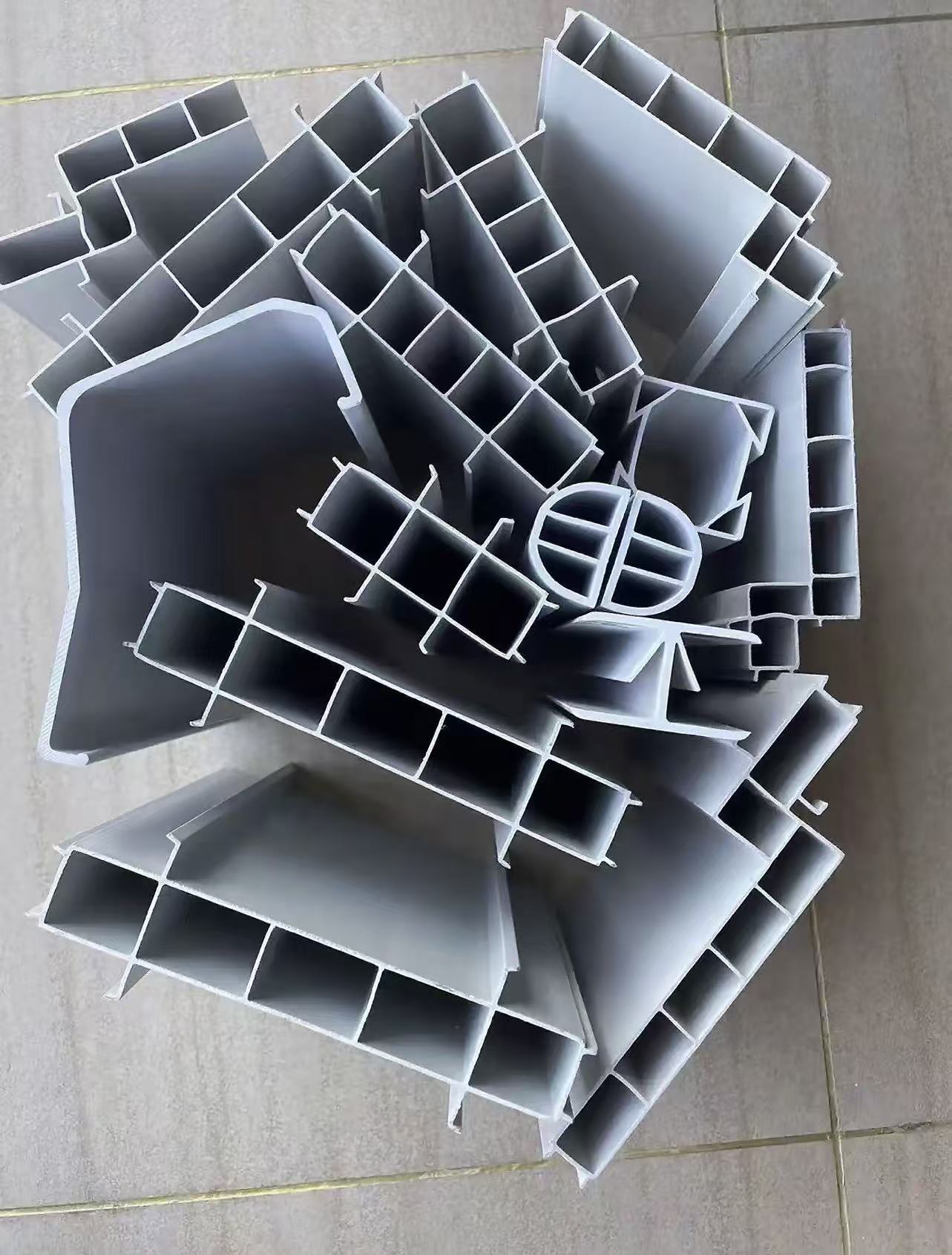
Rigid PVC granules are mainly used in structural and semi-structural products where dimensional stability, mechanical strength, and chemical resistance are more important than flexibility.
- Building profiles & window frames: Require impact-modified rigid PVC with notched Izod impact strength above 20 kJ/m², UV stabilization (typically TiO₂ and UV absorbers), and weathering performance according to EN 12608 or ASTM D4726.
- Pressure pipe systems (water, drainage, conduit): Commonly follow standards such as ISO 4422 for uPVC pressure pipes and ASTM D1785. Key requirements include ring stiffness, hydrostatic pressure resistance, and long-term thermal stability.
- Electrical cable ducting & trunking: Require flame-retardant performance such as UL 94 V-0 or V-2, accurate dimensional control for snap-fit assembly, and consistent surface quality.
- Rigid packaging (blister packs, clamshells): Require food-contact compliance (FDA 21 CFR or EU 10/2011), optical clarity, and stable thermoforming performance.
Flexible PVC Granules — Primary Application Sectors
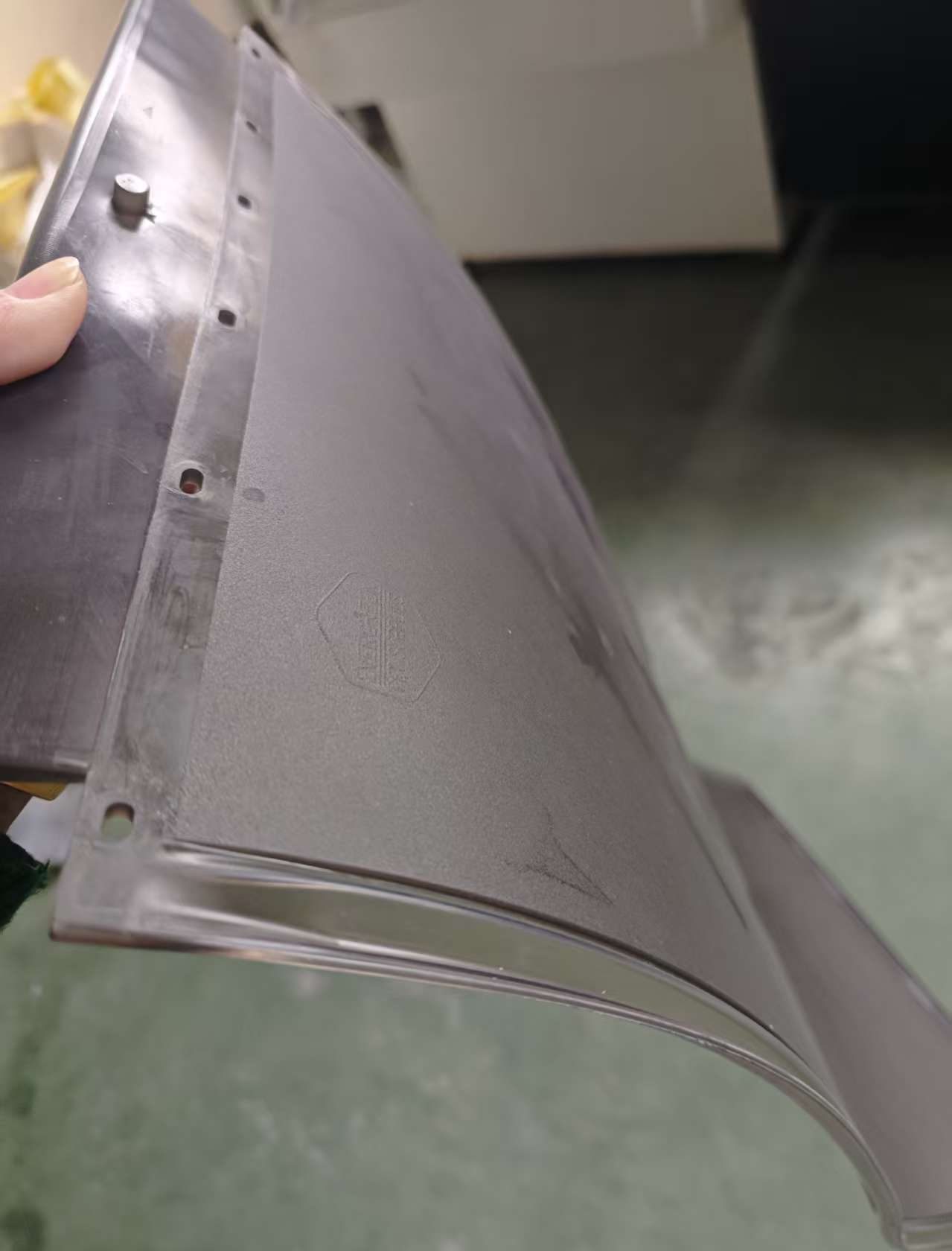
Flexible PVC granules are selected for applications requiring flexibility, sealing performance, impact absorption, or repeated bending resistance without cracking or fatigue failure.
- Wire & cable insulation/jacketing: One of the largest application areas for flexible PVC. Compounds must meet standards such as UL 83, UL 62, or IEC 60227, with controlled electrical insulation properties, temperature ratings (60°C, 75°C, or 90°C classes), and flame performance.
- Medical tubing & fluid handling: Requires phthalate-free plasticizers such as DINCH or TOTM, compliance with FDA/USP Class VI or ISO 10993 requirements, and precise dimensional control for flow-critical applications.
- Automotive sealing strips & interior trim: Demand low-temperature flexibility (cold flex performance at −30°C to −40°C), UV and ozone resistance, and compression set performance according to ISO 815.
- Flooring & artificial leather: Prioritize low plasticizer migration, abrasion resistance, surface durability, and consistent color performance between production batches.
Compliance, Standards & Procurement Considerations
Regulatory & Certification Requirements
Compliance requirements vary significantly between PVC grades and are mainly determined by the final application. Selecting an unsuitable PVC formulation can create regulatory risks, product failures, and market access issues.
- RoHS 2 (EU 2011/65/EU): Restricts substances including DEHP, BBP, DBP, and DIBP in electrical and electronic equipment. Flexible PVC used for cable insulation in EEE applications must use compliant plasticizers and be supported by supplier declarations of conformity.
- REACH SVHC: Applies to PVC compounds exported to the European market. Suppliers should provide SVHC declarations confirming that restricted substances of very high concern do not exceed the applicable threshold of 0.1% w/w.
- FDA 21 CFR 177.2600 and 21 CFR 178.3740: Apply to flexible PVC used in food-contact and medical-related applications in the US. For European markets, equivalent requirements are covered under Regulation (EU) 10/2011 for plastic food-contact materials.
- UL 94 Flammability Rating: Classifications such as V-0, V-1, V-2, and HB are commonly required for rigid PVC electrical components and flexible PVC cable applications. Buyers should request UL Yellow Card documentation when flame-retardant performance is a key requirement.
Commercial & Supply Chain Decision Factors
Beyond technical performance, procurement teams should evaluate key supply factors when selecting a PVC granules supplier:
- Minimum Order Quantity (MOQ): Standard rigid PVC compounds usually support MOQs of 1–5 MT for regular grades, while custom colors or specialty formulations may require higher volumes.
- Color customization: PVC granules can be customized through masterbatch or dry-blend pigmentation. Confirm color tolerance requirements (such as ΔE <1.0 for critical applications) and batch consistency before mass production.
- Packaging formats: Standard packaging includes 25 kg PE-lined woven bags, while 500 kg or 1,000 kg FIBC bulk bags are commonly used for larger orders. Moisture-sensitive compounds may require additional protective packaging.
- Lead time: Stock PVC compounds typically ship within 5–10 business days, while customized formulations may require 15–30 days for formulation adjustment, quality testing, and documentation preparation.
- Technical documentation: Before placing bulk orders, request essential documents including TDS, SDS, RoHS/REACH declarations, and third-party test reports to verify product quality and compliance.
How to Choose the Right PVC Granules Supplier?
Selecting a reliable PVC granules supplier requires more than comparing prices. Buyers should evaluate material quality, formulation capability, technical support, and supply reliability to ensure consistent production performance.
1. Formulation Capability
Different applications require different PVC formulations. A qualified supplier should provide customized PVC granules based on requirements such as:
- Hardness and flexibility
- Plasticizer and stabilizer systems
- Flame resistance
- UV stability
- Color specifications
Suppliers with strong compounding experience can recommend suitable grades for injection molding, extrusion, cable, packaging, or other applications.
2. Quality Control & Consistency
Stable batch quality is essential for efficient PVC processing. Variations in formulation or additive dispersion may lead to processing issues, color differences, and inconsistent product performance.
Before cooperation, confirm whether the supplier provides:
- Batch testing records
- Quality inspection procedures
- Consistent technical data
- Production capability for long-term supply
3. Technical Documentation & Support
A professional PVC granules manufacturer should provide complete documentation to support product verification and market compliance, including:
- Bảng Dữ Liệu Kỹ Thuật (TDS)
- Safety Data Sheet (SDS)
- RoHS and REACH declarations
- Relevant test reports
For specialized applications such as medical, food-contact, or electrical products, confirm compliance requirements before bulk purchasing.
4. Supply Reliability
Beyond product performance, buyers should consider MOQ, lead time, packaging options, and export experience. A dependable PVC granules supplier should provide stable supply and technical assistance throughout the cooperation process.
Choosing a supplier with proven formulation expertise, strict quality control, and reliable support helps reduce production risks and ensures consistent PVC product performance.
Câu hỏi thường gặp
Q1: Can I replace flexible PVC granules with rigid PVC granules in the same mold without modification?
No. Rigid and flexible PVC granules have different melt flow, shrinkage behavior, and mechanical properties. Using the wrong grade may cause dimensional errors, surface defects, and poor product performance. Mold adjustments or reformulation are usually required when changing PVC types.
Q2: What plasticizer content makes PVC granules flexible?
PVC compounds are generally considered flexible when plasticizer content exceeds around 20–25 phr. However, plasticizer type is equally important, especially for medical and food-contact applications. Always verify plasticizer composition and regulatory compliance rather than relying only on flexibility classification.
Q3: How can I verify a PVC granule supplier’s RoHS and REACH compliance?
Request RoHS declarations, REACH SVHC statements, and third-party test reports from accredited laboratories. Ensure documents match the specific PVC granule grade being supplied and confirm compliance status before placing bulk orders.
Q4: What are the main applications of rigid PVC granules?
Rigid PVC granules are widely used for pipes, window profiles, electrical ducts, and rigid packaging. They are preferred where high dimensional stability, impact resistance, chemical resistance, and long-term durability are required.
Q5: What are the main applications of flexible PVC granules?
Flexible PVC granules are commonly used for cable insulation, medical tubing, sealing products, flooring, and artificial leather. Their flexibility, low-temperature performance, and resistance to repeated bending make them suitable for soft and dynamic applications.
Q6: How do I choose the right PVC granules for injection molding?
Select PVC granules based on product requirements, processing conditions, and regulatory needs. Key factors include hardness, flexibility, stabilizer system, plasticizer type, melt flow, and required certifications for the final application.
Kết luận
Choosing the right PVC granules depends on three factors: the mechanical requirements of the final product, processing conditions, and target market compliance.
Rigid PVC granules are ideal for applications requiring strength, dimensional stability, and chemical resistance, while flexible PVC granules deliver elasticity, impact absorption, and long-term flexibility for demanding environments.
Before placing an order, confirm key specifications including plasticizer content, stabilizer system, mechanical properties, certifications, and supply capabilities. A reliable PVC granule supplier should provide complete technical documentation and support grade selection based on your application needs.
If you need help selecting the right PVC granule formulation for your product requirements, contact Dingshengtong for professional guidance and customized solutions.