Introduction
When sourcing PVC granules for toy components, price per kilogram is usually the first factor buyers notice. However, the lowest quoted price often becomes the most expensive due to reject rates, processing issues, regulatory risks, and brand damage.
Experienced toy manufacturers know that poor-quality PVC granules cause serious problems: failed safety tests lead to scrapped inventory and delayed shipments, while inconsistent flow and colorability result in production downtime and low-quality finished products.
The real question is how to distinguish genuine value from a deceptively low price. The key lies in evaluating total cost and performance rather than just unit price.
Why safety certifications are the first thing to check
This is where the evaluation must begin, because no amount of cost savings justifies a product that fails to meet toy safety standards. For PVC granules used in toy components, the baseline requirements are well established.
The European EN-71 standard and the American ASTM F963 are the two most widely recognized toy safety frameworks. Compliance with these standards is not optional—it is the price of entry into major global markets. EN-71 Part 3 specifically addresses migration of certain elements, while ASTM F963 covers requirements including eight heavy metals like arsenic, barium, cadmium, chromium, lead, mercury, and selenium.
Beyond these, responsible manufacturers also ensure compliance with CPSIA (Consumer Product Safety Improvement Act) in the US market, REACH and RoHS regulations in Europe, and specific phthalate restrictions. The term “phthalate-free” has become particularly important as regulatory scrutiny on plasticizers has intensified.
When evaluating a supplier of PVC granules for toy components, ask for documentation that proves compliance with all relevant standards for your target markets. A supplier who cannot produce this documentation is not offering value at any price—they are offering risk. Remember that reputable PVC granules for toys should come with full certification packages that make regulatory audits smoother.
Mechanical properties: what you are actually paying for
The price of PVC granules reflects, in part, the quality of the formulation. Higher-quality compounds deliver better mechanical performance, which translates directly into fewer product failures and lower warranty costs.
For toy applications, the key mechanical properties to evaluate include:
-
Impact strength: toys are dropped, thrown, and stepped on. PVC granules for toy components with high impact resistance prevent cracking and breaking during normal play.
-
Độ linh hoạt: different components require different levels of rigidity. A doll’s joint needs flexibility; a building block needs structural integrity. The right PVC compound can be formulated for either.
-
Surface finish: toys with intricate details—action figures, scale models, educational toys—require materials that capture fine details without surface defects.
-
Color stability: vibrant, consistent colors that resist fading over time are essential for brand recognition and consumer satisfaction.
A lower-priced PVC granule that produces parts with poor surface finish, inconsistent color, or low impact resistance is not a bargain. It is a liability that will show up as customer complaints and returns. Quality PVC granules for toy applications deliver consistent mechanical properties batch after batch, which is why experienced manufacturers are willing to pay a premium for proven materials.
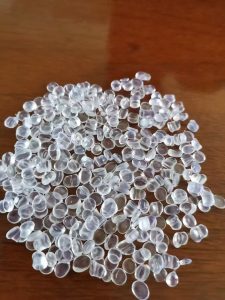
Processing performance: the hidden cost factor
The price per kilogram tells you what you pay for the material. It does not tell you what you pay to process it. This is where many manufacturers discover that cheap PVC granules for toy components are anything but cheap.
Key processing considerations include:
-
Flow characteristics
Granules with good flow properties fill molds more consistently and reduce cycle times. Poor flow leads to short shots, weld lines, and other defects that increase reject rates.
-
Thermal stability
PVC is sensitive to heat. Compounds with adequate thermal stability process reliably without degradation. Unstable materials can release corrosive gases, damage equipment, and produce parts with discoloration or reduced mechanical properties. PVC’s melting range is typically 160-200°C, and melt temperature should not exceed 200°C to avoid decomposition.
-
Batch-to-batch consistency
If every batch of PVC granules for toy components behaves differently, you will spend endless hours adjusting machine settings. Consistent material means predictable processing and fewer headaches on the production floor.
-
Drying requirements
Unlike some other plastics, PVC absorbs very little water and typically does not require drying before processing. This saves time and energy compared to materials that need pre-drying.
A material that costs 5% less but causes 10% more rejects is actually more expensive in the end. Smart buyers calculate the total cost of ownership for PVC granules for toys, not just the purchase price.
The true cost of cheap PVC granules
Industry sources suggest that poor-quality PVC granules for toy components can result in reject rates as high as 20% to 30% due to poor flow, plasticizer migration, and bubble formation during molding. This underscores why choosing the right PVC granules for toy components is critical for maintaining production efficiency.
When you calculate the true cost of using PVC granules for toy manufacturing, consider these factors:
-
Material cost per kilogram (the obvious cost)
-
Reject rate and scrap material loss
-
Machine downtime for cleaning and adjustments
-
Rework labor for fixing defective parts
-
Customer returns and warranty claims
-
Brand reputation damage from poor-quality products
-
Regulatory fines if materials fail compliance testing
Quality PVC granules for toy components typically cost 10-15% more than inferior alternatives, but they can reduce reject rates from 20% to under 2%. That difference alone more than pays for the higher material cost.
Why choosing the right PVC compound matters for toy safety
Children’s toys are subject to some of the strictest safety regulations in the world. When you select PVC granules for toy components, you are not just choosing a material—you are choosing to protect children’s health.
Phthalates are plasticizers added to PVC to make it flexible. Some phthalates have been linked to endocrine disruption and other health concerns. This is why regulations in the EU (REACH) and the US (CPSIA) restrict certain phthalates in toys. Responsible suppliers of PVC granules for toys offer phthalate-free formulations that comply with these regulations.
Lead and other heavy metals are also strictly regulated. EN-71 Part 3 and ASTM F963 limit the migration of heavy metals from toy materials. Quality PVC granules for toy components are formulated with pigments and stabilizers that meet these limits.
Using non-compliant PVC granules for toy applications is simply not an option for any legitimate manufacturer. The cost of a product recall or regulatory fine far exceeds any savings from cheaper materials.
Different PVC grades for different toy applications
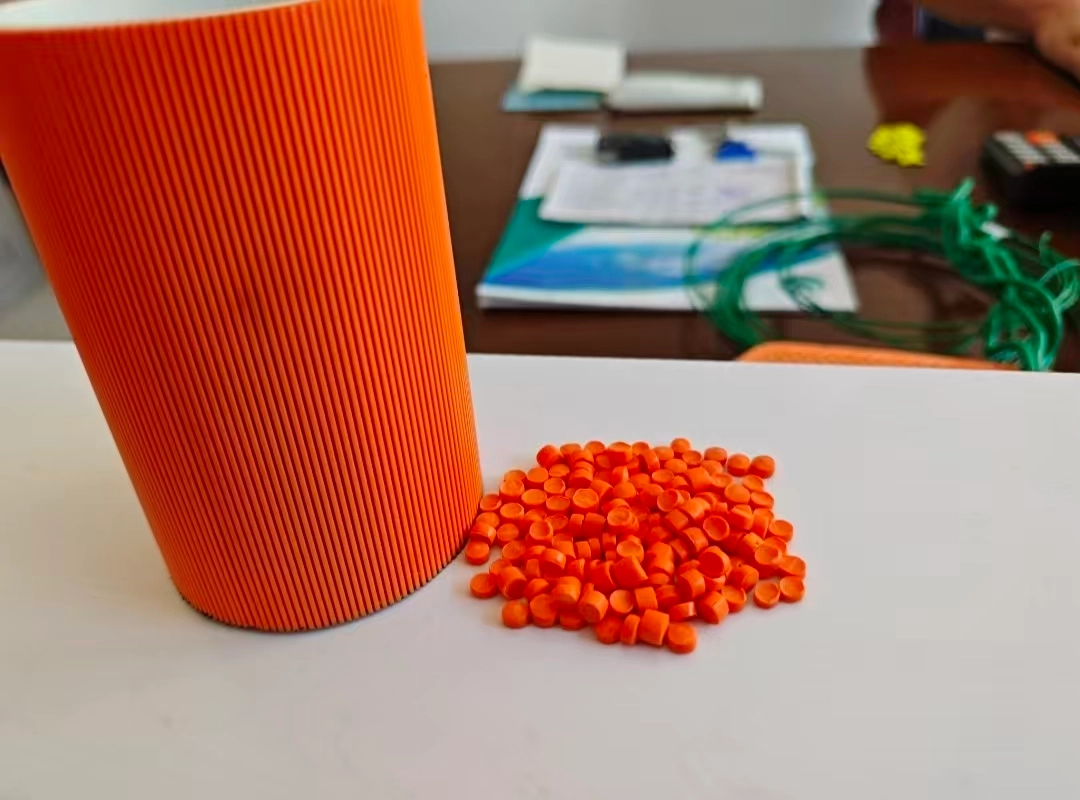
Not all PVC granules for toy components are the same. Different toys require different material properties, and choosing the right grade is essential for both performance and cost-effectiveness.
Rigid PVC (also called unplasticized PVC or UPVC) contains little or no plasticizer. It is hard, strong, and dimensionally stable. Typical applications include:
-
Building blocks and construction toys
-
Model car bodies and structural parts
-
Educational toys that need rigidity
-
Toy parts that require precision molding
Flexible PVC contains plasticizers that make it soft and bendable. The hardness can range from very soft (like a teether) to semi-rigid. Typical applications include:
-
Doll limbs and joints
-
Soft toys and squeezable figures
-
Toy tires and wheels
-
Teethers and baby toys
Custom formulations can be developed for specific needs. For example, outdoor toys may need UV stabilizers to prevent fading. Collectible models may need special gloss additives. A good supplier of PVC granules for toy components should be able to offer both standard and custom formulations.
The role of additives in PVC granules for toys
PVC granules for toy components contain more than just PVC resin. Additives are essential for achieving the right properties, and the quality of these additives affects both performance and cost.
Common additives in PVC granules for toys include:
-
Chất hóa dẻo: make the material flexible (phthalate-free alternatives like citrates or terephthalates are now standard)
-
Stabilizers: prevent degradation during processing (calcium-zinc stabilizers are preferred for toy applications)
-
Bột màu: provide color (must be food-grade or toy-grade with low heavy metal content)
-
Chất độn: reduce cost but can affect properties (higher-quality granules use less filler)
-
Chất bôi trơn: improve flow and release from molds
-
Impact modifiers: increase resistance to breaking
The quality and quantity of these additives directly affect the price of PVC granules for toy components. Cheaper granules often use lower-quality additives or higher filler content, which can compromise performance.
Supplier evaluation: what to look for
Beyond the material itself, the supplier’s capabilities matter greatly when sourcing PVC granules for toy components. Here is what to look for:
Technical support. Can the supplier help you optimize processing parameters? Do they understand injection molding and extrusion? A supplier who provides technical support adds value beyond the material itself.
Custom formulation capability. Not all toys are the same. Some need rigid components; others need soft, flexible parts. A supplier who can formulate custom PVC granules for toy applications is more valuable than one who offers only standard grades.
Testing and quality control. Ask about the supplier’s testing procedures. Do they test every batch? What tests do they perform? A supplier with robust quality control is less likely to send you non-conforming PVC granules for toy components.
Lead times and supply reliability. A low price does not help if the supplier cannot deliver on time. Evaluate their production capacity and track record for on-time delivery.
Regulatory knowledge. The toy industry is heavily regulated. A supplier who understands EN-71, ASTM F963, CPSIA, and REACH requirements can help you navigate compliance issues.
The value of regulatory compliance
One of the most overlooked aspects of value is regulatory compliance. A supplier who provides comprehensive documentation—certificates of analysis, safety data sheets, and compliance declarations—saves you time and money.
When your products are audited or tested by regulators, having proper documentation from your PVC granule supplier makes the process smoother. Without it, you may face delays, fines, or even product recalls.
For toy manufacturers exporting to multiple regions, working with a supplier whose PVC granules for toy components comply with EN-71, ASTM F963, CPSIA, and REACH simplifies the compliance process enormously. One material, one set of documentation—and it satisfies regulators in multiple markets.
Common mistakes when buying PVC granules for toys
Manufacturers often make these mistakes when purchasing PVC granules for toy components:
Mistake 1: Focusing only on price. The lowest price often leads to the highest total cost due to reject rates and production problems.
Mistake 2: Not verifying certifications. Some suppliers claim compliance but cannot provide documentation. Always ask for certificates and test reports.
Mistake 3: Skipping trial runs. Never commit to a large order without testing the material on your production line.
Mistake 4: Ignoring batch consistency. A good first batch does not guarantee consistent quality. Ask about the supplier’s quality control systems.
Mistake 5: Overlooking technical support. A supplier who cannot help with processing problems is not a good partner.
Making the decision: price vs value
So how do you make the final decision when choosing PVC granules for toy components? Here is a practical framework:
Step 1: Define your requirements. What safety standards must the material meet? What mechanical properties does your product need? What are your processing conditions?
Step 2: Get samples and test them. Do not rely solely on data sheets. Run trial batches with PVC granules from each supplier you are considering. Measure reject rates, cycle times, and final product quality.
Step 3: Calculate total cost. Include material cost, processing cost (including rejects and downtime), and potential liability cost (regulatory non-compliance, customer returns).
Step 4: Evaluate the supplier. Consider their technical capabilities, quality control, and track record.
Step 5: Make the decision. Choose the option that offers the best balance of cost, quality, and reliability—not necessarily the lowest price.
Câu hỏi thường gặp
Q: What safety standards should PVC granules for toys meet?
A: For toys sold in major global markets, PVC granules should comply with EN-71 (Europe) and ASTM F963 (USA). Additional requirements include CPSIA (US), REACH and RoHS (Europe), and specific phthalate restrictions. Always ask your supplier for documentation proving compliance with all relevant standards for your target markets.
Q: What does “phthalate-free” mean and why is it important?
A: Phthalates are plasticizers used to make PVC flexible. Some phthalates have been linked to health concerns, especially for children. Regulations in the EU and US restrict certain phthalates in toys. “Phthalate-free” means the PVC compound uses safer alternatives like citrates or terephthalates instead of restricted phthalates.
Q: What is the difference between rigid and flexible PVC granules?
A: Rigid PVC has little or no plasticizer added—it is hard and strong, good for structural parts like building blocks or model car bodies. Flexible PVC contains plasticizers that make it soft and bendable, suitable for doll joints, teethers, or squeezable toys. The same supplier of PVC granules for toy components can often formulate both types.
Q: What processing methods are used for PVC toy components?
A: Injection molding is the most common method for complex, detailed parts like figurines, wheels, and miniature accessories. Extrusion is used for larger components like play mats or continuous profiles. PVC’s melting range is typically 160-200°C, and the melt temperature should not exceed 200°C to avoid decomposition.
Q: How can I tell if a PVC granule supplier is reliable?
A: Look for suppliers who provide comprehensive documentation (certificates of analysis, safety data sheets, compliance declarations), offer technical support, have robust quality control procedures, and can formulate custom PVC granules for toy applications. Ask about their testing procedures and whether they test every batch.
Kết luận
Evaluating PVC granules for toy components goes far beyond the initial price tag. True value lies in seamless processing, mechanical performance, and strict safety compliance. While a cheaper alternative often invites production disruptions and regulatory risks, premium materials from a reputable supplier deliver a much higher long-term return on investment.
Ultimately, when you choose PVC granules for your toys, you are buying operational efficiency, peace of mind, and market confidence.
Optimize Your Production Today
To secure PVC granules for your toys that perfectly balance safety, performance, and cost, you need a partner who understands the industry’s unique demands. Don’t risk compliance—ensure your materials are phthalate-free and fully certified to EN-71 and ASTM F963.
[Contact our team today] to explore our targeted solutions, from rigid granules for building blocks to flexible compounds for soft toys. Let’s collaborate to find the ideal formulation that drives your manufacturing success.