
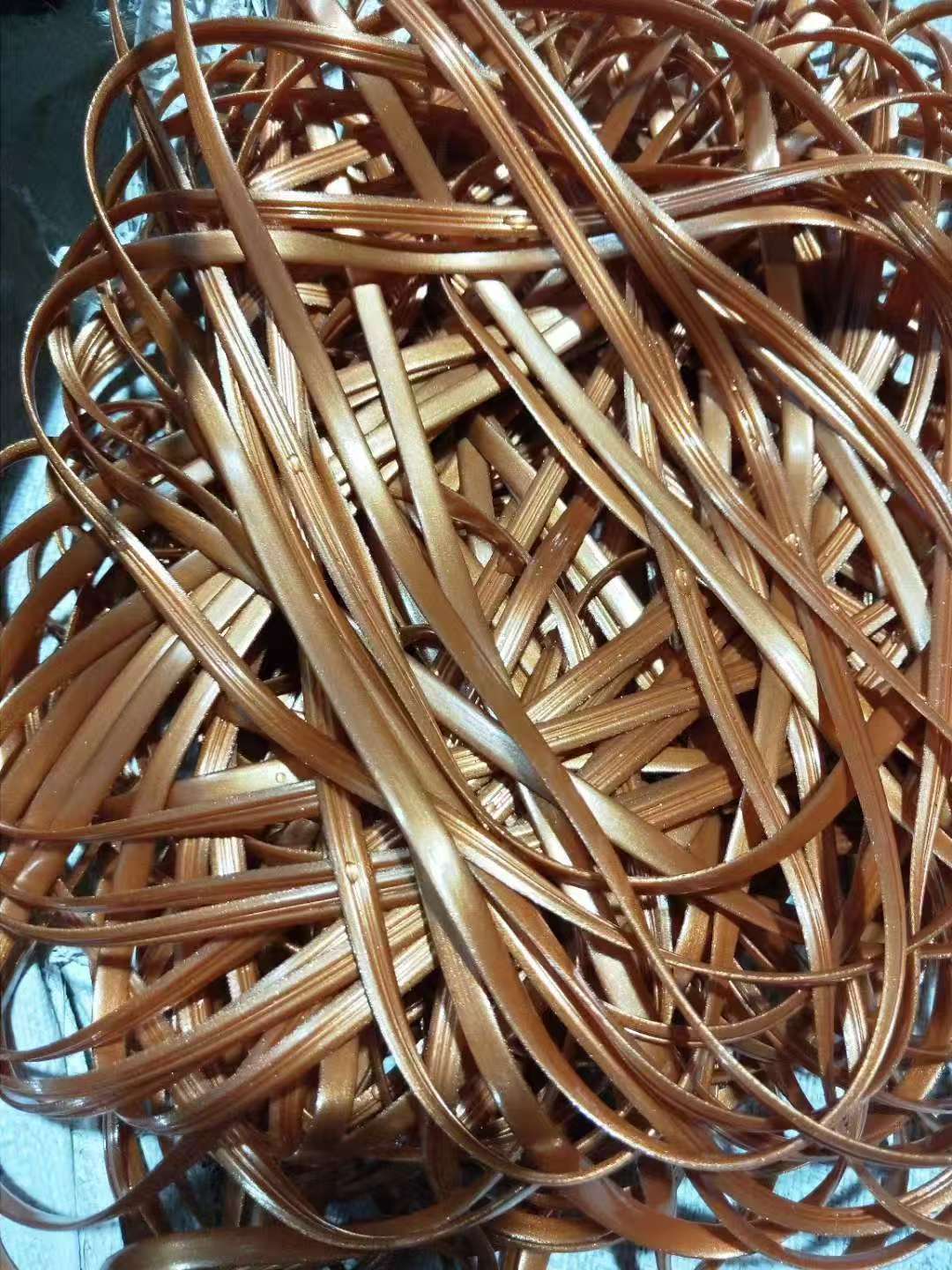
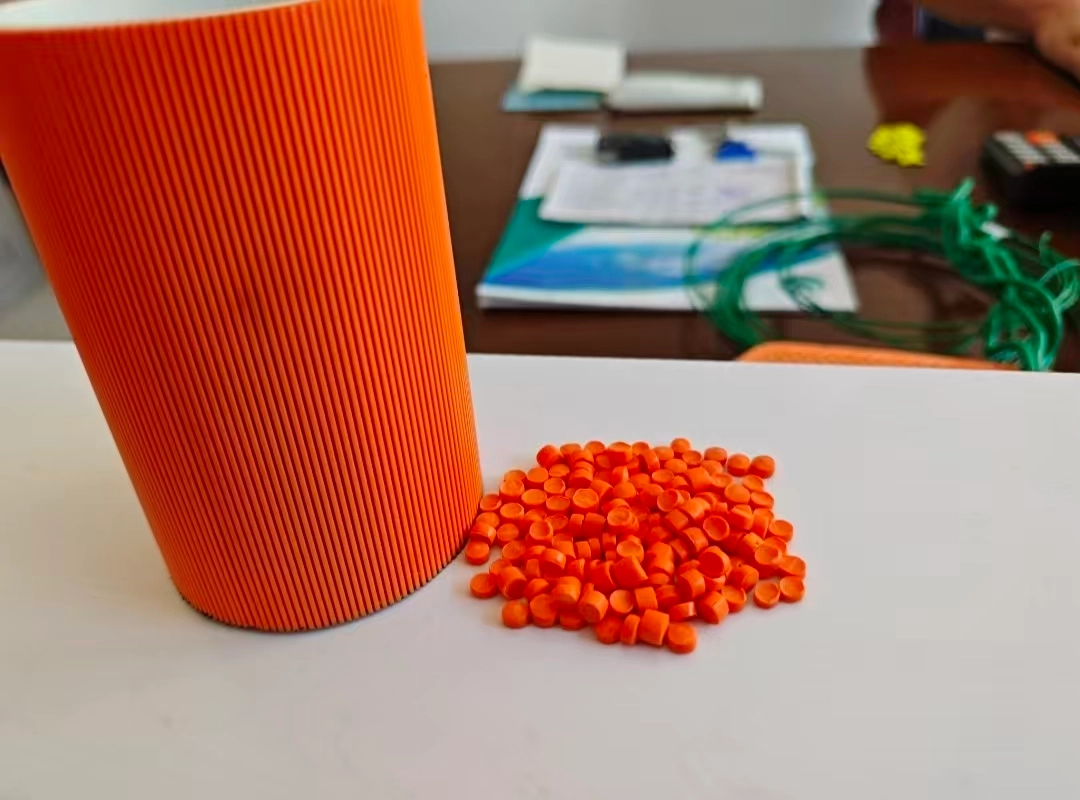
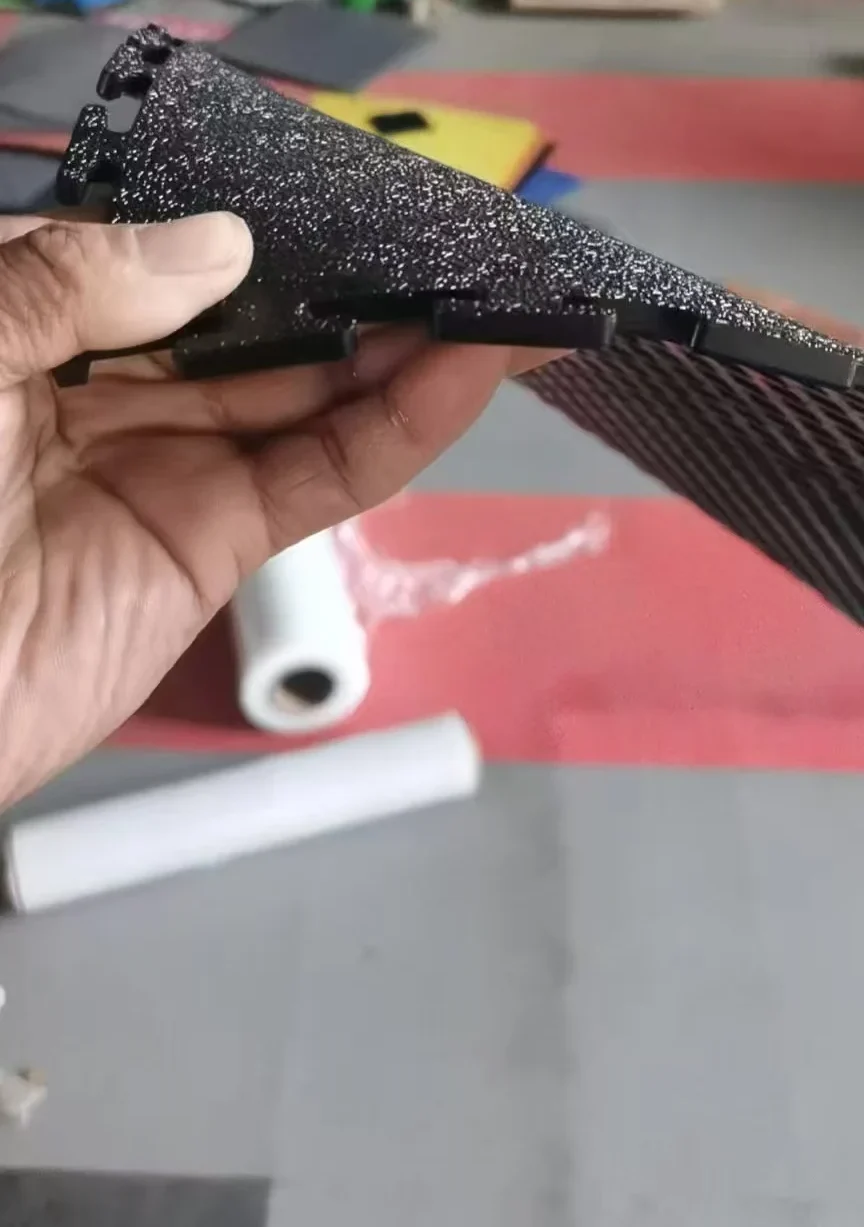
Injection molding defects are not always caused by machine settings or mold design. Material inconsistency can also affect filling performance, surface quality, and dimensional accuracy. Custom PVC Granules provide manufacturers with more predictable processing behavior by matching material formulation with specific product requirements. This helps reduce common issues such as short shots, weld lines, discoloration, and shrinkage variations while creating a more stable foundation for efficient production.
Why Do Injection Molding Manufacturers Need More Specialized PVC Granules?
Injection molding is a highly controlled manufacturing process where even small differences in material performance can affect part quality, production efficiency, and overall cost. While manufacturers often focus on mold design, temperature settings, and injection pressure, the characteristics of the raw material play an equally important role in achieving consistent results.
PVC is widely used in injection molding due to its excellent durability, chemical resistance, electrical insulation properties, and cost-effectiveness. However, compared with some other thermoplastics, PVC requires more precise processing control because its performance can be affected by heat exposure, residence time, and formulation balance.
Standard PVC materials can meet the needs of many general-purpose applications, but products with complex geometries, strict appearance requirements, or demanding operating environments often require more customized solutions. Custom PVC Granules are formulated by adjusting key components, including:
- Resin characteristics
- Thermal stabilizer systems
- Lubricant balance
- Processing aids
- Impact modifiers
- Color control systems
For instance, manufacturers producing thin-wall injection molded components may prioritize improved melt flow and filling performance, while outdoor applications may require enhanced weather resistance and long-term durability. The ideal PVC Granules formulation depends on the product design, molding conditions, and expected service environment.
The purpose of customization is not simply to modify the material formula, but to create a more predictable molding process. With stable melting behavior and processing performance, manufacturers can reduce unnecessary machine adjustments, improve production repeatability, and maintain reliable output quality.
How Can Custom PVC Granules Reduce Common Injection Molding Problems?
The connection between material performance and injection molding defects is often underestimated. Although modern injection molding machines provide precise control over pressure, temperature, and cycle settings, they cannot fully overcome problems caused by unstable material behavior. Variations in melt flow, thermal stability, and formulation consistency can still affect product quality and increase production waste.
Custom PVC Granules help manufacturers address these challenges by providing material characteristics that better match specific molding conditions, product designs, and performance requirements. By improving processing consistency, these materials can help reduce common defects while supporting more stable production.
Improving Melt Flow Helps Prevent Incomplete Filling in Complex Mold Designs
Short shots and incomplete filling usually occur when molten plastic cannot fully reach all areas of the mold cavity before cooling. This issue is especially common in thin-wall parts, products with complex structures, or components containing narrow flow channels.
The flow behavior of PVC Granules plays an important role in determining whether the molten material can fill the mold evenly. Manufacturers producing precision parts often need materials that can maintain suitable viscosity and flow characteristics throughout the injection process.
Applications that commonly benefit from improved flow performance include:
- Thin-wall electrical housings where material must quickly fill narrow sections
- Industrial components with complex internal structures and multiple flow paths
- Decorative plastic parts requiring accurate surface replication
By adjusting formulation factors such as resin characteristics, processing aids, and lubricant balance, PVC Granules designed for injection molding can achieve smoother melt movement and more consistent cavity filling.
For example, a manufacturer producing electrical connectors may experience incomplete filling around small ribs or detailed features when the material flow is unstable. A properly customized formulation can help improve mold replication without relying only on higher injection pressure or longer cycle times.
Enhancing Thermal Stability Supports Consistent High-Volume Production
PVC processing requires careful temperature control because excessive heat exposure or extended residence time may affect material performance. When thermal stability is insufficient, manufacturers may encounter problems such as discoloration, surface imperfections, or reduced mechanical properties.
This becomes more important in automated production environments where injection molding machines operate continuously for extended periods. A small variation in material behavior can accumulate over thousands of cycles and lead to increased rejection rates.
High-quality PVC Granules with optimized thermal stabilizer systems can help maintain stable processing conditions throughout production. They are particularly valuable for applications that require:
- Consistent color appearance across large production batches
- Reliable surface quality for visible components
- Stable mechanical properties after repeated processing cycles
Rather than compensating for material problems through constant machine adjustments, improving thermal stability at the material level allows manufacturers to achieve more predictable results.
Maintaining Granule Consistency Improves Production Reliability
Material uniformity is another factor that directly influences injection molding performance. Differences in granule size, additive dispersion, or formulation accuracy can affect feeding behavior, melting efficiency, and final product consistency.
A reliable PVC Granules supplier typically focuses on controlled compounding processes and quality inspection to reduce batch-to-batch variation. This consistency is especially important for manufacturers producing large quantities of identical parts.
Stable PVC Granules quality can help manufacturers achieve:
- More predictable feeding and melting behavior
- Reduced variation between production batches
- Easier quality control during mass production
| Injection molding issue | Material-related reason | How customized PVC Granules help |
|---|---|---|
| Short shots | Poor flow characteristics or unsuitable viscosity | Improved flow performance supports complete mold filling |
| Surface defects | Uneven additive distribution or unstable processing | Better formulation control improves surface quality |
| Discoloration | Insufficient thermal protection | Enhanced stabilizer systems improve heat resistance |
| Dimensional variation | Inconsistent shrinkage behavior | Customized properties support better accuracy |
| Production instability | Material variation between batches | Consistent granule quality improves repeatability |
What Applications Require High-Performance PVC Granules?
Not every injection molding application requires the same PVC formulation. Product design, operating environment, and performance expectations all influence material selection. While standard PVC materials may be suitable for general-purpose products, more demanding applications often require Custom PVC Granules with specific characteristics such as improved flow performance, thermal stability, impact resistance, or electrical properties.
Choosing the right PVC formulation allows manufacturers to achieve a better balance between processing efficiency and final product performance.
Electrical Components Depend on Precision and Reliable Insulation Performance
PVC is widely used in electrical injection molding because it combines insulation performance, durability, and environmental resistance. However, electrical components often have strict dimensional requirements, as even small variations may affect assembly accuracy or product reliability.
For these applications, PVC Granules can be customized according to requirements such as:
- Consistent dimensional stability for accurate component assembly
- Reliable electrical insulation performance during long-term use
- Flame-retardant characteristics for specific safety requirements
- Stable appearance and processing performance in high-volume production
Typical applications include:
- Cable accessories and protective fittings
- Connector housings
- Electrical covers and enclosures
- Switch components
For example, a manufacturer producing connector housings may require PVC Granules with stable shrinkage behavior to maintain precise fitting between assembled parts. In this case, material consistency becomes just as important as mold accuracy.
Industrial Molded Parts Require Balanced Strength and Long-Term Performance
Industrial applications often expose plastic components to more demanding conditions, including mechanical stress, vibration, chemical contact, and temperature changes. For these products, material selection needs to consider both processing requirements and service-life expectations.
Custom PVC Granules can be formulated to enhance important performance factors, including:
- Impact resistance for components exposed to mechanical loads
- Chemical resistance for industrial environments
- Structural stability during long-term operation
- Processing consistency for efficient mass production
Common industrial applications include:
- Protective covers for equipment
- Machine component housings
- Industrial enclosures
- Specialized molded parts
The most suitable PVC solution depends on how the final product will be used. By matching the formulation with actual application conditions, manufacturers can avoid unnecessary material upgrades while still achieving the required performance level.
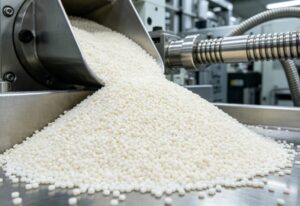
How Should Manufacturers Select PVC Granules for Different Injection Molding Requirements?
Selecting the right PVC Granules requires more than comparing material prices. The most suitable formulation depends on the product design, injection molding conditions, required performance, and expected service environment. A lower-cost material may create higher manufacturing expenses if it causes unstable processing, increased scrap rates, or frequent production adjustments.
Before choosing an injection molding grade, manufacturers should evaluate how the material will perform throughout the entire production process, from melting behavior and mold filling to final product performance.
Match PVC Granules Hardness and Mechanical Properties With Product Requirements
The required hardness and flexibility of PVC Granules depend largely on how the finished component will be used. A rigid electrical housing designed to maintain precise dimensions requires a different formulation from a flexible protective part that must withstand repeated bending.
When evaluating material suitability, manufacturers typically consider:
- Required hardness or flexibility level based on the product function
- Impact resistance needed for the operating environment
- Dimensional stability requirements during assembly
- Mechanical stress the final part will experience
For example, rigid injection molded components often prioritize stiffness and dimensional accuracy, while flexible applications may require better elasticity and impact performance. The goal is to achieve the right balance between mechanical properties and processing efficiency.
Evaluate Processing Conditions Before Selecting an Injection Molding Grade
A PVC formulation that performs well in one production environment may not deliver the same results under different molding conditions. Processing temperature, injection speed, mold design, and cycle time all influence how the material behaves during production.
Manufacturers should review factors such as:
- Processing temperature range and thermal stability
- Mold filling requirements for complex geometries
- Production speed and cycle time expectations
- Cooling behavior and dimensional consistency
PVC Granules designed for specific injection molding conditions can help manufacturers maintain more stable processing behavior and reduce the need for excessive machine adjustments.
This is particularly important for automated production lines, where consistent material performance directly affects productivity and quality control.
Select Additive Systems Based on End-Use Performance Needs
The additive system inside PVC Granules plays an important role in determining both processing performance and long-term product durability. Different applications may require different combinations of stabilizers, lubricants, processing aids, or modifiers.
Depending on the final application, manufacturers may need PVC Granules optimized for:
- Improved thermal stability during repeated processing
- Better UV resistance for outdoor environments
- Enhanced impact strength for demanding applications
For instance, outdoor molded parts may require stronger weather resistance, while decorative products may focus more on color consistency and surface quality.
The most effective material selection approach considers the complete product lifecycle, not just whether the material can pass through the injection molding machine.
What Makes PVC Granules Suitable for Injection Molding Production?
Successful injection molding depends on more than whether a material can be melted and shaped. The most suitable PVC Granules need to provide stable processing behavior, consistent product quality, and reliable performance throughout large-scale manufacturing.
For injection molding applications, material performance is mainly evaluated through filling behavior, surface quality, and long-term product reliability.
Why Flow Stability Is Important for Consistent Mold Filling
During injection molding, molten PVC must move through runners, gates, and mold cavities before cooling. If the material flow is unstable, manufacturers may experience incomplete filling, weld lines, uneven surfaces, or variations between production cycles.
PVC Granules developed for injection molding are typically formulated to achieve more predictable melt behavior, helping the material flow through complex mold designs more consistently.
This is particularly important for products with:
- Thin-wall sections that require fast and balanced filling
- Complex geometries with multiple flow paths
- Detailed surface features that require accurate replication
Stable flow performance allows manufacturers to maintain product consistency while reducing the need for frequent machine adjustments.
How Surface Quality Influences the Final Product Appearance
For visible plastic components, surface appearance is often directly connected to customer perception and product value. Even when a molded part meets dimensional requirements, surface defects can affect its market acceptance.
High-quality PVC Granules can help manufacturers achieve:
- More uniform surface finishes
- Stable color appearance across production batches
- Better reproduction of textures and design details
- Fewer visible defects after molding
This is especially relevant for decorative components, consumer products, and branded plastic parts where appearance is part of the product experience.
Why Mechanical Performance Determines Long-Term Product Reliability
The performance requirements of molded PVC products do not end after production. Finished parts may need to withstand impact, repeated use, environmental exposure, or mechanical stress during their service life.
Depending on the application, PVC Granules can be optimized to provide:
- Improved impact resistance for demanding applications
- Better durability for long-term use
- Stable physical properties under operating conditions
- Consistent performance between production batches
For manufacturers, selecting the right PVC formulation is not only about achieving successful molding cycles. It is about producing parts that continue to perform reliably after they leave the factory.
How Do Standard and Custom PVC Granules Compare for Injection Molding?
Standard materials can meet basic production needs, but customized solutions provide greater flexibility when manufacturers face demanding applications.
The difference becomes more noticeable when products require higher quality standards, complex designs, or consistent large-volume production.
| Comparison factor | Standard PVC Granules | Custom PVC Granules |
|---|---|---|
| Application range | Suitable for general products | Designed for specific manufacturing needs |
| Processing adjustment | May require more machine optimization | Developed for targeted molding conditions |
| Defect control | More dependent on processing adjustments | Material properties help improve stability |
| Product appearance | General performance | Can be optimized for color and surface requirements |
| Mechanical properties | Balanced standard characteristics | Tuned for strength, flexibility, or durability |
| Production efficiency | May involve more trial runs | Supports more predictable manufacturing |
The advantage of custom PVC Granules is not simply better material performance. It is the ability to create a closer match between the material and the manufacturing process.
When the material works naturally with the equipment and mold design, production becomes easier to control.
Why Is Choosing the Right PVC Granules Supplier Important?
Choosing a PVC Granules supplier is not only a purchasing decision. The supplier’s formulation capability, quality control system, and technical support can directly affect molding stability, product consistency, and long-term manufacturing efficiency.
A reliable supplier should be able to provide materials that match specific processing conditions rather than simply offering standard formulations for different applications.
Evaluate Whether the Supplier Can Provide Customized Material Solutions
Different injection molding applications require different material characteristics. A supplier with strong formulation experience can adjust PVC Granules based on product design, processing requirements, and expected performance.
When evaluating customization capability, manufacturers should consider whether the supplier can support:
- Material formulation adjustments for different hardness, flexibility, or durability requirements
- Color matching and appearance control for visible plastic components
- Performance optimization based on specific molding conditions
- Compliance requirements for different application environments
For example, a manufacturer producing outdoor molded components may require improved weather resistance, while electrical parts may need stronger insulation performance and dimensional stability.
A supplier that understands the relationship between formulation and end-use requirements can help manufacturers avoid trial-and-error material selection.
Check Quality Control Standards for Consistent PVC Granules Performance
Material consistency is critical in injection molding because even small variations between batches can affect processing stability and finished product quality.
Before selecting a supplier, manufacturers should pay attention to:
- Raw material selection and sourcing stability
- Compounding and extrusion control processes
- Batch testing procedures
- Packaging and storage management
Consistent quality control helps reduce unexpected processing adjustments, minimize production interruptions, and maintain stable output during large-volume manufacturing.
For companies producing thousands of identical parts, supplier reliability becomes an important factor in maintaining production efficiency.
Consider Technical Support Throughout Product Development
PVC Granules selection often involves more than purchasing a material grade. During product development, manufacturers may need support with material testing, molding trials, and process optimization.
An experienced supplier can assist with:
- Prototype evaluation before mass production
- Injection molding trial analysis
- Material performance adjustments
This type of technical cooperation can help shorten development timelines and reduce risks during production launch.
Conclusion
Custom PVC Granules can help manufacturers reduce injection molding defects by improving material consistency, processing stability, and product performance. By selecting a formulation designed for specific production requirements, companies can achieve better quality control, lower waste, and more efficient manufacturing.
Working with an experienced PVC Granules supplier allows manufacturers to develop materials that match their products and production goals. Contact a professional supplier to discuss your application requirements and find a suitable PVC solution.