
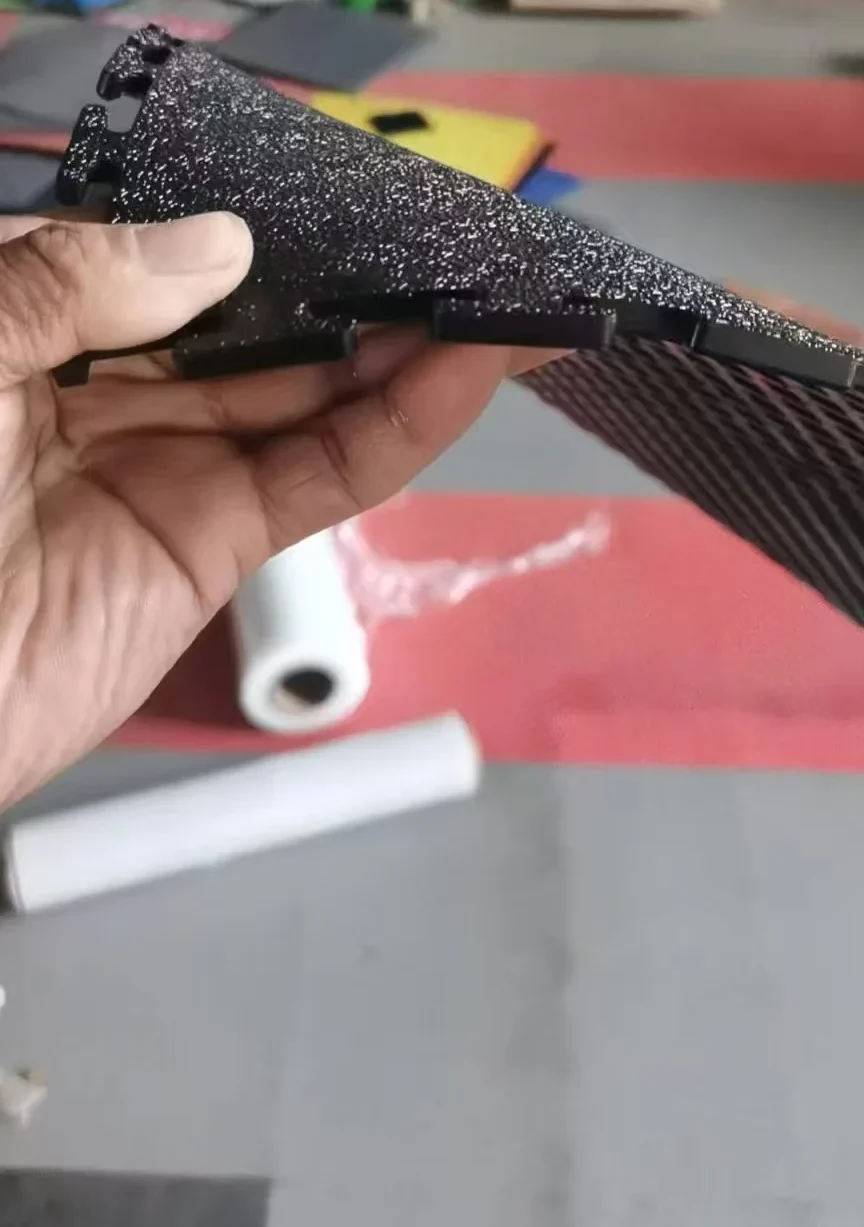
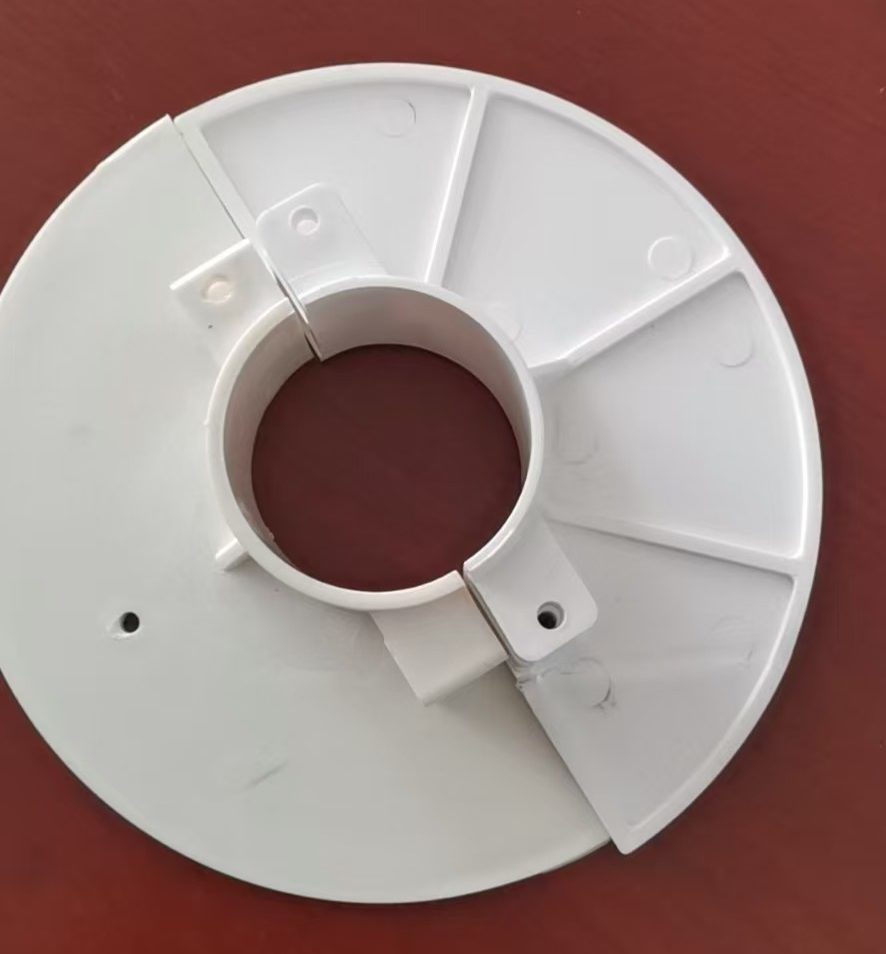
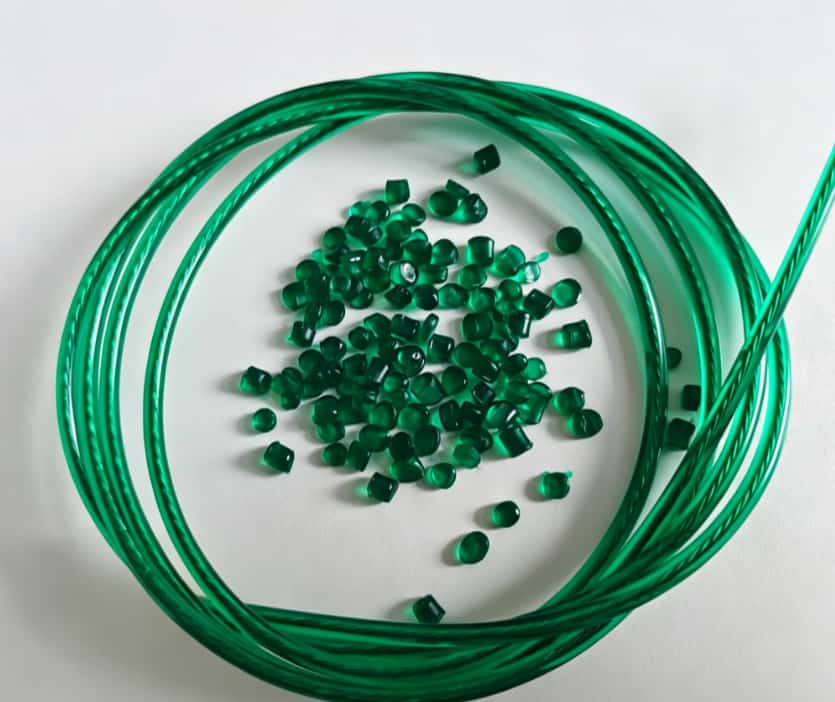
Preventing conduit cracking requires a suitable PVC Cable Compound, consistent extrusion conditions, and testing under application-relevant conditions. The formulation should balance impact resistance, elongation at break, stiffness, and thermal stability while maintaining reliable processability. Inadequate fusion, uneven cooling, excessive installation stress, and low-temperature exposure can also contribute to cracking. Manufacturers should assess material properties alongside extrusion parameters, conduit design, and service conditions to identify the root cause and improve production consistency. This integrated approach helps produce cable protection tubes that better withstand handling, installation, and service demands.
Why Do PVC Cable Conduits Crack?
PVC cable conduits can crack when mechanical stress exceeds the material’s ability to withstand deformation. Common causes include unsuitable compound formulation, extrusion defects, dimensional inconsistencies, installation damage, and harsh service conditions. Identifying the failure pattern helps manufacturers determine whether the problem originates from the material, production process, or application environment.
Insufficient Impact Resistance
Conduits may be dropped, struck, or subjected to concentrated loads during transportation, storage, and installation. The risk of fracture can increase at low temperatures, depending on the PVC formulation.
The impact resistance of a PVC Cable Compound depends on resin characteristics, additive compatibility, formulation balance, and processing quality.
Manufacturers should evaluate impact performance at temperatures relevant to the intended application. Wall thickness, sharp transitions, and other structural features should also be checked because they can concentrate stress and increase the risk of cracking.
Inadequate Elongation and Excessive Brittleness
Tensile strength measures the stress a material withstands during a tensile test, while elongation at break indicates how much it stretches before fracturing. A conduit may have adequate tensile strength but still crack if its ability to deform is insufficient for the intended application.
The required balance depends on the product: rigid electrical conduit needs sufficient stiffness and dimensional stability, while flexible cable protection tubing must meet its specified bending requirements.
Manufacturers should assess elongation at break alongside impact resistance and other relevant mechanical properties rather than relying on hardness or tensile strength alone.
Poor Fusion or Thermal Degradation
PVC extrusion requires suitable heat and shear to produce a uniform material structure. Insufficient fusion can create weak regions, while excessive thermal exposure or prolonged residence time may degrade the material and impair its mechanical performance.
When investigating cracks, manufacturers should review barrel and die temperatures, screw configuration, throughput, and residence time. Discoloration, deposits, unstable melt flow, or inconsistent surface appearance may indicate processing issues, but these signs should be verified through production records and testing.
Residual Stress and Uneven Cooling
Uneven cooling, excessive haul-off tension, and fluctuations in extrusion line speed can cause dimensional variation and residual stress in finished conduits. Cracks may appear later when the pipe is cut, bent, or installed, making the original cause difficult to identify.
Before changing the compound formulation, manufacturers should check wall thickness, ovality, cooling uniformity, line speed, and haul-off tension.
Low-Temperature Exposure and Environmental Stress Cracking
Low temperatures can reduce impact resistance in some PVC formulations, increasing the risk of brittle fracture during handling and installation. Certain oils, solvents, and cleaning agents may also be incompatible with PVC. When chemical exposure occurs alongside mechanical stress, environmental stress cracking may develop.
For outdoor and underground applications, manufacturers should consider temperature extremes, installation loads, and potential chemical exposure. The selected PVC Cable Compound should be tested against relevant service conditions and product requirements rather than judged by general material descriptions alone.
How to Select a PVC Cable Compound for Crack Resistance
Selecting a suitable PVC Cable Compound starts with defining the finished conduit’s mechanical, dimensional, and processing requirements. The goal is to balance crack resistance with stiffness, processability, and performance under expected service conditions.
Evaluate the Required Mechanical Properties
Identify the mechanical demands of the conduit before comparing compound grades. Key properties include tensile strength, elongation at break, impact resistance, stiffness, dimensional stability, and thermal stability.
| Propiedad | Por qué es importante | What to Evaluate |
|---|---|---|
| Tensile strength | Measures resistance to tensile loading | Compliance with the product specification |
| Elongation at break | Indicates deformation before tensile failure | Ability to accommodate expected strain |
| Impact resistance | Reflects response to sudden loading | Performance at relevant test temperatures |
| Flexural stiffness | Influences rigidity and structural support | Suitability for the conduit design |
| Dimensional stability | Helps maintain consistent geometry | Shrinkage, ovality, and dimensional variation |
| Thermal stability | Supports material integrity during processing | Processing window and signs of degradation |
Greater stiffness does not necessarily mean better crack resistance, while high elongation alone does not guarantee adequate impact performance.
Test methods, specimen preparation, and conditioning can affect results. When comparing suppliers, use consistent test conditions and acceptance criteria wherever possible. Also distinguish guaranteed specifications from typical values, and confirm which properties have been tested rather than relying on datasheet figures without supporting information.
Consider Resin, Plasticizers, Stabilizers, and Fillers
Their selection and compatibility should match the intended conduit application.
In flexible or semi-flexible formulations, plasticizers can affect flexibility, low-temperature performance, migration resistance, and long-term mechanical properties. Stabilizers help limit thermal degradation during processing, while lubricants and processing aids influence fusion, melt flow, and surface quality.
Fillers can affect cost, stiffness, density, and mechanical performance. Their impact on toughness depends on factors such as loading level, particle characteristics, dispersion, and the overall formulation.
Rather than evaluating ingredients in isolation, manufacturers should assess the complete PVC Cable Compound. A grade developed for cable insulation, injection molding, or another PVC application should not be assumed to perform well in conduit extrusion without application-specific validation.
Match the Formulation to the Conduit Application
Compound requirements vary with conduit structure, installation method, and service environment.
- Rigid electrical conduit: Evaluate stiffness, dimensional stability, impact resistance, and joint performance.
- Flexible corrugated conduit: Focus on bending behavior, deformation tolerance, and crack resistance during installation.
- Underground cable duct: Consider installation loads, soil-related pressure, temperature variation, moisture exposure, and applicable mechanical requirements.
- Industrial cable protection tube: Assess vibration, equipment movement, impact exposure, operating temperature, and possible contact with oils or process chemicals.
For example, a rigid conduit may prioritize structural support and dimensional stability, whereas a flexible tube may need greater deformation capacity. Define the required performance range before selecting a grade instead of relying on broad claims of suitability across all cable protection products.
Verify Processing Compatibility Before Production
Before approving a grade, check its processing window, feeding consistency, fusion behavior, die flow, cooling requirements, and ability to maintain stable dimensions at the target production rate.
A controlled production trial helps verify performance under actual manufacturing conditions. Record the processing parameters, inspect the extruded conduit, and test samples against the same acceptance criteria used for the existing formulation. This provides a more reliable basis for approval than datasheet review alone.
How to Optimize PVC Extrusion to Prevent Cracking
Even a suitable PVC Cable Compound can produce cracked or inconsistent conduits if extrusion conditions are unstable. The compound’s processing characteristics must match the extrusion line to maintain material fusion, dimensional accuracy, and finished-pipe quality.
Maintain a Suitable Temperature Profile
Extrusion of PVC cable compound requires sufficient heat for proper fusion without excessive thermal exposure. The appropriate temperature profile depends on the formulation, screw design, output rate, and residence time.
Temperatures that are too low may result in inadequate fusion, while excessive heat or prolonged residence time can cause thermal degradation.
Manufacturers should:
- Verify that temperature sensors and controllers operate correctly.
- Review temperature settings across the barrel and die.
- Monitor melt behavior, extrusion stability, and surface quality.
- Investigate discoloration, burning odors, or deposits as possible signs of degradation.
- Record controlled adjustments and evaluate their effects on conduit quality.
Temperature settings alone do not reflect the melt’s full thermal history. Screw speed, shear heating, throughput, and equipment stoppages should also be considered when optimizing PVC Cable Compound processing conditions.
Control Screw Speed, Output, and Haul-Off Tension
Stable conduit production depends on coordinating screw output with haul-off speed. Excessive pulling tension can stretch the pipe or contribute to residual stress, while unstable output may cause uneven wall thickness and surface defects.
When cracking occurs intermittently, compare production records from acceptable and defective batches. Review screw speed, output rate, pressure fluctuations, haul-off settings, and dimensional measurements to identify possible process variations.
When introducing a new PVC Cable Compound, confirm that its flow and processing behavior remain stable at the intended production rate.
Improve Cooling Uniformity
Uneven cooling can distort the conduit and contribute to residual stress as the material changes temperature. The risk may increase when production speed, wall thickness, or pipe geometry changes.
Check cooling water flow, temperature control, and cooling consistency across the extruded profile. Ensure that the conduit remains adequately supported and is not forced into an unsuitable shape while still warm.
After extrusion, allow the product to reach the specified inspection condition before evaluating dimensions and mechanical properties.
Monitor Wall Thickness and Die Alignment
Uneven wall thickness can create localized weak areas that are more vulnerable to impact and bending. Possible causes include die misalignment, inconsistent melt flow, equipment wear, and unstable extrusion conditions.
Measure wall thickness at multiple positions around the circumference and along the pipe. Use the results to determine whether variation is systematic or intermittent, then inspect die alignment, material flow, and haul-off settings as needed.
For corrugated conduits, check the consistency of the corrugation profile, particularly around ridges and valleys.
How to Test PVC Conduits for Crack Resistance
Testing a PVC Cable Compound for crack resistance requires evaluating both material properties and finished-conduit performance. The test program should reflect the product specification, intended installation conditions, and relevant failure risks, since no single test covers every cracking mechanism.
Conduct Impact Testing at Relevant Temperatures
Impact testing evaluates how a conduit responds to sudden loading. For products intended for cold-weather installation, room-temperature results alone may not adequately represent performance in service.
Select a test method appropriate for the conduit category and applicable specification. Keep sample dimensions, conditioning, impact conditions, and acceptance criteria consistent.
Record the location and appearance of each fracture. Localized failure near a visible defect may suggest a different cause from brittle cracking across multiple samples.
This helps distinguish potential formulation issues from manufacturing defects or design limitations.
Verify Tensile Strength and Elongation
Tensile strength and elongation at break help assess the compound’s strength and deformation behavior. Unexpected changes in these properties may indicate formulation variation, processing damage, or inconsistent sample conditioning.
Use consistent test methods and compare results with the compound specification and relevant finished-product requirements. Values obtained using different methods or specimen conditions should not be treated as directly interchangeable.
A PVC Cable Compound may meet the specified tensile-strength requirement and still show inadequate impact performance, particularly under different temperature conditions.
Inspect Finished Pipes Under Representative Conditions
Inspect the conduit’s outer surface, accessible inner wall, cut ends, joints, bends, and other areas exposed to mechanical stress. Look for:
- Fine cracks or surface crazing.
- Brittle fractures around cut edges.
- Whitening or stress marks after bending.
- Localized deformation or thin wall sections.
- Surface irregularities associated with extrusion instability.
- Cracks near fittings, connectors, or installation points.
Visual inspection helps identify defect patterns but cannot establish crack resistance on its own. Use defined acceptance criteria and investigate recurring defects with appropriate measurements and mechanical tests.
Evaluate Environmental and Installation Effects
If conduits pass factory inspection but crack during installation or service, investigate the conditions associated with failure. Depending on the application, these may include low-temperature handling, bending, impact, sustained loading, or contact with specific chemicals.
For underground cable ducts, consider burial conditions and installation methods. For flexible industrial conduits, evaluate repeated bending or movement when these occur during normal use.
Testing should follow the applicable product specification and recognized methods for the relevant conduit category. Confirm that the selected PVC Cable Compound and finished conduit meet the requirements applicable to the intended use.
Troubleshooting Common PVC Conduit Cracking Problems
The location, timing, and appearance of a crack can help narrow the investigation. Use the following guide to identify possible causes and determine the next steps, rather than treating any symptom as a definitive diagnosis.
| Observed Problem | Possible Causes | Recommended Investigation |
|---|---|---|
| Cracks during cold-weather installation | Reduced low-temperature impact performance, excessive bending, or installation damage | Review compound suitability and test conditioned samples |
| Brittle fracture after impact | Insufficient toughness, formulation variation, or degradation | Compare impact results, elongation, and processing records |
| Cracks near cut ends | Cutting damage, sharp edges, or localized stress | Inspect cutting tools and edge preparation |
| Cracking near connectors | Fit mismatch, concentrated stress, or installation misalignment | Check tolerances, assembly procedures, and joint design |
| Intermittent cracks during production | Unstable fusion, output fluctuations, or equipment issues | Review temperature, pressure, feed consistency, and line speed |
| Cracks appearing after storage | Environmental exposure, residual stress, or material aging | Check storage conditions and compare retained samples |
| Cracks in buried conduits | External loading, installation damage, unsuitable pipe design, or ground movement | Review burial conditions and product requirements |
Start by determining whether the failure is limited to one material batch, extrusion line, pipe size, or installation site.
Where possible, retain samples from defective and acceptable batches and compare them under consistent test conditions. Review material records, dimensional measurements, and relevant mechanical test results before deciding whether the PVC Cable Compound or the manufacturing process requires adjustment.
Avoid replacing the compound without evidence that it caused the failure.
How to Establish Consistent Quality Control
Consistent conduit quality depends on controlling material acceptance, extrusion conditions, inspection, and corrective action. Documented procedures help manufacturers identify variation and trace defects before they affect additional production batches.
Establish Incoming Material Requirements
Purchasing specifications should define the intended application, approved compound grade, required mechanical properties, processing expectations, and applicable product or regulatory requirements.
For each delivery, verify material identification and batch traceability. Review supplier documentation and perform incoming tests according to the quality plan and the risks associated with the application.
When a supplier changes the formulation, production process, or material source, determine whether requalification is necessary.
Before approving a PVC Cable Compound supplier, establish measurable acceptance criteria and agree on the required documentation. This gives purchasing, quality assurance, and extrusion teams a consistent basis for material approval.
Standardize Extrusion Parameters
Define an approved processing window for each compound and conduit design. Document critical settings, inspection frequency, start-up procedures, and the response required when parameters fall outside established limits.
Operators should record significant events, including equipment stoppages, temperature deviations, material changes, and line-speed adjustments. These records can help explain defects discovered during later inspection or after products reach the customer.
Maintain traceability between material batches, production runs, and inspection results. This allows manufacturers to identify whether recurring cracks are associated with a particular compound lot, operating condition, or equipment issue.
Use Traceability and Corrective Action
When a crack is reported, trace the affected conduit to its material lot, production run, equipment, and inspection records. Determine whether the failure is isolated or affects a wider range of products.
Corrective action should address the verified cause. Depending on the findings, this may involve adjusting the PVC Cable Compound formulation, optimizing extrusion conditions, tightening dimensional controls, improving handling, or revising the product design.
After implementing a correction, repeat the relevant tests and monitor subsequent production. Confirm effectiveness through results that meet established acceptance criteria, and document the outcome to support future troubleshooting and process improvement.
What Should Buyers Ask a PVC Compound Supplier?
Cable conduit manufacturers should evaluate suppliers based on documented material suitability, consistent quality, and compatibility with the intended extrusion process rather than general claims of strength or durability.
Before approving a PVC Cable Compound supplier, ask:
- Is the grade specifically formulated for cable conduit or protective tube extrusion?
- Which mechanical properties are specified, and which test methods are used?
- Is impact performance verified at temperatures relevant to the intended application?
- What processing conditions should be considered during extrusion trials?
- How are batch consistency, product identification, and material traceability maintained?
- Can the supplier provide current technical specifications and supporting test data?
- How are formulation, raw material, or production process changes communicated and controlled?
Request documentation for the specific commercial grade under consideration. Generic PVC property data may not reflect the performance of a particular PVC Cable Compound, and typical values should not be treated as guaranteed specifications without confirmation.
For manufacturers sourcing PVC granules for cable protection tubes, these checks help determine whether the compound meets application requirements and can be processed consistently. Evaluating technical documentation, trial results, and batch-control procedures provides a more reliable basis for supplier approval and long-term quality management.
Conclusión
Preventing conduit cracking requires a balanced PVC Cable Compound, stable extrusion conditions, and quality testing under relevant service conditions. Impact resistance, elongation, stiffness, thermal stability, and dimensional consistency all contribute to finished-pipe performance. Material selection should therefore account for the conduit design, production process, and intended application rather than relying on a single mechanical property.
Choosing the right PVC Cable Compound is an important step toward consistent cable protection tube quality, but reliable results also depend on process control and traceable inspection. Dingshengtong offers PVC granules for cable protection tube applications. Explore its product information to assess material suitability for your extrusion process, performance specifications, and manufacturing requirements.